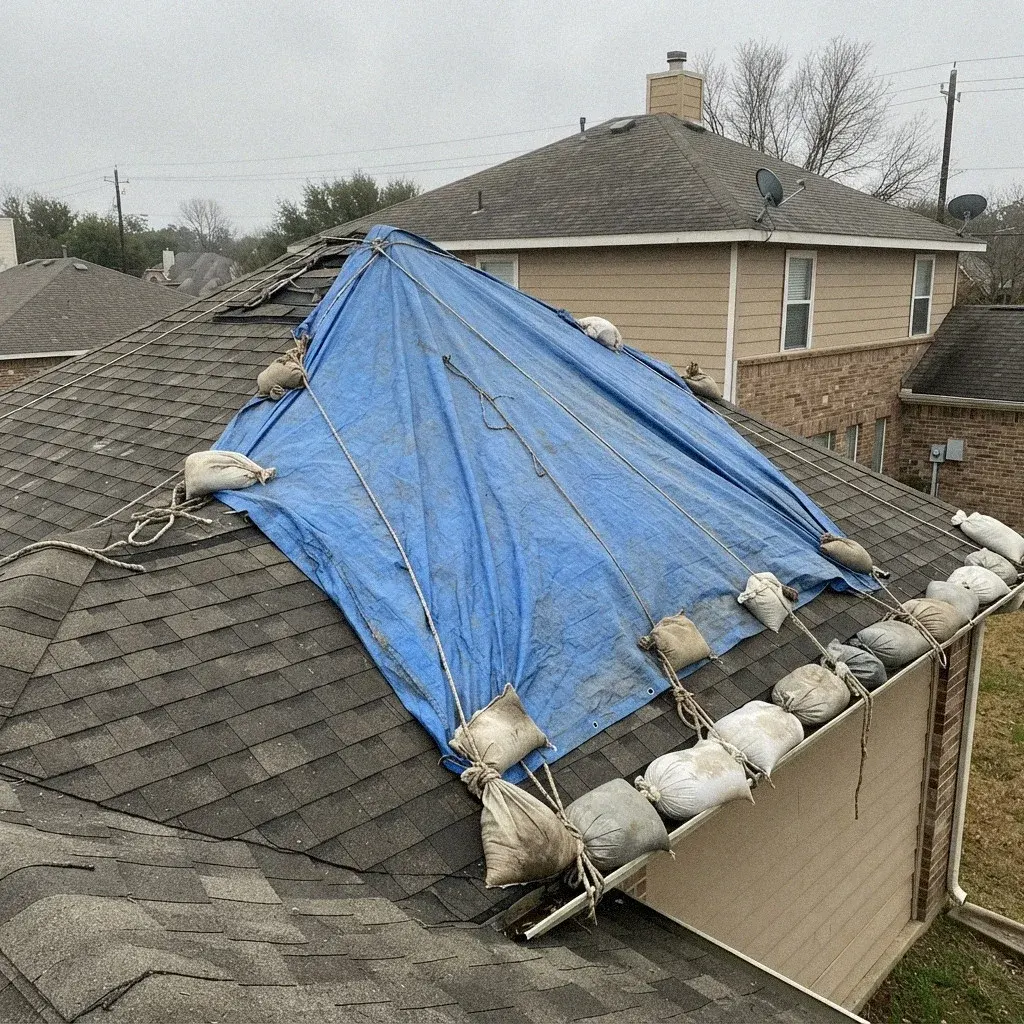
Emergency Roof Tarping
An open roof covered and anchored today, before the next rain finds it.
Learn about Emergency Roof TarpingHilly early-1900s streets by Lake Harriet, filled in before the grid straightened out further south.
Linden Hills filled in later than most Southwest Minneapolis neighborhoods, mostly between the 1900s and 1930s, on a hilly grid that breaks from the straighter arterial pattern nearby. It sits inside city limits, not a separate plat carved out by county authority, with the streets around Lake Harriet setting the frontage lines for most lots.
Freeze-thaw cycles, heavy snow load, and summer hail each stress a roof in a different way across the year.
Roofs near Lake Harriet and Minnehaha Creek carry a heavier debris load, because the trees that like being near water are the ones that drop the most. Valleys pack first, then the gutters, and water backs up under the shingles from there.
Mature tree canopy over the hilly blocks near Lake Harriet keeps roofs shaded longer after storms, slowing runoff drying and adding to the snow load these older roof lines already carry each winter. Snow load isn't just a winter inconvenience — it's sustained weight sitting on a structure for months at a time. Older roofs already carrying wear from prior seasons are the ones where that steady load turns a small issue into a sagging one.
Treat these as a guide rather than a quote. What moves the figure is the category of water, the size of the property, and how long it has been sitting.
| Service | Estimated cost |
|---|---|
| Emergency Roof Tarping | an estimated $350–$1400 |
| Flashing & Chimney Repair | an estimated $350–$1900 |
| Flat & Low-Slope Roofing | an estimated $9000–$26000 |
Fulton's bungalows and Cape Cod houses match Linden Hills in build era, so a pro working one street already knows the basement framing and roof pitches next door.
Tangletown's curving, non-grid streets sit just past Linden Hills near the same creek and lake corridor, with Craftsman bungalows carrying similar rooflines and full basements below.
Lake Harriet's shoreline parkway borders Linden Hills directly, and the tree cover along its banks shades the closest roofs longer than blocks set back from the water.
An open roof covered and anchored today, before the next rain finds it.
Learn about Emergency Roof Tarping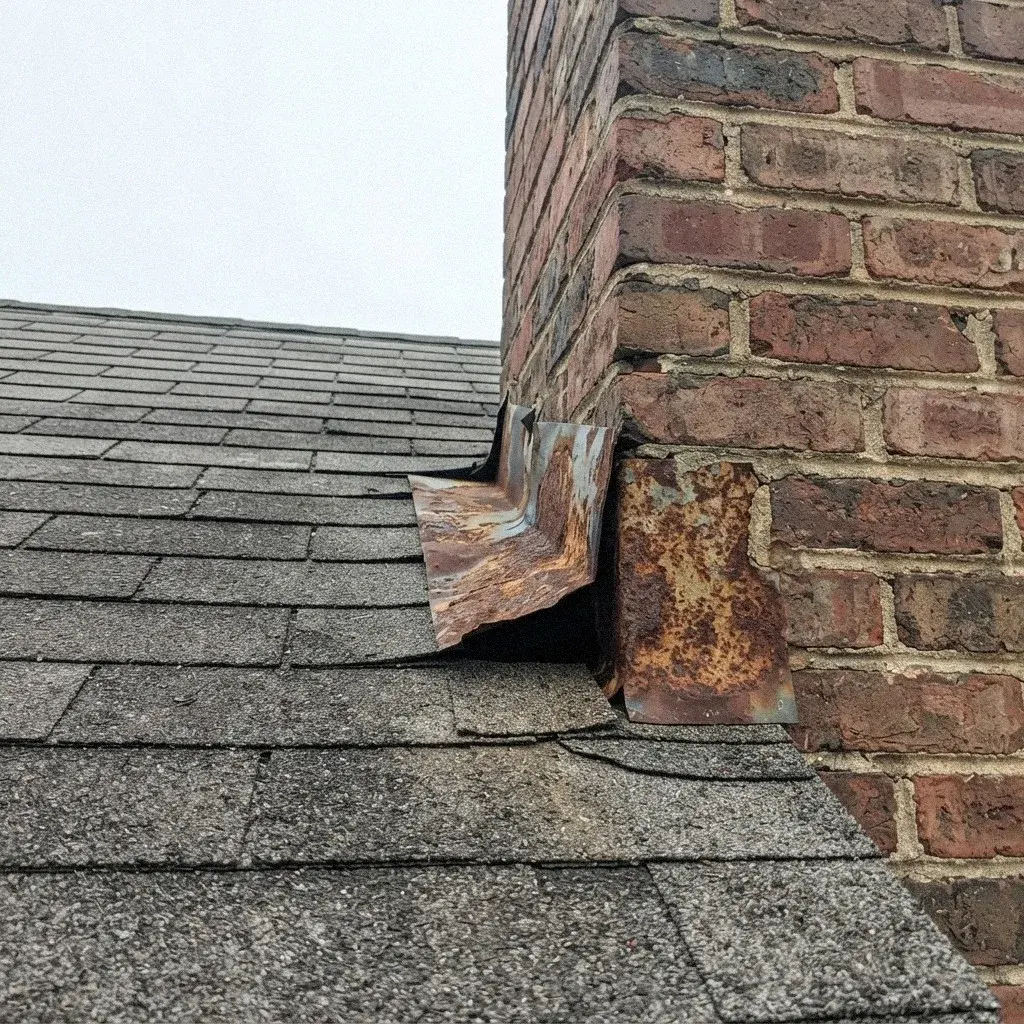
Repairing the metal seals at your chimney, valleys, and walls.
Learn about Flashing & Chimney Repair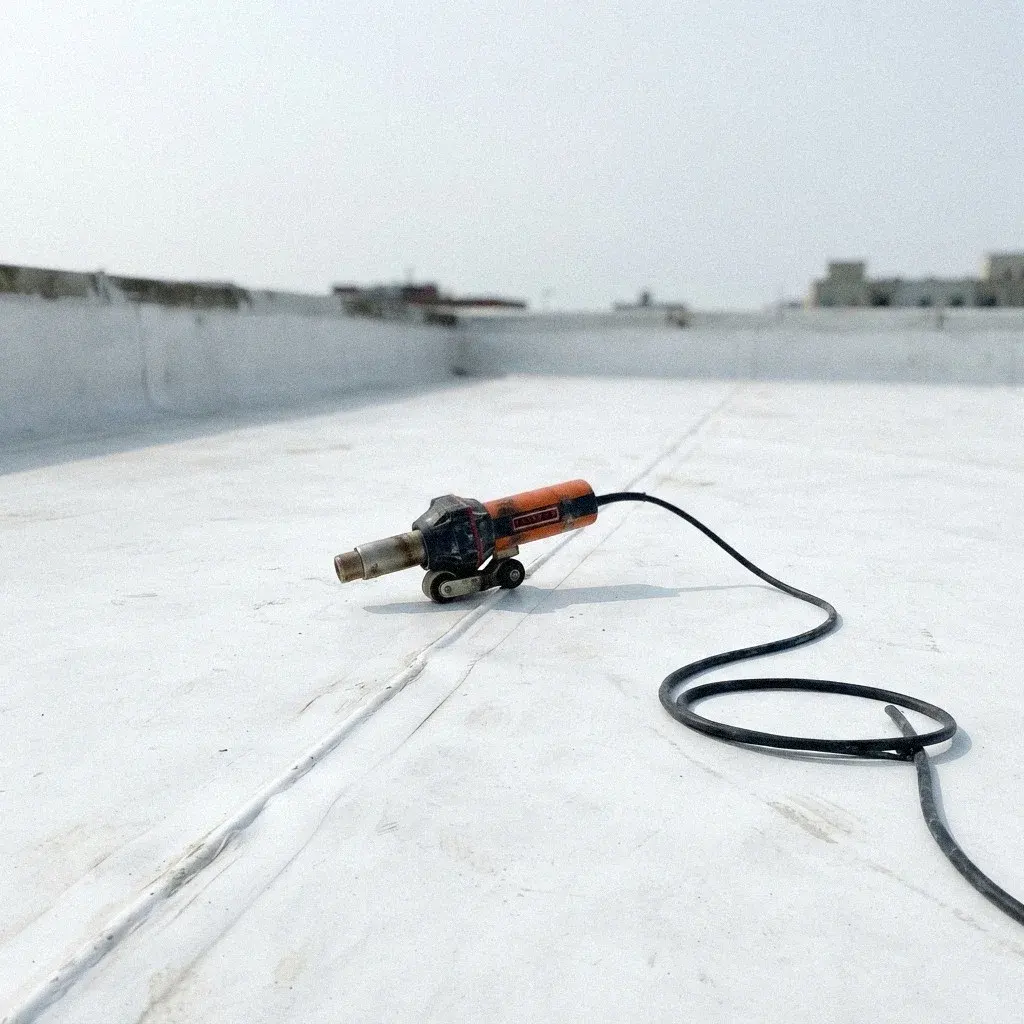
Low-slope membrane roofing built to drain through a Minnesota winter.
Learn about Flat & Low-Slope Roofing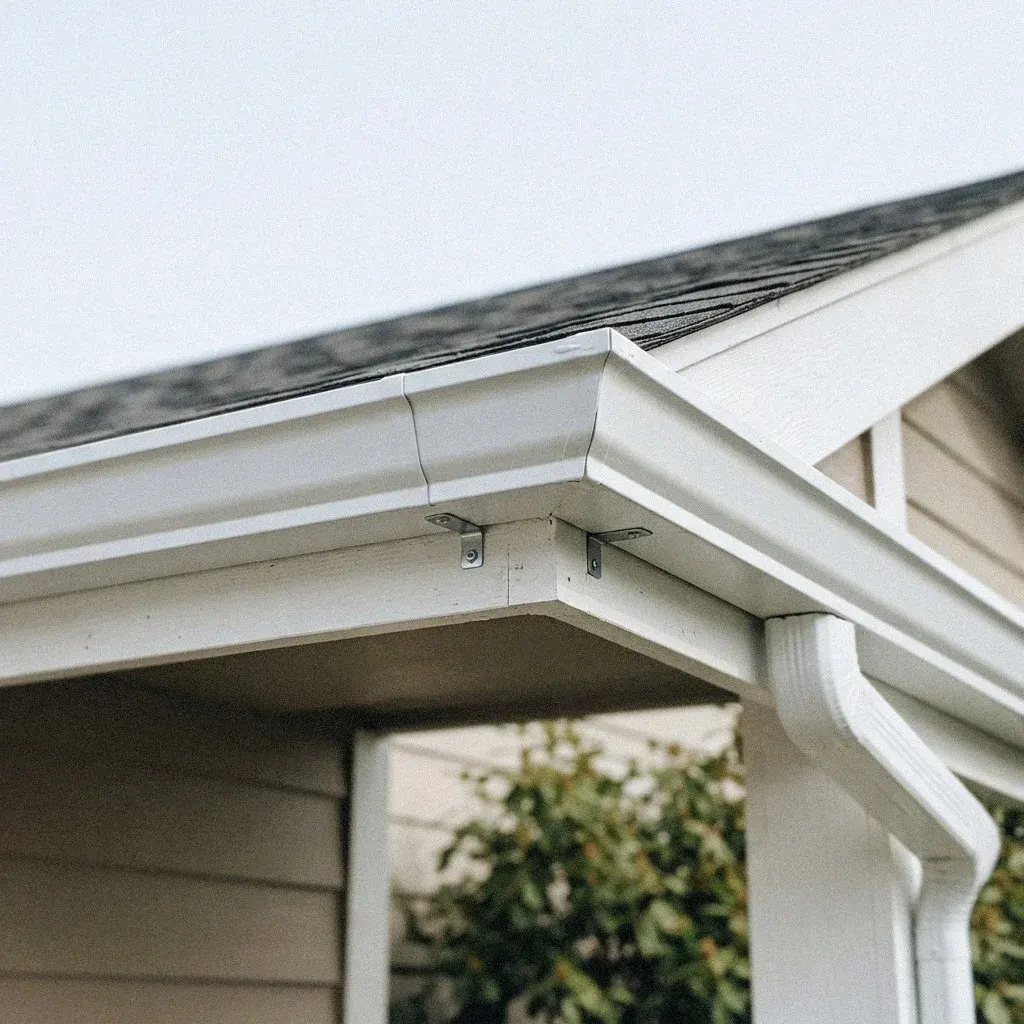
Straight talk on whether your gutters need fixing or full replacement.
Learn about Gutter Repair & ReplacementDowntown West · Downtown East · Loring Park · Fulton · Kingfield · Longfellow · Edina · Bloomington
No. Linden Hills is a neighborhood of Minneapolis rather than a separate city, so it has no permit desk of its own and roofing work here is filed with Minneapolis like anywhere else inside the city limits. That is worth knowing if you are comparing quotes with somebody in Edina or St. Louis Park, because those are separate cities with their own counters, and a contractor who works across the line deals with more than one process.
Tudor Revival, Colonial Revival, and Craftsman bungalows dominate, built mostly from the 1900s through the 1930s on a hilly street grid near Lake Harriet. Most carry asphalt shingle roofs today, and many retain original woodwork and architectural detail that can make matching trim and flashing work more involved than on a newer rebuild.
Yes. Mature trees over these hilly streets shade roofs longer after rain or snow, slowing drying and letting leaf litter collect in valleys and gutters. Combined with a Minnesota winter's snow load, that trapped moisture is a common contributor to ice dam problems on these older roof lines near the lake.
Age is the main driver. Homes here went up mostly between the 1900s and 1930s, putting original or early-replacement roofing well past its service life. Add heavy tree canopy trapping moisture and Minnesota's winter snow load on older framing, and ice dams or worn flashing around valleys turn up more often than in newer Southwest Minneapolis construction.
Yes, and the licensed pros we connect you with cover it. Two things about Linden Hills are worth mentioning when you call. The tree canopy around Lake Harriet drops a serious debris load into valleys and gutters, so a roof here often needs clearing as well as repair. And the older streets are alley-loaded with narrow frontage, which decides where a dumpster can sit and how material gets up. Both are easier settled before the day than on it.
Often within a few hours for anything urgent. Linden Hills is a short drive from Minneapolis, and the licensed pros we connect you with arrive equipped to fix rather than just look, so the first visit usually settles it. Overnight and weekend availability is there for the situations that cannot wait until morning.
Minneapolis roofs answer to the same winter, but not identically. A foursquare in Tangletown with tight attic ventilation ice-dams differently than a bungalow near Lake Nokomis with more roof exposed to open sky. Homes close to the Mississippi River gorge catch different wind than ones tucked into Fulton or Kingfield. Hail from a summer thunderstorm hits every neighborhood the same day, but the roof underneath it, its age, its pitch, its attic insulation, is never quite the same house to house.
Call (612) 493-0152