Now taking calls — fast callback for urgent roof damage · (612) 493-0152
attic ventilation and insulation upgrades in Minneapolis, MN
Minneapolis, MN

Fix the Attic That Keeps Feeding Ice Dams in Minneapolis, MN

Attic work that stops the ice dam cycle for good, from the inside

Whether you're in Loring Park, Linden Hills, Fulton, or elsewhere around Minneapolis, attic ventilation and insulation upgrades is arranged around the conditions on the ground in and around Minneapolis, so the plan fits the building rather than a template.

This is most often a home job — residential roofing sets out what that involves, or see commercial roofing if the property is a business or a rental.

Warning Signs

Signs You May Need attic ventilation and insulation upgrades

Warm Roof, Cold Eaves

If icicles form the same way along your eaves every winter, the attic above that stretch is leaking heat. Snow melts near the ridge, refreezes at the colder overhang, and builds a dam that backs water under the shingles. It happens on bungalows near Longfellow and Kingfield alike, on any roof where warm air escapes into the attic faster than the vents can clear it. The pattern repeats until the attic itself is corrected.

Thin or Uneven Attic Insulation

Touch the ceiling below the attic on a cold night and check for a spot that feels colder or warmer than the rest. Warm spots mean heat is escaping into the attic from below, usually around a light fixture, an attic hatch, or a wall top plate. Cold spots can mean insulation has settled or shifted. Either way, the attic floor is not doing its job evenly, and the roof above will show it first at the eaves.

Blocked or Missing Soffit Intake

A bathroom fan or kitchen exhaust that just dumps into the attic instead of running to a roof or wall cap is common in older Minneapolis houses that got fans added after the fact. It sounds harmless, but it pushes warm, moist household air straight into the attic all winter. That moisture settles into the insulation and framing, and it adds to the same heat load that drives ice damming at the roof edge.

How It Works

Our attic ventilation and insulation upgrades Process

Attic Inspection for Minneapolis Homes

The attic gets checked for air leaks at penetrations, top plates, and the attic hatch, along with current insulation depth and the condition of soffit intake and any existing roof vents.

Air Sealing Before Insulation, Minneapolis

Gaps and penetrations between the living space and the attic get sealed first, since air leaks are what drive heat loss into the attic before insulation is ever added.

Soffit Intake and Insulation Depth Work

Soffit intake gets cleared or opened and baffles are set at the eave, then insulation is added or built up to the target depth across the attic floor.

Ridge Exhaust and Fan Rerouting Fix

Exhaust at the ridge or elsewhere gets corrected to balance with intake, and any bath or kitchen fan venting into the attic gets rerouted to an exterior termination.

Why this matters

Bungalows and foursquares built before modern insulation standards were common leak heat into the attic all winter. Under Minneapolis snow loads, that heat drives the melt-refreeze cycle that forms ice dams. Correcting air sealing, insulation depth, and intake-to-exhaust balance addresses the cause instead of the yearly symptom.

Licensing & Local Standards

Code-Compliant attic ventilation and insulation upgrades in Minnesota

Sealing and Insulation Standards Here

Minneapolis sits under a winter cold load that older housing stock, especially the bungalows and foursquares common in neighborhoods like Tangletown and Fulton, was not insulated for by today's standard. These houses were framed before attic insulation depth or balanced ventilation was part of routine construction, so the attic is often the single biggest gap in an otherwise sound roof system. Bringing it up to a working standard is a retrofit, not a fix to something that was broken.

Snow Load Makes Ventilation Non-Negotiable

Snowfall here averages around 51 inches a year, and that snow sits on a roof for weeks at a stretch instead of melting off quickly. A poorly vented attic under that kind of snow load turns the whole roof deck into a slow-motion ice problem every winter. Getting intake and exhaust venting balanced, and insulation up to depth, is what keeps that snow load from turning into a repeat leak.

Pricing

attic ventilation and insulation upgrades Prices in Minneapolis, MN

These are the figures quoted most often for attic ventilation and insulation upgrades. The size of the roof, its pitch, and how easy it is to get a ladder to move the number.

What attic ventilation and insulation upgrades typically runs locally
DLI LicenseInsurance ProofPayment Terms
Paying the roofing contractor in full doesn't automatically clear a homeowner if a supplier who delivered shingles to the property, whether in Kingfield or Tangletown, never got paid. A supplier or subcontractor left unpaid can still file a lien against the house. Flashing resealed around chimney and vents, shingles left alone an estimated $315–$2470
A lien waiver from the contractor, and from any supplier who delivered material to the address, is the document that closes that risk. Ask for them at final payment rather than a month afterwards, when the crew has moved on to the next job and the paperwork is somebody else's problem. Tear-off plus soffit vents added, no insulation added above attic an estimated $450–$3380
Minneapolis requires a permit for roofing work, and it is normally pulled in the contractor's name and closed out with an inspection. That record stays attached to the property rather than to whoever lived there, so an open permit has a habit of surfacing years later during a sale. Full tear-off, deck replaced where rotted, ice barrier along all eaves an estimated $585–$4680
The paperwork behind a Minneapolis reroof, lien releases, permits where they apply, warranty terms in writing, isn't the interesting part of the job. Skipping it is how a roof that looks finished from the street turns into a dispute months later. Foursquare-scale tear-off, permit filed with the city, haul-away included an estimated $810–$6760

A low bid usually means a shortcut, not savings. Skipping ice-and-water barrier, proper flashing, or full tear-off disposal costs the crew money, so a number well below everyone else's is a sign something got left out of the scope, not a sign of a better deal.

Questions & Answers

Frequently Asked Questions

Can this be done without replacing my roof?

Most of it, yes. Air sealing attic penetrations, adding insulation, clearing or opening soffit intake, and fitting baffles are all done from inside the attic and don't touch the shingles. A ridge vent is the one piece that's usually installed during a reroof, since it means cutting the roof deck along the ridge.

What is a baffle and why does my attic need one?

Baffles are rigid or channel-shaped pieces installed at the eave, right where the roof meets the soffit. They hold blown-in insulation back from the intake vents so cold outside air can still travel up under the roof deck. Without them, loose insulation drifts over the soffit and chokes off intake, which throws off the whole attic's airflow balance.

What does it mean if my attic isn't balanced?

It means intake at the eaves and exhaust near the ridge aren't moving similar amounts of air. Too much exhaust and too little intake pulls conditioned air up from the house instead of outside air in from the soffits, which defeats the point of venting and can make ice damming worse, not better.

Where should a bathroom exhaust fan actually terminate?

It should end outside, through a roof cap or a wall cap, not inside the attic. A duct that stops short and just opens into the attic space pushes warm, humid air into the insulation all winter. Rerouting it to a proper exterior termination is part of getting the attic's moisture and heat load under control.

How does this attic work actually stop ice dams?

Once insulation is brought up to depth and intake and exhaust are balanced, the attic stops running as warm relative to the outside air. Snow melting unevenly near the roof edge is what forms the dam in the first place, so a attic that holds a more even temperature across the whole roof plane sees far less of it.

Should insulation go in before ventilation gets fixed?

Adding insulation without fixing air sealing or ventilation first can trap moisture and make an existing problem worse. The order matters: seal the leaks, correct intake and exhaust, then bring insulation up to depth. Skipping steps is why some attics get insulated twice.

How much does attic ventilation and insulation upgrades cost in Minneapolis?

Most Minneapolis roof calls trace back to two things: age of the shingle and how the attic breathes. Bungalows and foursquares from the early 1900s often got thinner insulation than builders use now, so heat escapes upward and melts snow unevenly, which sets up ice damming along the eaves.

Related Reading

Guides on attic ventilation and insulation upgrades

A roof in Minneapolis rarely gives out from one storm. It gives out from a winter that packed snow into an ice dam, then a spring thaw that found the gap that dam opened. Each freeze cycle after that widens the same weak spot until a ceiling stain finally makes the case plain.

Where Minneapolis Roof Leaks Usually Start
Roof Problems

Common Roof Leak Entry Points in Minneapolis

A Minneapolis roof leak rarely comes from worn-out shingles. It comes from a specific joint, valley, or flashing detail. Here's a ranked look at where these leaks actually begin, from pipe boots to drip edge.

Read article
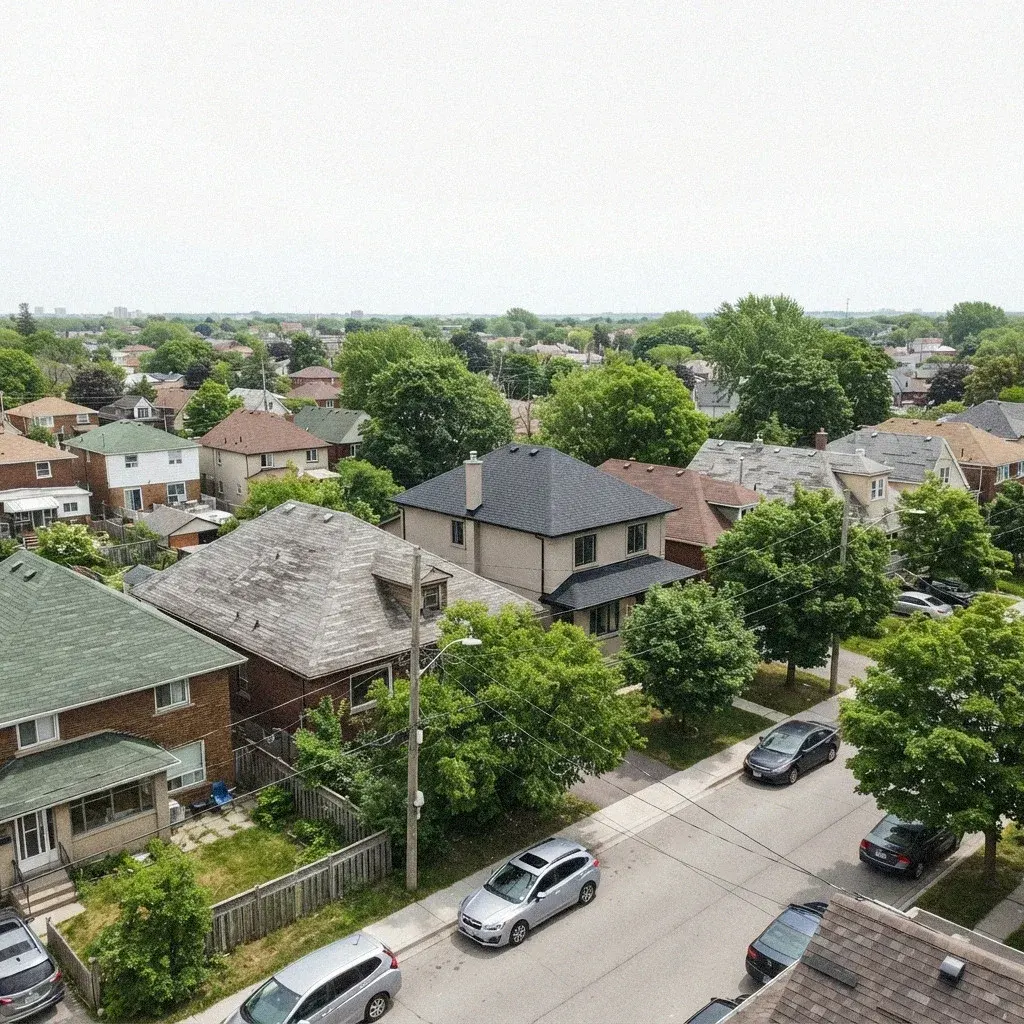
Ceiling Stain in Winter: Minneapolis Ice Dams
Roof Problems

A Ceiling Stain in January

A stain spreads across an upstairs ceiling with no rain in sight. Here's what's really happening above it, and what to do before anyone touches a ladder.

Read article
Checking Storm Damage After Hail | Minneapolis
Local & Seasonal

Checking Storm Damage Without a Ladder in Minneapolis, MN

After a Minneapolis hailstorm, most of the real damage is on the roof, not the ground. Here is what a homeowner can check from the yard, and why the camera matters more today than it will in a week.

Read article
Get Started Today

Take The Next Step

This page explains what the work generally involves, but no two Minneapolis roofs age the same. A bungalow near Linden Hills with decades of shingle layers behaves differently than a roof replaced after wind damage near Prospect Park. Attic ventilation, pitch, and how much ice dam trouble a house has seen all change what this service means for your address. The licensed pros we connect you with can tell you how it applies to your roof specifically.

Call (612) 493-0152
Free inspections & same-day service available
Call (612) 493-0152 Schedule Online