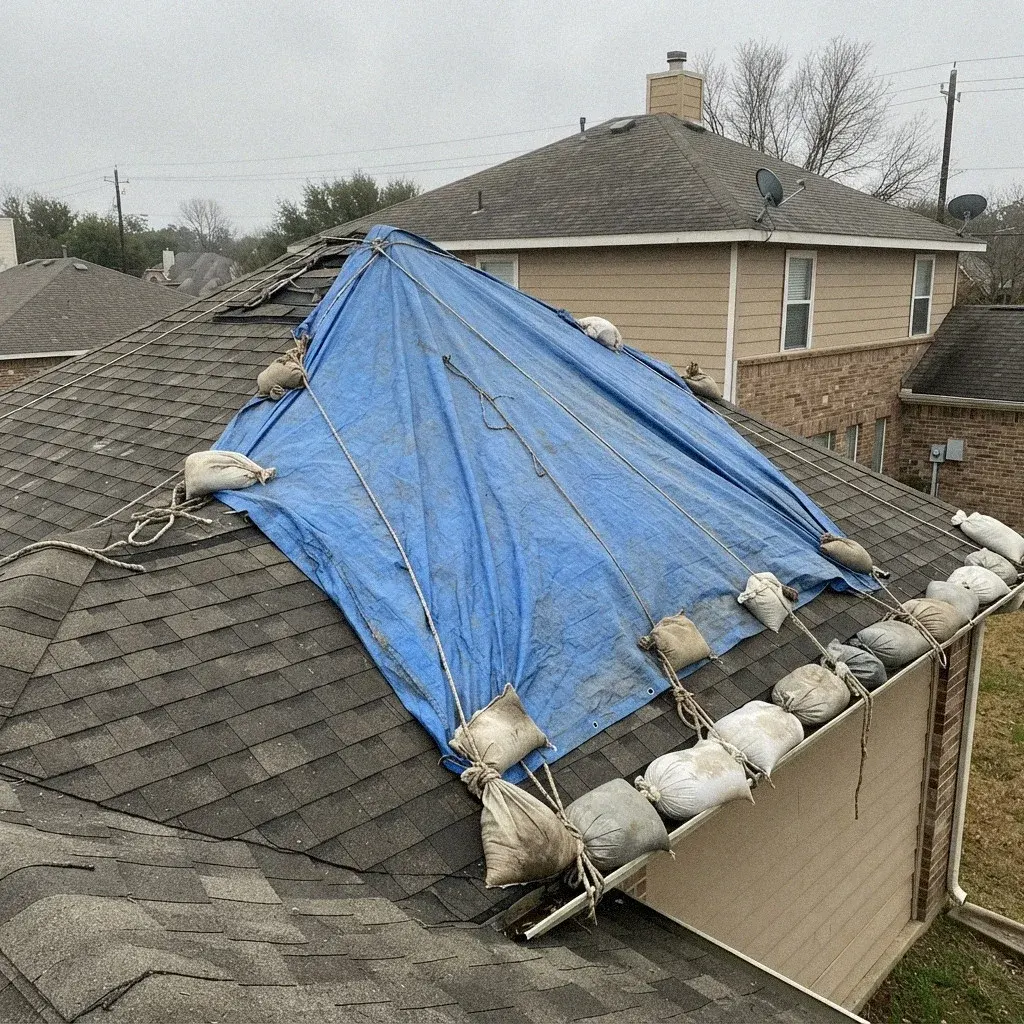
Emergency Roof Tarping
An open roof covered and anchored today, before the next rain finds it.
Learn about Emergency Roof Tarping
Asphalt shingle covers most rooflines from Kingfield to Longfellow, with slate or standing-seam turning up on older Tangletown and Seward homes. Bungalows near Lake Harriet and foursquares by Powderhorn Park age differently, but wind and hail off summer storms wear on all of them the same way.
Most Minneapolis roof calls start with a homeowner describing an ice dam leak in a Kingfield bungalow or a hail-dented layer near Longfellow. The licensed pros we connect you with then schedule a walk of the roof, checking flashing, valleys, and attic ventilation before anything gets torn off.
Call (612) 493-0152 or book online. We ask a few quick questions - where the water is showing, how old the roof is, whether anything is actively dripping - and connect you with the soonest visit that works for you.
One of the licensed pros we connect you with goes up on the roof, photographs what they find, and traces the leak back to where it is actually getting in rather than where the stain is. The plan and the estimated price are explained before any work starts.
Water travels along a rafter and shows up feet from where it got in, so a repair aimed at the stain looks successful for a season and then fails in the same place. The flashing, the boot or the lifted course that let it in is what gets replaced.
The work is not finished when the hole is covered. Decking is checked for soft spots, the surrounding courses are re-sealed, the debris is swept for nails, and you get the photographs of what was done underneath.
Next comes a written scope covering tear-off versus recover, shingle or standing-seam material, and any deck repair the inspection turned up. Jobs near Tangletown or Seward get scheduled around dry stretches, since Minnesota winters leave a narrow window for tear-off, dry-in, and finish work before snow returns.
Someone local picks up, works out how urgent it is, and schedules the soonest available visit, plus a few simple things to do in the meantime.
They arrive ready to work rather than only to look, with tarps, sealant and enough material to stop an active leak on the same visit where the weather allows it.
The licensed pros we connect you with trace the water back to the entry point, cover it properly, and tell you plainly whether it is a repair or the start of a replacement.
You get photographs of the work from the roof, not a verbal summary from the driveway - which is what stops a job being called finished while a course of flashing is still open.
A lifted shingle in Linden Hills or Kingfield looks minor until wind works under the tab. The next rain finds the underlayment through that gap.
A soft spot on a bungalow roof deck near Powderhorn Park rarely stays small. Snow melts unevenly above it, refreezes at the eaves, and the repeated freeze-thaw works the sheathing looser each week.
Reroofing in Minneapolis usually happens after the ice-dam season ends, once frost clears and crews near Uptown or Seward can work a dry deck safely. Summer hail from a thunderstorm can also force sudden repairs, so timing here follows weather more than a fixed calendar.
An open roof covered and anchored today, before the next rain finds it.
Learn about Emergency Roof Tarping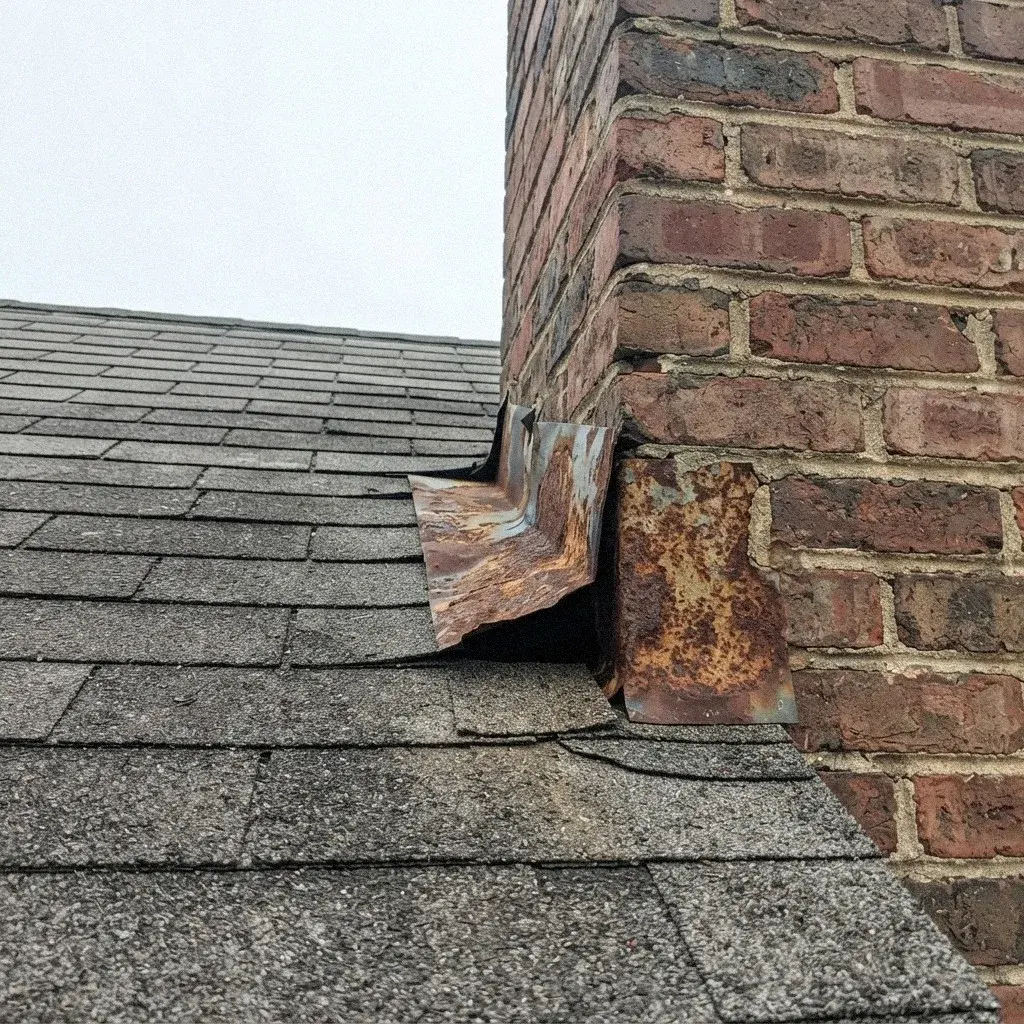
Repairing the metal seals at your chimney, valleys, and walls.
Learn about Flashing & Chimney Repair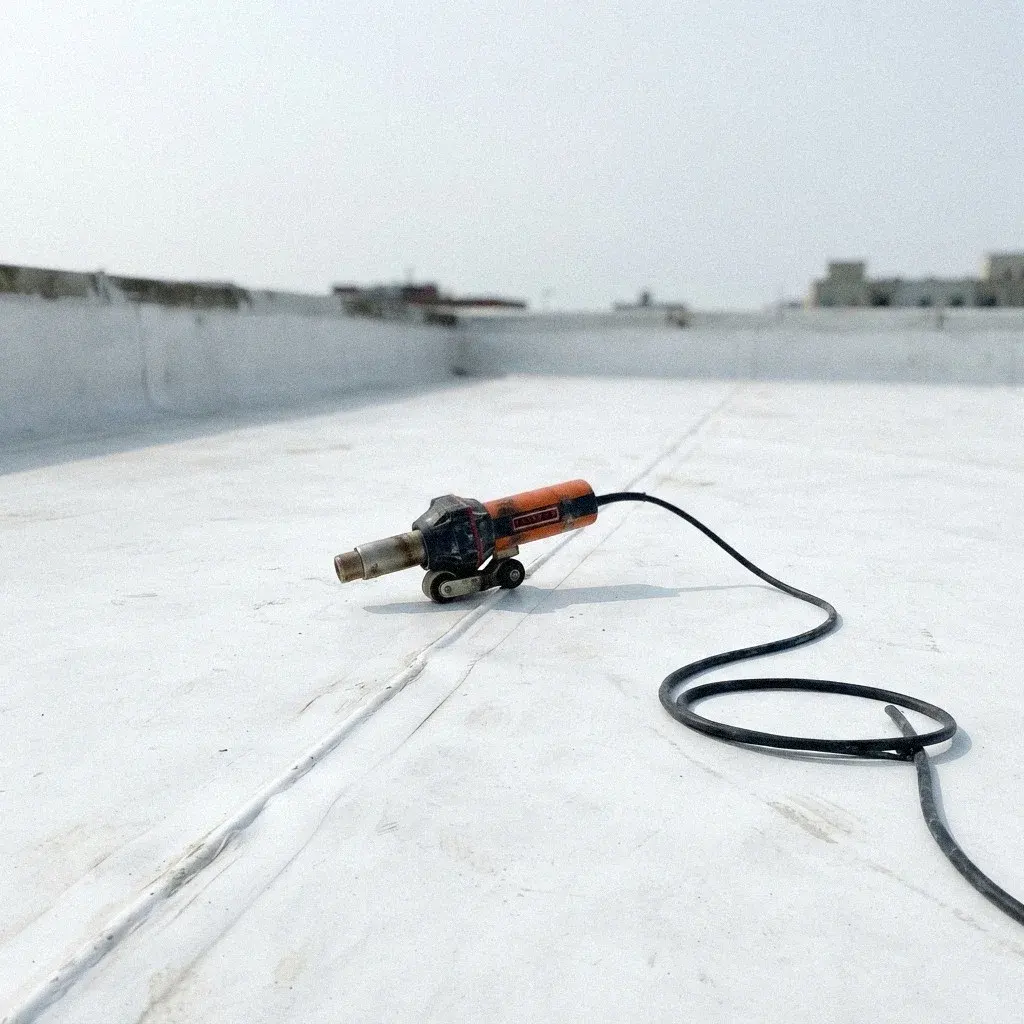
Low-slope membrane roofing built to drain through a Minnesota winter.
Learn about Flat & Low-Slope Roofing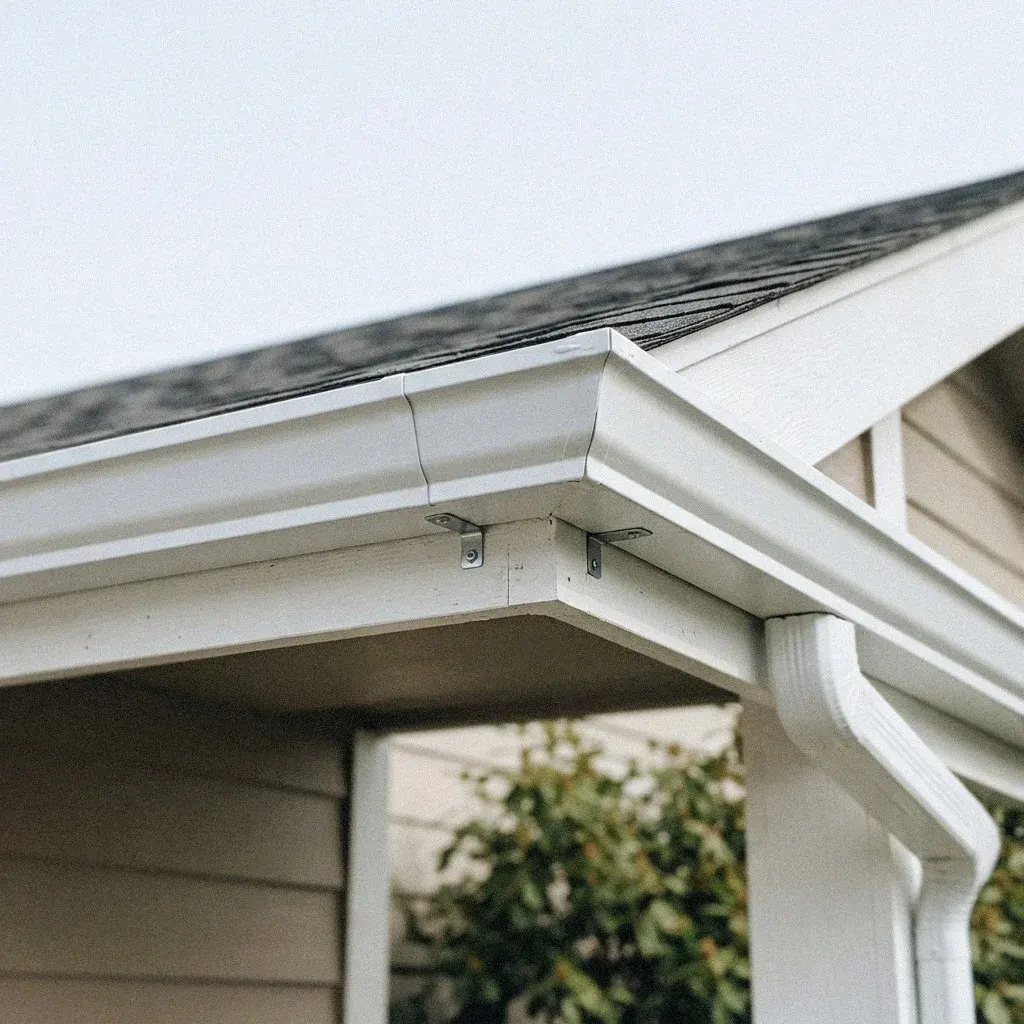
Straight talk on whether your gutters need fixing or full replacement.
Learn about Gutter Repair & Replacement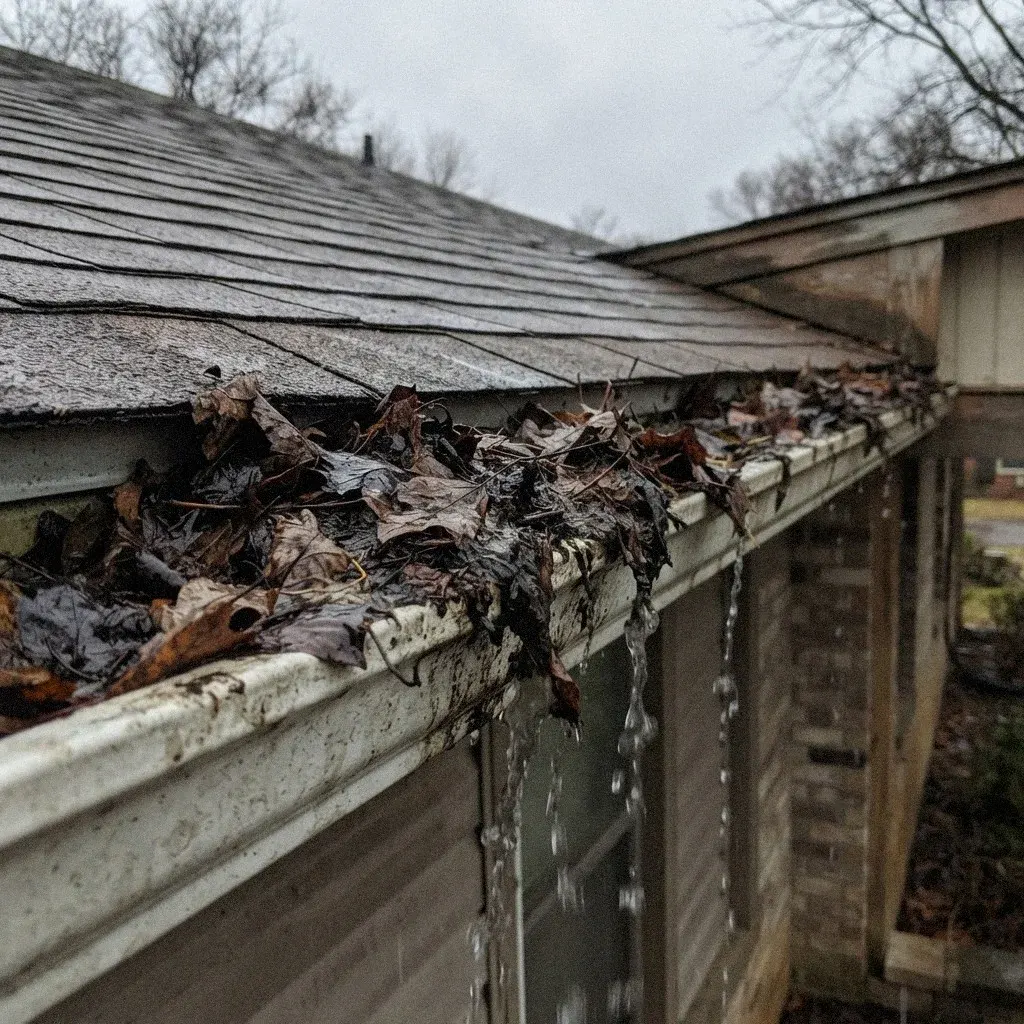
Cleared, flushed, and fitted with guards that actually cut the work.
Learn about Gutter Cleaning & Gutter Guards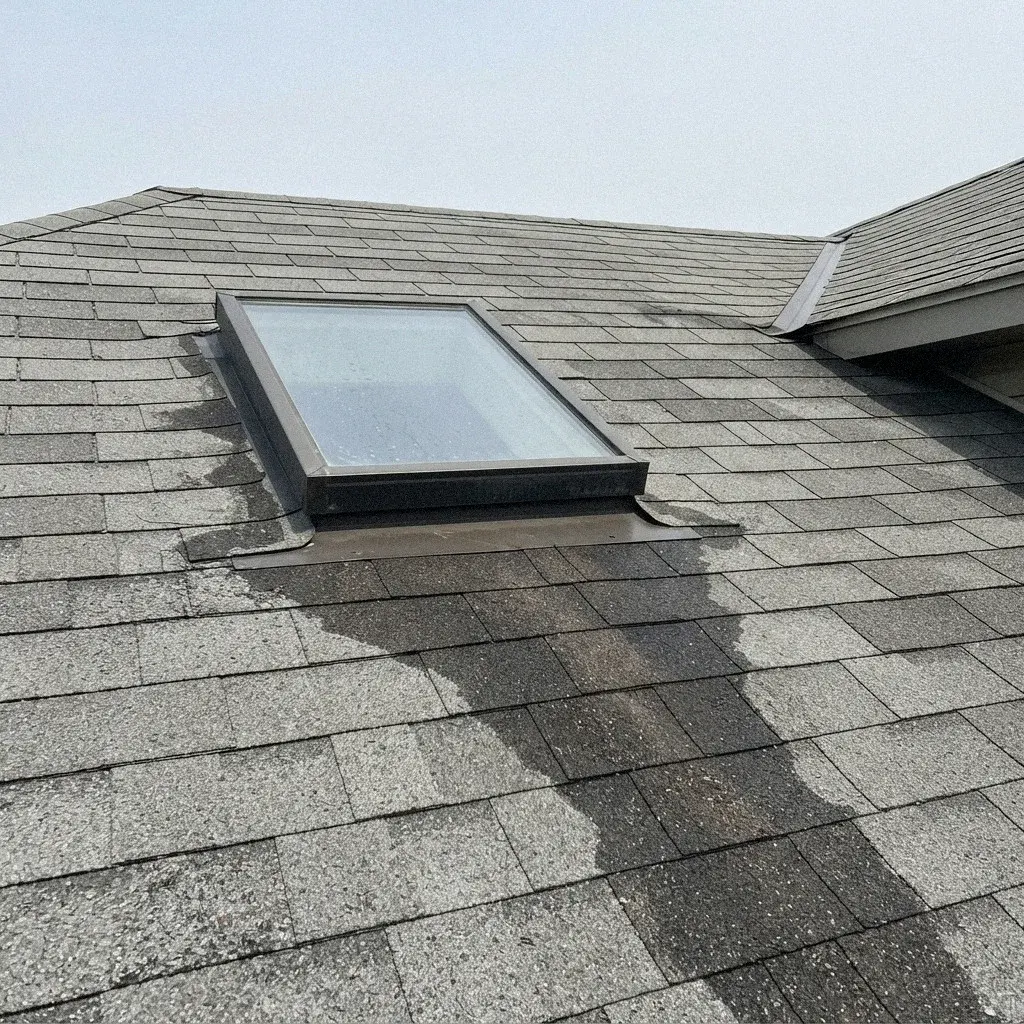
Attic work that stops the ice dam cycle for good, from the inside
Learn about attic ventilation and insulation upgrades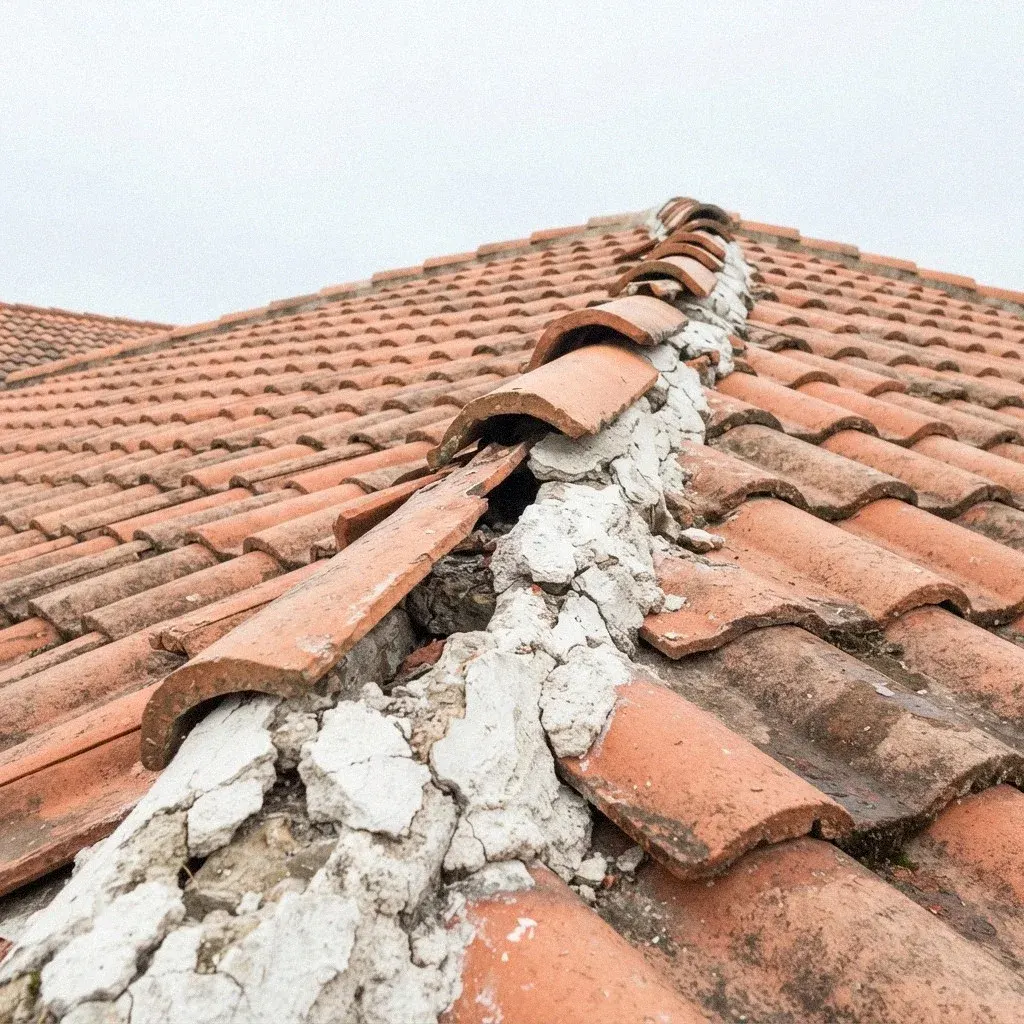
A stain on a Fulton or Cooper ceiling rarely sits above the leak itself. Water travels along rafters and framing before it shows, often surfacing near a chimney or valley far from where ice first backed up under the shingles by the Mississippi River bluffs.
Minneapolis roofs work hardest in winter. About 51 inches of snow a year, stretches below zero, and heat leaking from older bungalows near Kingfield or Tangletown build ice dams at the eaves. Poor attic ventilation makes it worse. Spring and summer bring hail and straight-line winds instead.
High-rise condo towers and flat commercial roofs along Nicollet Mall.
Roof repair in Downtown WestDowntown Minneapolis's riverfront district, built up recently around U.S. Bank Stadium.
Roof repair in Downtown EastDense pre-1920 plat mixing surviving houses with mid-rise apartment and condo buildings.
Roof repair in Loring ParkHilly early-1900s streets by Lake Harriet, filled in before the grid straightened out further south.
Roof repair in Linden Hills1920s-1940s bungalows on a fixed grid, aging into ice dam season together.
Roof repair in FultonA tight pre-1930 grid plat, alley frontage, and one long commercial corridor running through it.
Roof repair in KingfieldA separate city bordering Minneapolis, with older homes near the line and heavy remodel activity.
Roof repair in EdinaMinneapolis roofs mostly fail from ice dams, not sudden disasters. Bungalows in Kingfield and Longfellow with tight attic insulation back up meltwater along the eaves each winter, and that water finds its way under shingles. Add summer hail off a fast-moving thunderstorm near Powderhorn Park, and most calls here trace to one of those two.
Most calls come from a Minneapolis attic that's suddenly taking water — a stain crossing a bedroom ceiling in Longfellow, or drips landing near a stairwell in a Tangletown foursquare after a thunderstorm rolls through. The roof stayed intact for years, then a branch, hail, or wind opened a section fast. Whatever the trigger, water intrusion doesn't wait for a scheduled repair visit, and neither should the response.
Emergency Roof Tarping →Look at the brick or block below where a chimney meets the roof plane, common on Longfellow bungalows near the river bluff. Rust streaking down the face means the counterflashing tucked into the mortar joints above is corroding and letting water track down the masonry instead of shedding onto the shingles below, a sign that's easy to spot from the ground.
Flashing & Chimney Repair →On a Minneapolis flat or low-slope section, trouble starts at seams, drain bowls, and parapet flashing before it ever shows up in the field of the membrane. A bungalow with a flat porch roof near Kingfield or a foursquare addition in Tangletown often leaks first at the seam tape or the flashing where a wall meets the roof deck, not at the membrane surface itself.
Flat & Low-Slope Roofing →A gutter that sags between hangers usually means the spikes or hidden brackets have pulled loose from fascia softened by years of trapped moisture. Look for a run that dips instead of holding a straight line toward the downspout. On a Minneapolis foursquare or bungalow, that dip collects standing water, adds weight the remaining hangers were never sized for, and speeds up the same fascia rot that loosened the first hanger. Left alone, one weak section drags on the ones beside it.
Gutter Repair & Replacement →Gutters packed with shingle grit and needle debris from boulevard trees stop moving water well before they look full. In Minneapolis neighborhoods like Linden Hills and Tangletown, mature canopy drops seed pods and leaves through most of the fall, and a run that looks half full can still be blocked at the outlet. Overflow along one stretch of fascia during a hard rain is usually the first sign, not standing water you can see from the ground.
Gutter Cleaning & Gutter Guards →If icicles form the same way along your eaves every winter, the attic above that stretch is leaking heat. Snow melts near the ridge, refreezes at the colder overhang, and builds a dam that backs water under the shingles. It happens on bungalows near Longfellow and Kingfield alike, on any roof where warm air escapes into the attic faster than the vents can clear it. The pattern repeats until the attic itself is corrected.
attic ventilation and insulation upgrades →Storm season prep, early warning signs, and practical advice for Minneapolis homeowners.
A stain spreads across an upstairs ceiling with no rain in sight. Here's what's really happening above it, and what to do before anyone touches a ladder.
Read articleAfter a Minneapolis hailstorm, most of the real damage is on the roof, not the ground. Here is what a homeowner can check from the yard, and why the camera matters more today than it will in a week.
Read article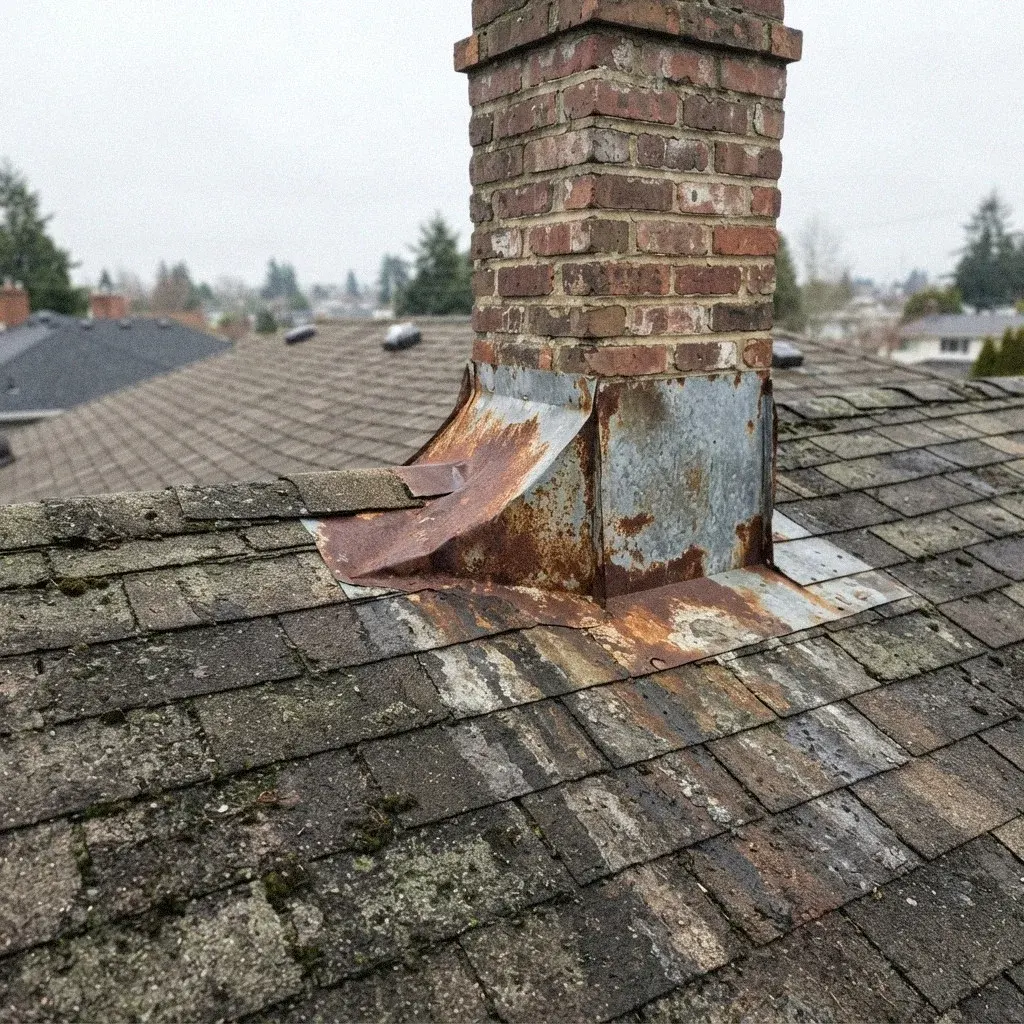
A Minneapolis roof leak rarely comes from worn-out shingles. It comes from a specific joint, valley, or flashing detail. Here's a ranked look at where these leaks actually begin, from pipe boots to drip edge.
Read articleLiving in Minneapolis, MN has its perks, but roofing issues aren't one of them. Minneapolis MN Roofers handles Emergency Roof Tarping, Flashing & Chimney Repair, Flat & Low-Slope Roofing and more for local homes and businesses, with an approach built around this area's specific conditions.
Better to fix it once than keep coming back, which is why the licensed pros we connect you with replace the failed detail rather than seal over it. From Gutter Repair & Replacement and Gutter Cleaning & Gutter Guards, the method is the same.
Calls from Minneapolis and its neighbors from Downtown West and Downtown East to Loring Park and Linden Hills go to roofers who are already out here most days — Nicollet Mall, Loring Park (park), Foshay Tower, Gold Medal Park included, which is the kind of local knowledge an out-of-town outfit cannot match.
Homes and businesses right across Hennepin County. Call to check your street is covered and to have a licensed local roofer take a look.
Price mostly comes down to square footage, roof pitch, and how many layers of old shingle have to come off first. A steep gable on a Kingfield foursquare costs more labor than a simple ranch roof in Fulton. Ice-dam damage found once tear-off starts, especially on older Longfellow or Seward bungalows, can add cost mid-job. Ask for a written bid that separates decking repair from base roofing price.
Asphalt shingle roofs here typically wear down faster than the manufacturer number suggests, because of the swing between summer heat and winters well below zero. Homes near Powderhorn Lake or Lake Nokomis with mature tree cover see more granule loss from shade and moisture than sun-exposed roofs in Camden. Attics with weak insulation or ventilation, common in pre-1940 bungalow stock, shorten shingle life further through repeated ice-dam cycles.
A few cracked or missing shingles, a flashing leak around a chimney, or ice-dam damage confined to one edge is usually a repair. Widespread granule loss, soft decking found under old layers, or leaks showing up in more than one room point toward full replacement. Many Whittier and Tangletown foursquares built before modern attic ventilation codes existed reach that point from accumulated winter stress rather than one storm.
Timing depends on the season more than the neighborhood. During winter, active leaks tied to ice dams on homes near the Chain of Lakes or along Minnehaha Creek tend to get looked at ahead of routine inspections, since attic and ceiling water damage compounds fast. After a summer hailstorm, expect a backlog citywide as multiple blocks report damage at once.
Yes, in almost every case. Roof work on a one- or two-family home in Minneapolis needs a permit before the crew starts, whether it's a full tear-off or a smaller repair job. This holds even if you're doing the work yourself on your own bungalow in Kingfield or Longfellow. Skipping the paperwork can complicate an insurance claim later and cause problems if you sell the house, so confirm permit status before agreeing to a start date.
It depends on the cause. Roof damage from a documented hailstorm or straight-line wind event, which the Twin Cities metro sees most summers, is the kind of claim insurers typically consider. Gradual wear from age, or ice-dam damage tied to poor attic ventilation rather than a storm, is usually treated as a maintenance issue homeowners near Diamond Lake or Cooper pay for directly.
Look for a Minnesota Department of Labor and Industry license, since the state licenses roofers, not the city. Ask for the license number and check it against DLI's records yourself rather than taking a business card at its word. A legitimate contractor carries insurance, gives you a written estimate, and doesn't pressure you to sign right after a hailstorm moves through Tangletown or Seward. Slow down if someone won't put terms in writing.
Most Minneapolis tear-offs happen from late spring through early fall, once hard freezes and heavy snow are no longer a factor and shingles seal properly in warmer air. Waiting until after the first snowfall risks trapping a roof mid-repair through a Minnesota winter. Some contractors will still do emergency tarp work near U.S. Bank Stadium or anywhere else in the city during colder months, but full reroofing is a warm-season job.
Ice dams form when heat leaking from the attic warms the roof deck, melts snow, and sends water down to refreeze at the colder eaves. Older Minneapolis housing stock near Powderhorn Park or Prospect Park often has thinner attic insulation than current code expects, so the cycle repeats through a winter with 51 inches of average snowfall. The fix is usually attic air sealing and insulation, not just chipping ice off the gutters.
A roof recover or replacement can sometimes skip a permit if the job stays under a set size or scope, but Minneapolis still reviews the work against Minnesota Rules governing residential construction. Push past that threshold, or touch the decking underneath, and inspection becomes part of the job.
Minneapolis roofs carry real snow load through the winter, then take on hail and straight-line wind damage from summer thunderstorms, sometimes in the same year. Older housing stock near Longfellow or Tangletown often has less attic insulation than current code expects, which feeds ice dams along the eaves. Sorting out what your roof actually needs, versus what a neighbor's needed, takes a look from someone standing on it. That is what the licensed pros we connect you with are for.
Call (612) 493-0152