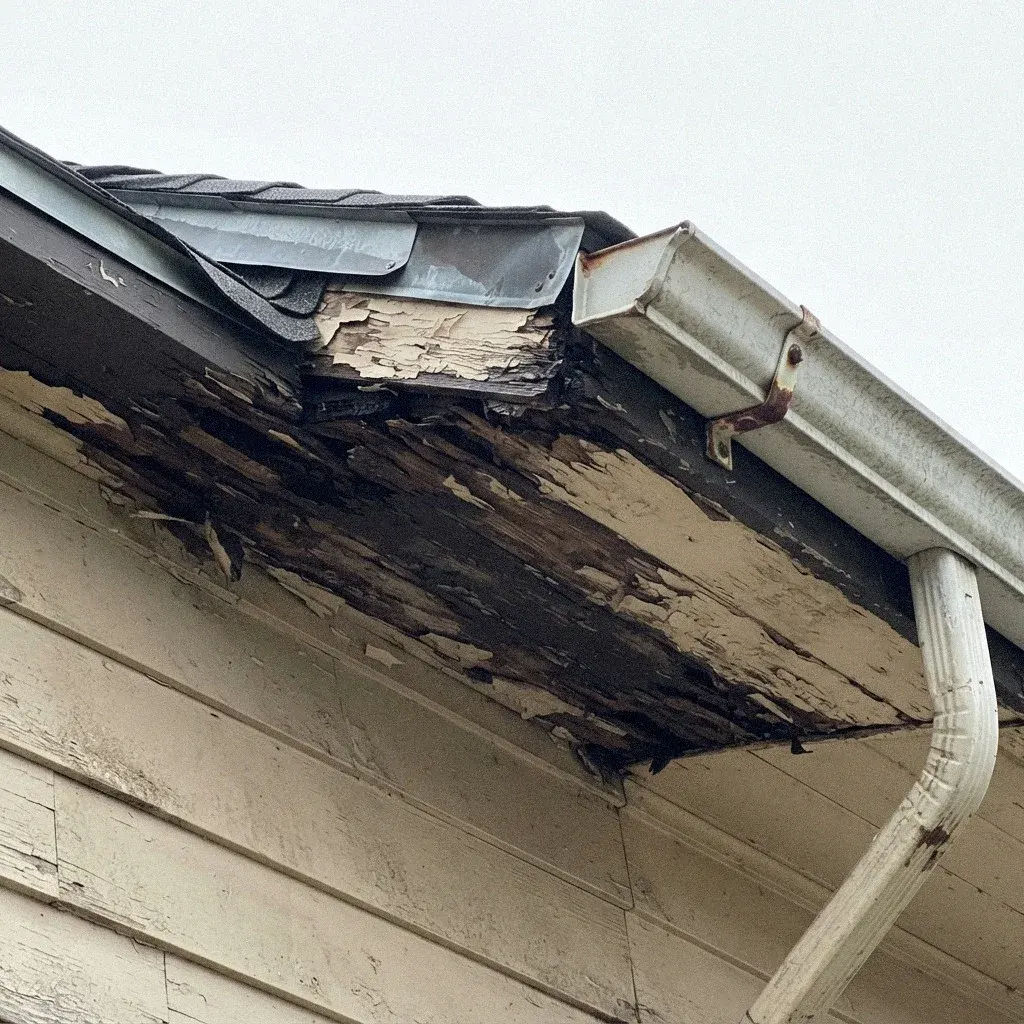
Stopping Minneapolis Ice Dams Starts in the Attic
Air sealing, insulation depth, and balanced ventilation, the attic work that keeps ice from forming on Minneapolis roof edges.
Ice dams form because attic heat melts roof snow from below. Stop them by sealing attic air leaks first, keeping insulation deep and even, then balancing soffit intake with ridge exhaust. Ventilation alone won't fix a leaky, under-insulated attic in a Minneapolis bungalow.
Air sealing comes before anything else
Ice dams form because heat leaks into the attic and melts snow on the roof deck, which refreezes at the cold eaves. Most Minneapolis homeowners treat this as a roof problem, but the roof is only where the damage shows up. The actual work happens in the attic. Stop the heat loss and the meltwater stops. This guide covers the attic work in the order it matters: sealing air leaks first, then insulation depth, then balanced ventilation, because doing them out of order wastes money.
Bungalows and foursquares near Powderhorn Park and Kingfield were built before attics were treated as part of the thermal envelope. Heat was expected to drift upward and vent out. Later owners added insulation on top of that assumption without fixing the air leaks underneath, so warm, moist household air still finds its way past can lights, wiring holes, and framing gaps into the attic space above.
None of the three fixes work alone. Sealed air leaks with thin insulation still lose heat through the ceiling. Deep insulation over unsealed leaks still lets warm air bypass it at the gaps. Good insulation and sealing without ventilation traps moisture and can still leave a cold roof deck uneven enough to dam. The three have to work together, in order, to actually stop ice from building at the eaves.
Why insulation depth decides the outcome
Air sealing comes first because warm air rising into the attic is the actual source of an ice dam, not the roof itself. Every gap around can lights, bath fan housings, plumbing stacks, and the attic hatch lets heated household air escape upward. In a Minneapolis bungalow or foursquare, those leaks concentrate along framing joints and fixture penetrations, and sealing them costs less than any insulation or ventilation fix that follows.
A licensed pro seals these penetrations with fire-rated caulk, foam, or rigid covers before any insulation goes back down, because insulation alone does nothing to stop moving air. The attic hatch gets weatherstripping and often a insulated cover box. Can lights get airtight covers rated for insulation contact. This step is invisible once finished, but it is the difference between an attic that stays cold and one that keeps warming from below all winter.
- Recessed can lights cut straight through the ceiling drywall into the attic. Older fixtures rated for direct insulation contact are rare in pre-1940 Minneapolis housing, leaving a ring of exposed, heat-leaking gap around every fixture.
- Bathroom exhaust fans are supposed to duct all the way outside, through the roof or a wall cap. In many older houses near Powderhorn Park, the duct simply ends a few feet into the attic, or was never connected at all.
- Plumbing stacks that vent through the roof pass through a framed chase that's rarely sealed tight where it meets the ceiling drywall below, leaving a narrow but constant path for warm house air.
- The attic access hatch or pull-down stair is often just a plywood panel resting in an opening, with no weatherstripping and no insulation on its back side, acting like an open window into the attic.
- Top plates, where interior partition walls meet the attic floor, commonly have gaps from wiring and plumbing runs that were never packed or caulked during the original construction or later remodeling.
- Kitchen exhaust ducts and old knob-and-tube wiring penetrations add more small leaks; each one is minor alone, but together they move enough warm air to melt snow steadily over a Minneapolis winter.
Soffit intake and ridge exhaust, sized together
Once air leaks are sealed, insulation depth determines how much residual heat still reaches the roof deck. A ceiling with six inches of old, compressed fiberglass batt performs far worse than the same batt at full loft, and decades of foot traffic near the hatch or storage areas can crush insulation down to a fraction of its rated thickness. Thin spots over bedroom ceilings or stairwells are common trouble areas that create localized ice buildup right above them.
Older insulation upgrades in neighborhoods like Longfellow and Seward were often added in layers over decades, without checking whether the original layer had settled or whether soffit vents were still open underneath. A homeowner can have insulation that looks adequate by eye but performs unevenly because it was never leveled or topped off to a consistent depth across the whole attic floor.
- Insulation depth matters more than the type of material. A layer that looked adequate decades ago in a Fulton or Kenwood bungalow often falls well short of what's needed to keep the attic floor cold.
- Foot traffic near the hatch or mechanical equipment compresses fiberglass or cellulose over time, leaving thin, trodden strips that let heat pass straight through into the roof deck above.
- Insulation added in stages, decade after decade as homes near Whittier and Lyn-Lake were upgraded, often ends up uneven, with gaps at the perimeter where the roof slope meets the exterior wall.
- A warm ceiling below an unevenly insulated attic is the direct fuel source for an ice dam; even a small warm patch above a hallway or stairwell can melt enough snow to feed ice at the eaves.
Where warm attic air actually escapes
Ventilation is the third piece, and it only works if intake and exhaust are sized to work together. Cold air needs to enter low, at the soffit, and warm, moist air needs to exit high, at the ridge or through roof vents near the peak. This constant low-to-high flow keeps the underside of the roof deck close to outdoor temperature, which is what actually prevents uneven melting across the roof surface.
Mixing vent types, or blocking one side of the system, breaks the airflow path even if both intake and exhaust technically exist. A ridge vent with no working soffit intake pulls conditioned air from the living space instead of fresh air from outside, which reintroduces the same heat loss problem the insulation and air sealing were meant to solve. The two ends of the system have to be sized and balanced together, not installed separately and assumed to work.
| Step | What It Stops | Why It Comes First |
|---|---|---|
| Recessed can lights | Heat plume into attic deck | Air seal fixture housings, add covers |
| Bath fan duct | Warm, moist air dumped in attic | Reroute duct through roof or wall |
| Plumbing stack | Chimney effect around pipe gap | Seal collar at ceiling penetration |
| Attic hatch | Constant gap, often uninsulated | Weatherstrip and insulate the hatch cover |
| Top plates | Gaps at every interior wall line | Foam or caulk along the wall-ceiling seam |
Why older Minneapolis bungalows run hot up top
A bath fan ducted straight into the attic, instead of through the roof or a gable wall to the outside, is one of the most common causes of ice dams in older Minneapolis houses. Every shower sends warm, humid air into the attic instead of outdoors, and that moisture-laden air melts snow directly above the duct outlet even in a well-insulated attic.
This shows up as a localized ice dam or a damp patch of insulation right where the duct dumps its air, distinct from more even ice buildup along the whole eave line. Checking where bathroom fans actually terminate, rather than assuming they exit through the roof or wall, is one of the simpler diagnostic steps in an older bungalow or foursquare near Tangletown or Fulton.
Getting the Order Right
Roughly half of Minneapolis housing predates 1940, and most of it was insulated well after original construction, often decades later during a mid-century energy push. That retrofit insulation was frequently installed over painted-shut soffit vents that nobody rechecked, so the intake side of the ventilation system had already stopped working before the insulation upgrade even happened.
A house near Lowry Hill East or East Isles can have a full, even layer of attic insulation and still dam badly every winter because the soffits behind it have been sealed with paint for fifty years. Finding and reopening that intake path is often the single change that makes the rest of the attic work actually pay off.
Ice Dam Prevention at a Glance
- Roughly half of Minneapolis housing predates 1940, meaning attics were often insulated well after the original build, layered on top of whatever venting the house already had.
- Soffit vents on older homes near East Isles or Lowry Hill were sometimes painted shut during exterior repainting, cutting off intake air without anyone noticing for years.
- A bath fan ducted into open attic space instead of outside is one of the most common ice dam contributors found in older Minneapolis bungalows and foursquares.
- Ridge exhaust without matching soffit intake creates uneven airflow, leaving warm pockets near the peak even when the rest of the attic runs cold.
- Can lights, plumbing stacks, and attic hatches are frequently the largest single air leaks in a Minneapolis attic, often outweighing every small gap combined.
- Average Twin Cities metro snowfall runs near 51 inches a year, giving an under-sealed or under-insulated attic repeated chances to build ice at the eaves each winter.
Frequently Asked Questions
Can a bath fan alone cause an ice dam?
Not usually on its own. In an older Minneapolis bungalow, a bath fan vented into the attic can cause a dam right above the duct even with good insulation elsewhere, because it's adding heat and moisture directly under the roof deck. Rerouting the duct outside typically matters more than adding insulation in that spot.
How deep should attic insulation be in Minneapolis?
Warm air rises into the attic through gaps around can lights, bath fans, plumbing stacks, and the attic hatch. That warmth heats the roof deck from underneath, melting snow even when outdoor temperatures near Bde Maka Ska stay well below freezing. The meltwater runs down and refreezes at the cold eaves, building the dam layer by layer.
Why do painted-over soffit vents matter?
A bath fan vented into open attic space, rather than through a roof or wall cap to the outside, dumps warm moist air right under the roof deck. It's one of the most common causes in older Minneapolis houses near Longfellow and Seward, and it also invites frost and mold on the sheathing.
Is ridge vent enough without soffit intake?
Insulation needs to sit at a consistent, adequate depth across the whole attic floor, not just the center. Thin spots over exterior walls, areas flattened by foot traffic, or insulation pushed into the soffit by hand let more heat reach the roof deck right where the dam forms.
Do can lights really leak that much heat?
No. Soffit intake and ridge exhaust have to work as a matched pair, moving roughly equal air. A house near Kingfield or Tangletown with a wide-open ridge vent but blocked or painted-shut soffits still traps warm air at the peak, so the venting does little against ice damming.
Want an attic assessment before winter hits?
Find the licensed pros we connect you with for an attic air-sealing and insulation check before the next Minneapolis snowfall.
Call (612) 493-0152