Materials & Types
Living With A Cedar Shake Roof in Minneapolis, MN
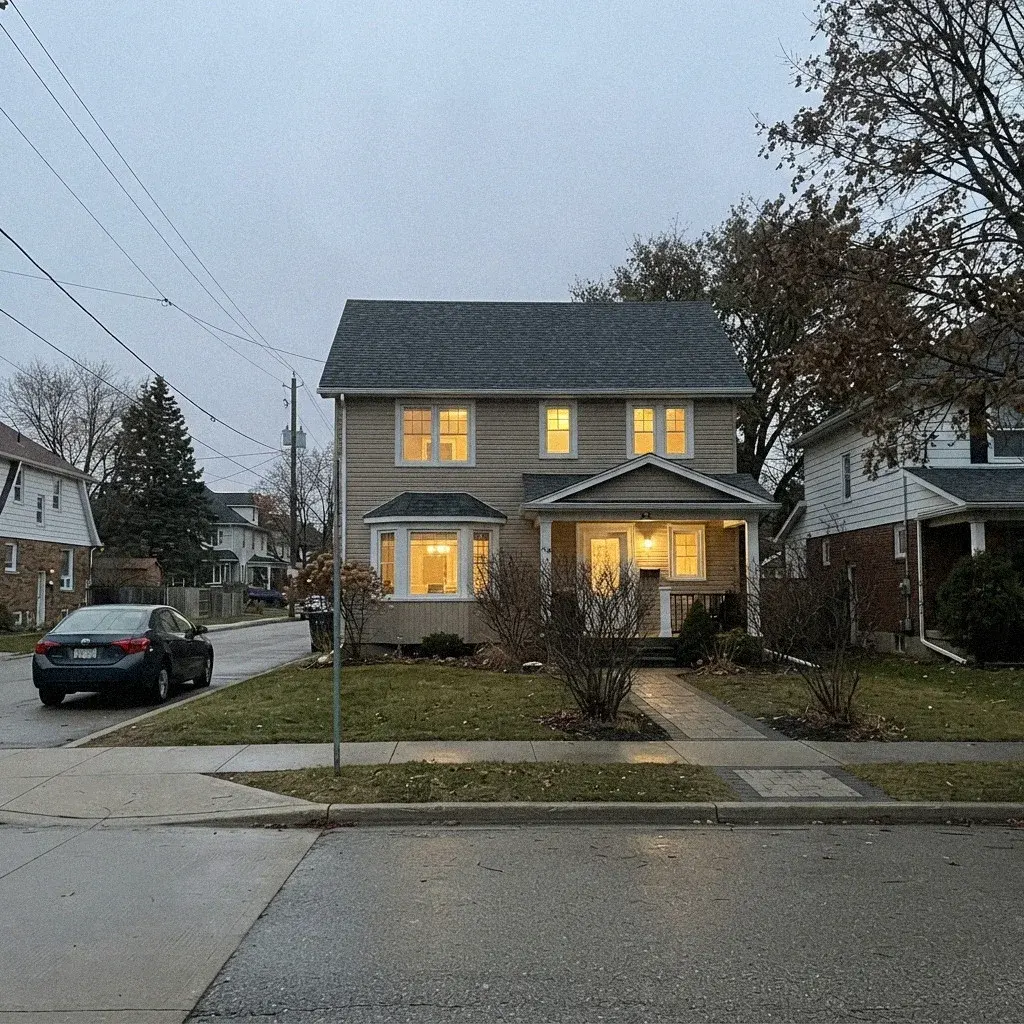
Cedar shake ages by its own rules in Minneapolis. What cupping, splitting, and checking actually mean, and when individual repair stops being enough.
Read article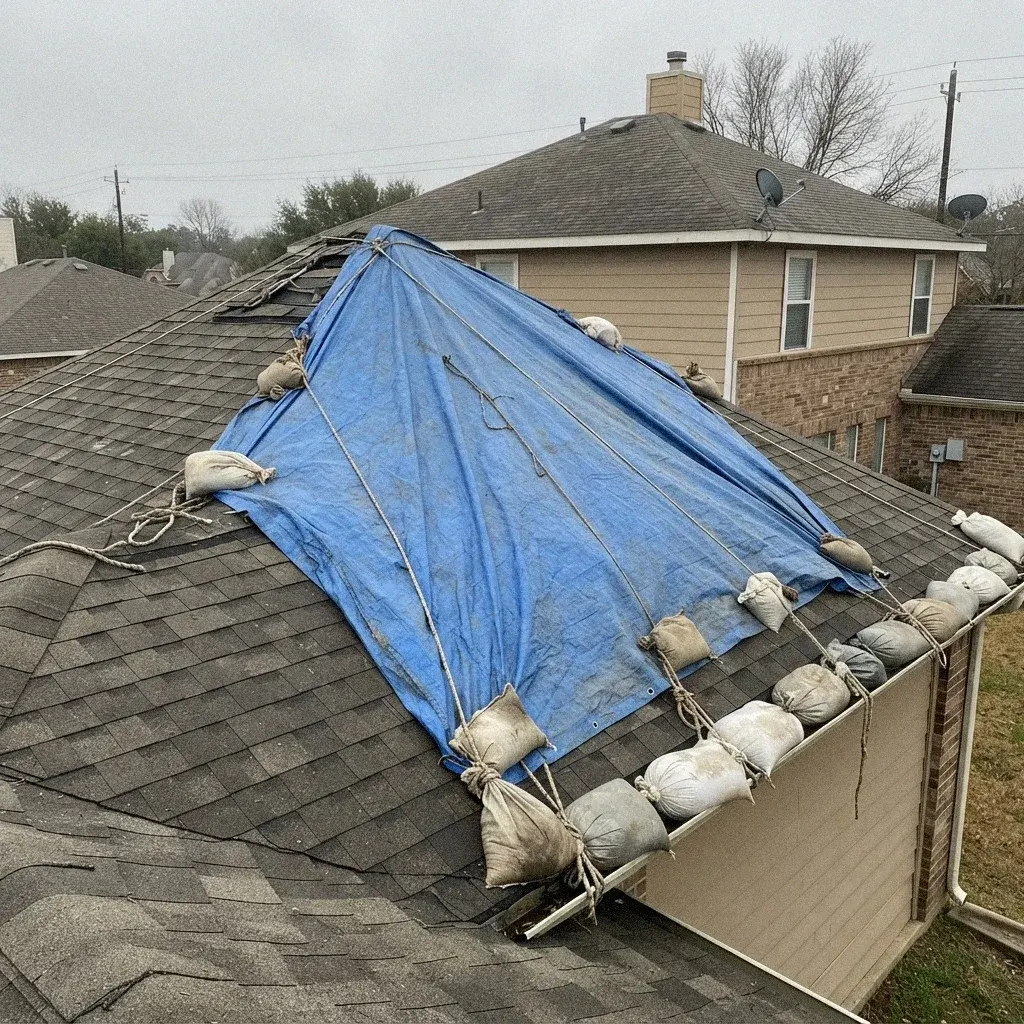
Ice dams steamed off and snow raked back by a local licensed pro, with no shingle damage.
Roof snow removal Minneapolis, MN homeowners need is simple: we connect you with a local licensed pro who rakes snow back and steams ice dams loose without harming your shingles.
A roof snow removal service works best before the next melt cycle, so don't wait. Call now at (612) 493-0152 for roof snow and ice removal.
Ice dam removal means steaming the ice loose from the top down with hot water under low pressure, so the shingles, ice-and-water barrier and wood decking stay intact.
Snow and ice dam removal starts with raking snow back from the eave from the ground. Then a drain channel is opened through the ice so trapped water can escape.
If water is already getting inside, ask about roof leak repair at the same time.
Ice dam repair means fixing any shingles, flashing or decking the water reached, then fixing the attic heat loss that built the dam.
Removal stops the leak now, but the dam returns in the next cold stretch if the attic keeps losing heat.
Older Minneapolis bungalows and foursquares often have less attic insulation than current code calls for, so ask about attic ventilation and insulation upgrades.
Roof ice removal is safest with steam, never hammers or rock salt.
Chipping splits shingles and punches through the ice-and-water barrier, while rock salt eats away at gutters, downspouts and metal flashing. Ice roof removal by steam takes longer but leaves the roof underneath intact.
Deep snow on a porch, garage or addition roof gets pulled off the edge so water can drain before it backs up.
A ridge of ice and hanging icicles at the eave usually means water is backing up under the shingles. It is getting into the deck instead of shedding off the edge.
Deep snow on a porch, garage or addition roof gets heavy once it packs down. Low-slope sections weren't built to hold a full winter of it.
Dripping from a soffit or light fixture means the backup has reached the wall line. Act fast before it spreads further.
Ceiling stains below an exterior wall, especially near a bathroom or bedroom, point to water getting past the shingles and through the deck.
The pro checks the roof from the ground first: where ice has built up, how deep the snow is on low-slope sections, and whether water is backing up toward the wall.
Snow is raked back with a long-handled tool from the ground. Nobody climbs onto a snow-covered pitched roof.
Hot water at low pressure melts the dam from the top down. Shingles, barrier and decking stay intact.
A channel through the ice lets trapped water drain. That relieves the backup before it works further under the shingles.
Minneapolis gets around 51 inches of snow most winters, and older bungalows and foursquares often carry less attic insulation than current code calls for, which is the setup that grows an ice dam. Removal buys time before the next melt, but it doesn't fix the attic heat loss that built the dam.
Steaming melts the dam from the top down with low-pressure hot water, so nothing strikes the shingles or deck. It's slower than chipping, but it won't crack a shingle or tear the barrier, which matters most on older bungalow and foursquare roofs in Kingfield and Tangletown.
Snow is raked from the eave from the ground, where an ice dam typically forms. On a flat or low-slope section, the same rule applies: reduce the load at the edge and open a path for water to drain.
These are the figures quoted most often for ice and snow removal from roofs. The size of the roof, its pitch, and how easy it is to get a ladder to move the number.
| Scope Detail | Warranty Terms | City Permit |
|---|---|---|
| Paying the roofing contractor in full doesn't automatically clear a homeowner if a supplier who delivered shingles to the property, whether in Kingfield or Tangletown, never got paid. A supplier or subcontractor left unpaid can still file a lien against the house. | Roof walked and photographed, no repairs made or attempted | an estimated $175–$1140 |
| A lien waiver from the contractor, and from any supplier who delivered material to the address, is the document that closes that risk. Ask for them at final payment rather than a month afterwards, when the crew has moved on to the next job and the paperwork is somebody else's problem. | Tear-off, ice-and-water barrier at eaves, no attic ventilation work | an estimated $250–$1560 |
| Minneapolis requires a permit for roofing work, and it is normally pulled in the contractor's name and closed out with an inspection. That record stays attached to the property rather than to whoever lived there, so an open permit has a habit of surfacing years later during a sale. | Complete reroof with new flashing at every wall and skylight joint | an estimated $325–$2160 |
| The paperwork behind a Minneapolis reroof, lien releases, permits where they apply, warranty terms in writing, isn't the interesting part of the job. Skipping it is how a roof that looks finished from the street turns into a dispute months later. | Full tear-off and disposal, fascia repainted, chimney flashing rebuilt whole | an estimated $450–$3120 |
A written estimate should spell out tear-off scope, underlayment, and cleanup, not just a bottom-line number. Ask whether the price assumes discovering rotted decking underneath, since that cost often surfaces only after old shingles come off, and get any allowance for it in writing before work starts.
No. Chipping or hammering splits shingles, punches through the ice-and-water barrier and can crack the decking on an older Minneapolis roof. Steaming melts the ice loose instead, which takes longer but leaves the roof intact.
No. Rock salt eats away at gutters, downspouts and metal flashing, and it runs off onto plants and concrete. The licensed pros we connect you with use calcium chloride ice melt in a sock, and even that goes on sparingly.
Not on its own. Removal stops the immediate leak and takes weight off the roof edge, but the dam comes back if the attic keeps losing heat. Fixing that takes more insulation or better attic ventilation.
No. A pitched roof covered in snow or ice has no reliable footing, and a fall onto frozen ground is a serious injury risk. The licensed pros we connect you with work from ladders and the ground where possible, and use ropes and roof anchors when someone has to go up.
Yes. A flat or low-slope section over a porch, garage or addition can hold enough wet or compacted snow to matter. Pulling weight off the edge and opening a drainage path keeps water from backing up under the roofing once melt starts.
Every roof is different, so the only accurate number comes from somebody going up and looking. That said, most ice and snow removal from roofs jobs in Minneapolis run an estimated $250–$1200 per job, depending on the size of the roof and how steep it is. The figure is confirmed in writing before anything is ordered.
Hail and straight-line wind do their damage in minutes during a summer thunderstorm, then go quiet for months while the bruised shingles keep failing slowly underneath. That gap between the storm and the leak is why a roof should get checked after severe weather, not just after a leak shows up.
Cedar shake ages by its own rules in Minneapolis. What cupping, splitting, and checking actually mean, and when individual repair stops being enough.
Read article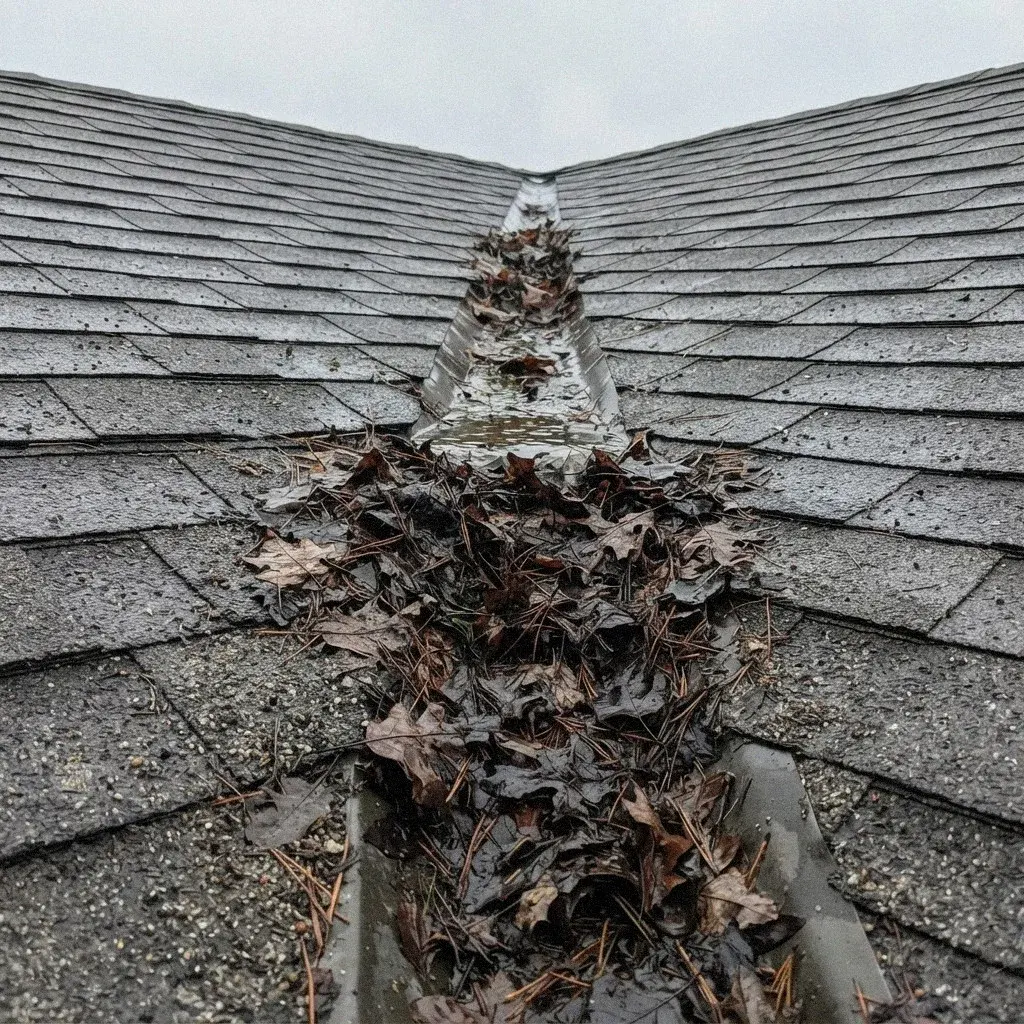
Leaf and needle litter piles up in valleys and behind chimneys on Minneapolis roofs, holding moisture long after a storm passes. Here's where it collects, what it does to shingles, and how to clear it safely.
Read article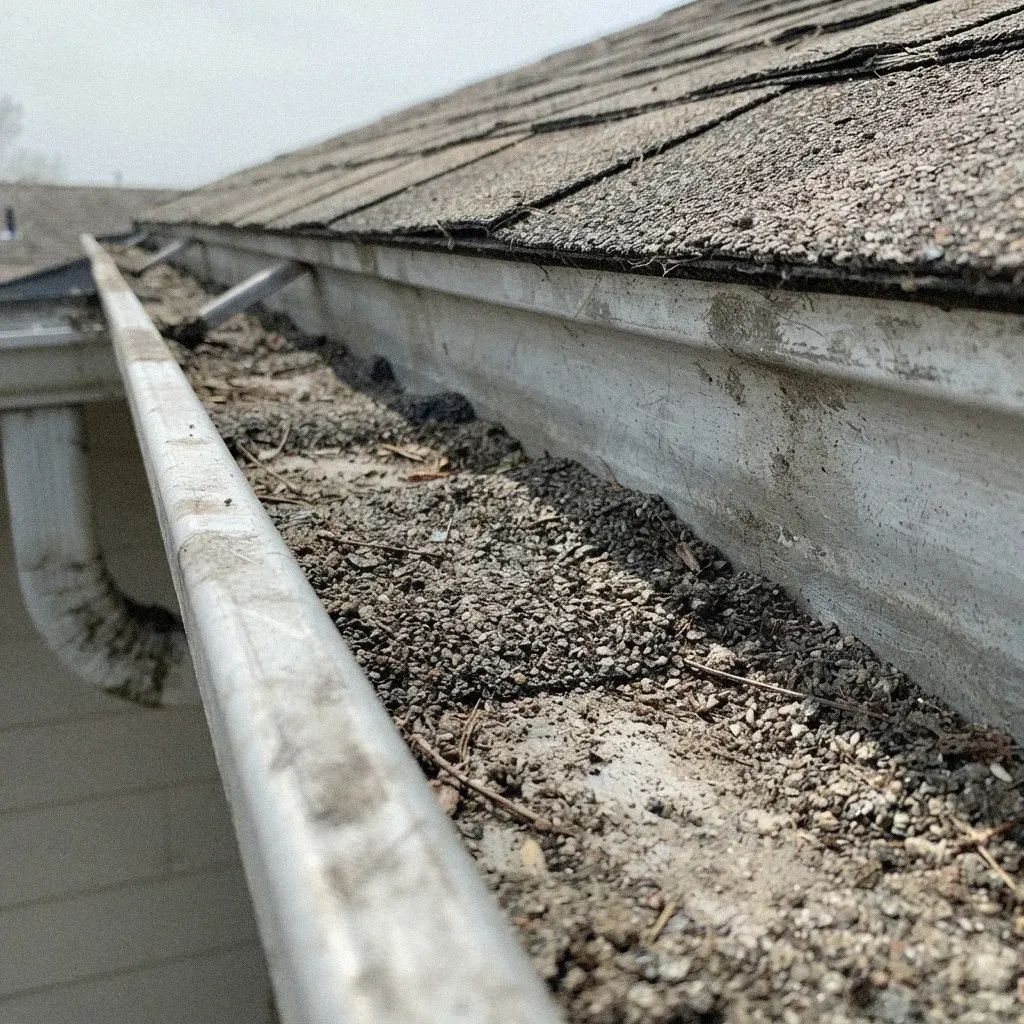
A handful of ceramic granules at a Minneapolis downspout or splash block usually means nothing. This piece breaks down how to separate normal break-in shedding from bald spots and real wear, and what an uneven pattern by roof slope is actually telling you.
Read articleThis page explains what the work generally involves, but no two Minneapolis roofs age the same. A bungalow near Linden Hills with decades of shingle layers behaves differently than a roof replaced after wind damage near Prospect Park. Attic ventilation, pitch, and how much ice dam trouble a house has seen all change what this service means for your address. The licensed pros we connect you with can tell you how it applies to your roof specifically.
Call (612) 493-0152