Reading Your Roof After a Minneapolis Winter
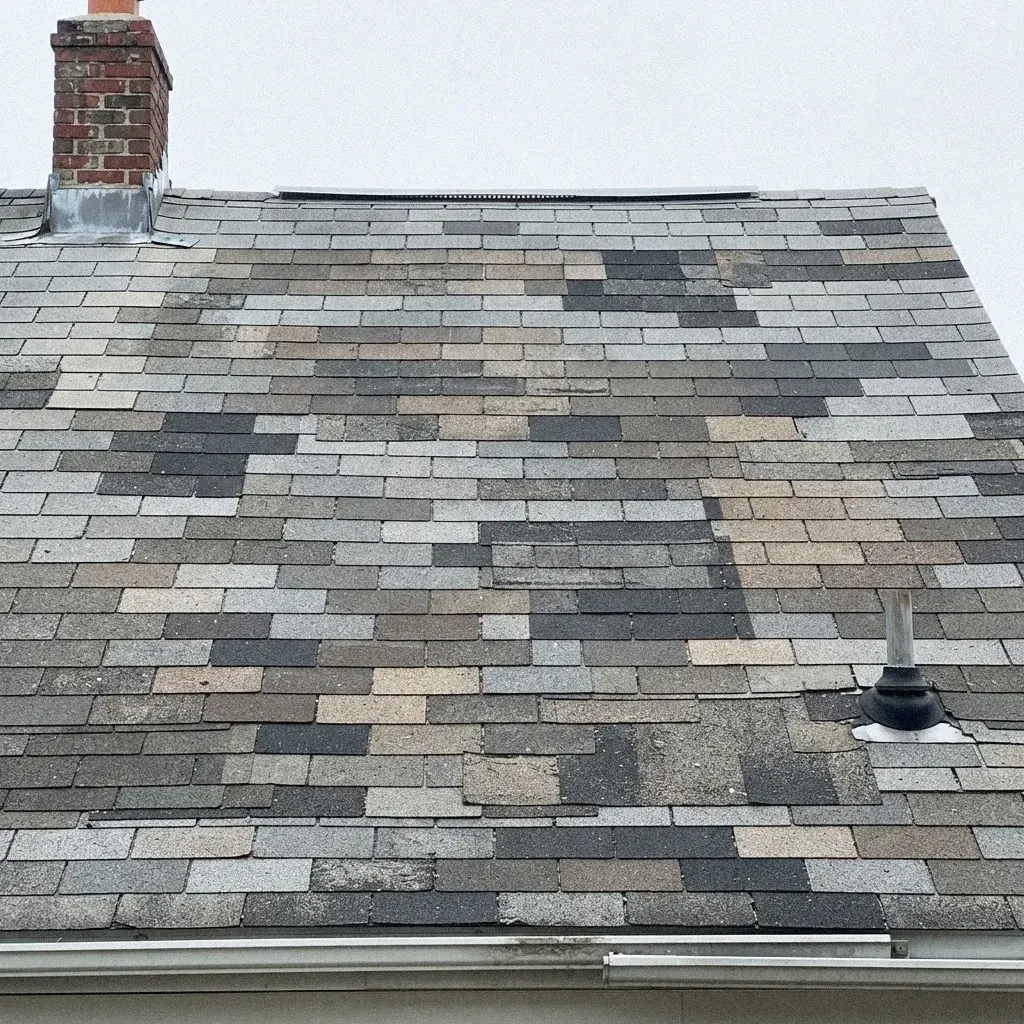
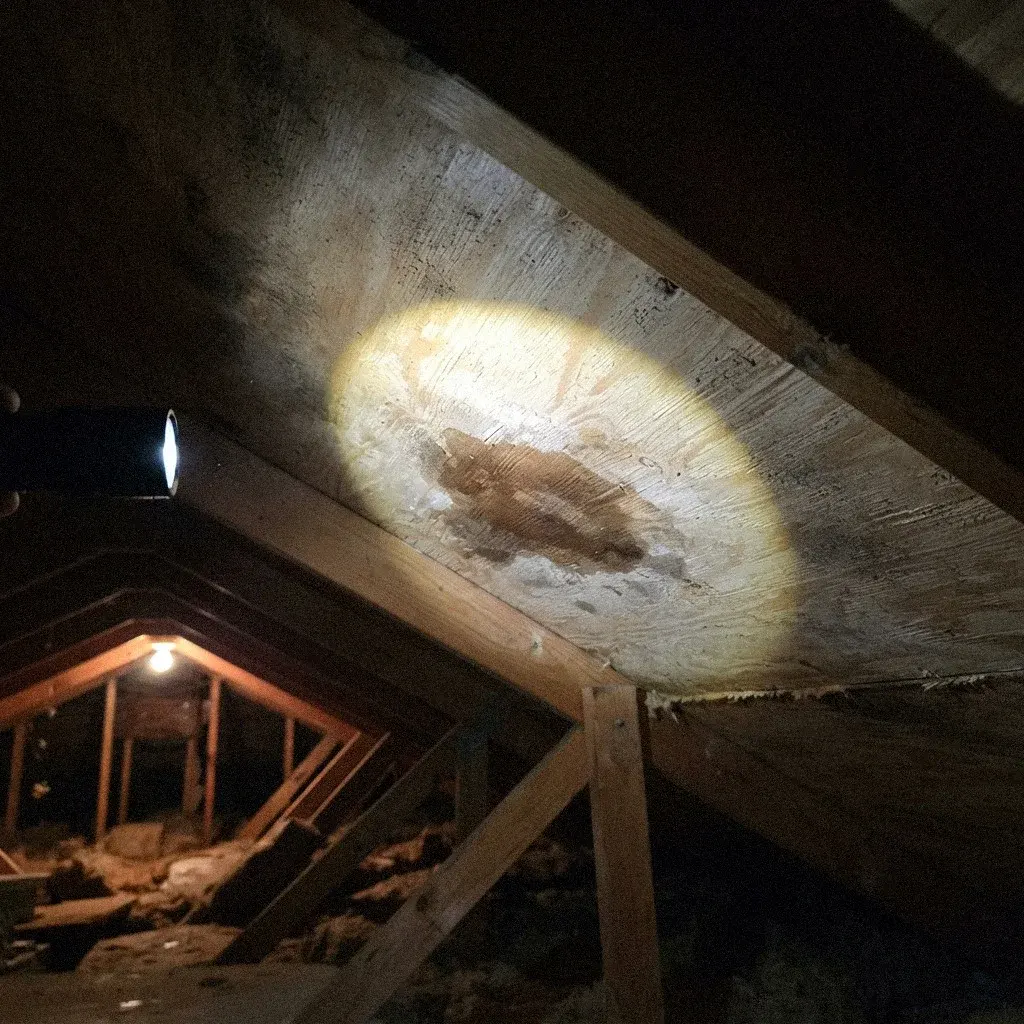
A spring walkaround shows what a Minneapolis winter left behind: missing shingles, loose flashing, ice dam staining in the attic, and a punch list worth building before storm season.
Read article
Balanced intake and exhaust airflow for older Minneapolis attics, handled by local licensed pros we connect you with.
Attic ventilation Minneapolis, MN homeowners can count on starts with balanced intake and exhaust, so frost and heat stop building under your roof deck.
Call now and we'll connect you with a local licensed pro who knows older Minneapolis attics. Don't wait for the next ice dam to show you the problem.
The best roof ventilation solution is balanced airflow: clear soffit intake low on the roof and ridge, static or turbine exhaust high up. Exhaust vents can only move the air that the intake lets in.
Many bungalows and foursquares here were built before modern venting standards and relied on gable vents alone. A ridge vent paired with soffit intake usually moves air more evenly than scattered static vents.
Attic ventilation repair means finding what is blocking the airflow and clearing it, not just adding more vents. Common culprits are soffits painted shut or packed with insulation, and bath fans or dryer vents that dump moisture into the attic.
The licensed pros we connect you with also check baffles at the eaves so blown-in insulation can't slump against the deck and seal off intake.
If your roof is already open for a reroof, adding or clearing vents is routine work and usually adds only modestly to the project.
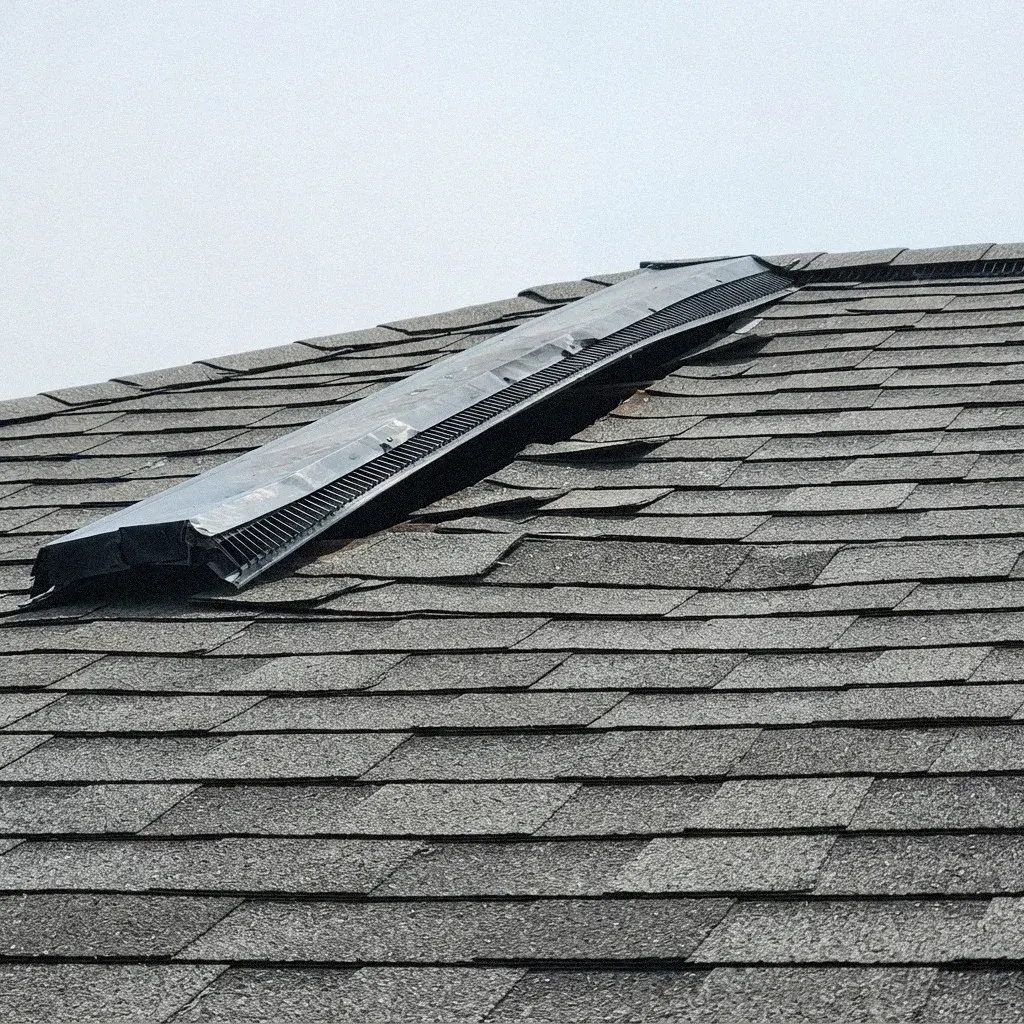
Ice dams at the eaves often point to blocked soffits. Intake air never reaches the attic, so the roof deck stays warm and melts snow unevenly.
A musty smell means sheathing, insulation or stored boxes have stayed damp long enough for mold. Adding vents without sealing ceiling gaps below keeps supplying the moisture.
Curled or discolored shingles near the ridge can mean heat is trapped under the deck. Old gable or turbine vents can also fight newer ridge vents instead of moving air one way.
Frost on the underside of the sheathing in winter means warm, moist air is reaching the attic and not getting out.
The pro checks existing intake and exhaust vents, baffle placement and insulation depth before recommending any change.
Soffit vents are cleared of paint, insulation or debris, since exhaust can only move air the soffits let in.
Bath fan and dryer vents are traced to confirm they end outside, not in the attic.
Vent options are sized to the attic's net free area and matched to the roof's slope and length.
Many Minneapolis bungalows and foursquares were built before modern venting standards, and years of blown-in insulation and fans vented into the attic trap moisture. That matters most on a roof that sees 51 inches of average annual snowfall.
On a reroof, the pros we connect you with check net free area against the attic's square footage before touching a vent. A low-slope addition needs a different intake and exhaust mix than a steep-pitched Queen Anne.
Baffles at the eaves matter as much as the vents. Without them, blown-in insulation can slump against the deck and seal off soffit vents, so checking them is standard on older attics.
Ballpark pricing for roof ventilation & attic airflow around Minneapolis. Nothing is charged until you have a written estimate in hand.
| Deck Condition | Insulation Depth | Crew Schedule |
|---|---|---|
| Shingle manufacturer warranties and a contractor's labor warranty cover two different failure points, not one. The shingles can be sound while flashing or nailing pattern fails, and knowing which warranty answers for which problem matters before a leak shows up, not after. | Storm-damaged shingles swapped in place, no full section reroofed | an estimated $315–$2470 |
| Labor warranty length varies by contractor, sometimes a year, sometimes longer. Ask directly what happens if a leak appears after that window closes. A hedging answer to that one question says more than the sales pitch that came before it. | Tear-off over Longfellow-era decking, new felt, deck untouched if solid | an estimated $450–$3380 |
| Manufacturer shingle warranties usually require correct installation to hold. A rushed nailing job or wrong flashing detail can void that coverage even when the shingles themselves were never defective, which is exactly why the installer's own labor warranty matters separately. | Bungalow-scale reroof, ridge vent cut in, gutters left as found | an estimated $585–$4680 |
| Get warranty terms written down before the tear-off starts, not after the crew has already left the Twin Cities metro for the next job. A verbal promise about what's covered means nothing once there's a dispute over what actually failed. | Reroof plus attic insulation upgrade, no interior drywall repair done | an estimated $810–$6760 |
A low bid usually means a shortcut, not savings. Skipping ice-and-water barrier, proper flashing, or full tear-off disposal costs the crew money, so a number well below everyone else's is a sign something got left out of the scope, not a sign of a better deal.
It looks like heat building under the roof deck in summer and frost on the underside of the sheathing in winter. Ice damming along the eaves is another sign. A quick check for blocked soffits or a missing ridge vent usually explains it.
No, a bath fan should end outside the roof or wall. Blowing warm, moist air into the attic causes problems, and it is common on older Minneapolis houses. The same goes for a dryer vent routed into the attic.
Ridge vents run along the whole peak and pull air evenly across the attic. Static and turbine vents sit at fixed points and pull from a smaller area around each one.
Net free area is the open space in a vent that air can actually pass through, not the size of the cover. Intake and exhaust net free area is tied to the attic's square footage, and getting that ratio wrong is a common mistake in older setups.
No, a gable vent without soffit intake doesn't create the airflow a balanced system needs. It can work as part of the exhaust side when paired with working intake vents.
Every roof is different, so the only accurate number comes from somebody going up and looking. That said, most roof ventilation & attic airflow jobs in Minneapolis run an estimated $450–$2600 per job, depending on the size of the roof and how steep it is. The figure is confirmed in writing before anything is ordered.
Attic heat loss is what turns ordinary snow into an ice dam. A roof that sheds warmth unevenly melts snow near the ridge, which refreezes at the eaves and backs water under the shingles. The fix usually starts in the attic, not on the roof deck itself.

A spring walkaround shows what a Minneapolis winter left behind: missing shingles, loose flashing, ice dam staining in the attic, and a punch list worth building before storm season.
Read article
Shade, trapped debris, weak flashing, and stale attic air all wear down a Minneapolis roof faster than age alone. Here is how each one actually works.
Read article
Cedar shake ages by its own rules in Minneapolis. What cupping, splitting, and checking actually mean, and when individual repair stops being enough.
Read articleThis page explains what the work generally involves, but no two Minneapolis roofs age the same. A bungalow near Linden Hills with decades of shingle layers behaves differently than a roof replaced after wind damage near Prospect Park. Attic ventilation, pitch, and how much ice dam trouble a house has seen all change what this service means for your address. The licensed pros we connect you with can tell you how it applies to your roof specifically.
Call (612) 493-0152