Minneapolis winters leave a mark on every roof, and spring is when that mark becomes visible. Snow load, freeze-thaw cycling, and months of ice sitting against shingles do their work quietly. By the time the snow along Minnehaha Creek finally clears and the Chain of Lakes opens up again, a roof that looked fine in November may have shifted, cracked, or lost a piece of itself. A walkaround now, while the damage is fresh and the weather is workable, catches problems before they become water inside the house.
How Ice Dams Do Damage
Ice dams form when heat escaping an attic melts snow on the upper roof, and that meltwater refreezes at the colder eave. Older bungalows and foursquares around neighborhoods like Kingfield or Longfellow, with less attic insulation than current code expects, are especially prone to this. The ice builds a dam, water backs up under the shingles behind it, and that backed-up water can travel further into the roof deck than most homeowners assume, often without a visible drip until much later.
A Ground-Level Look First
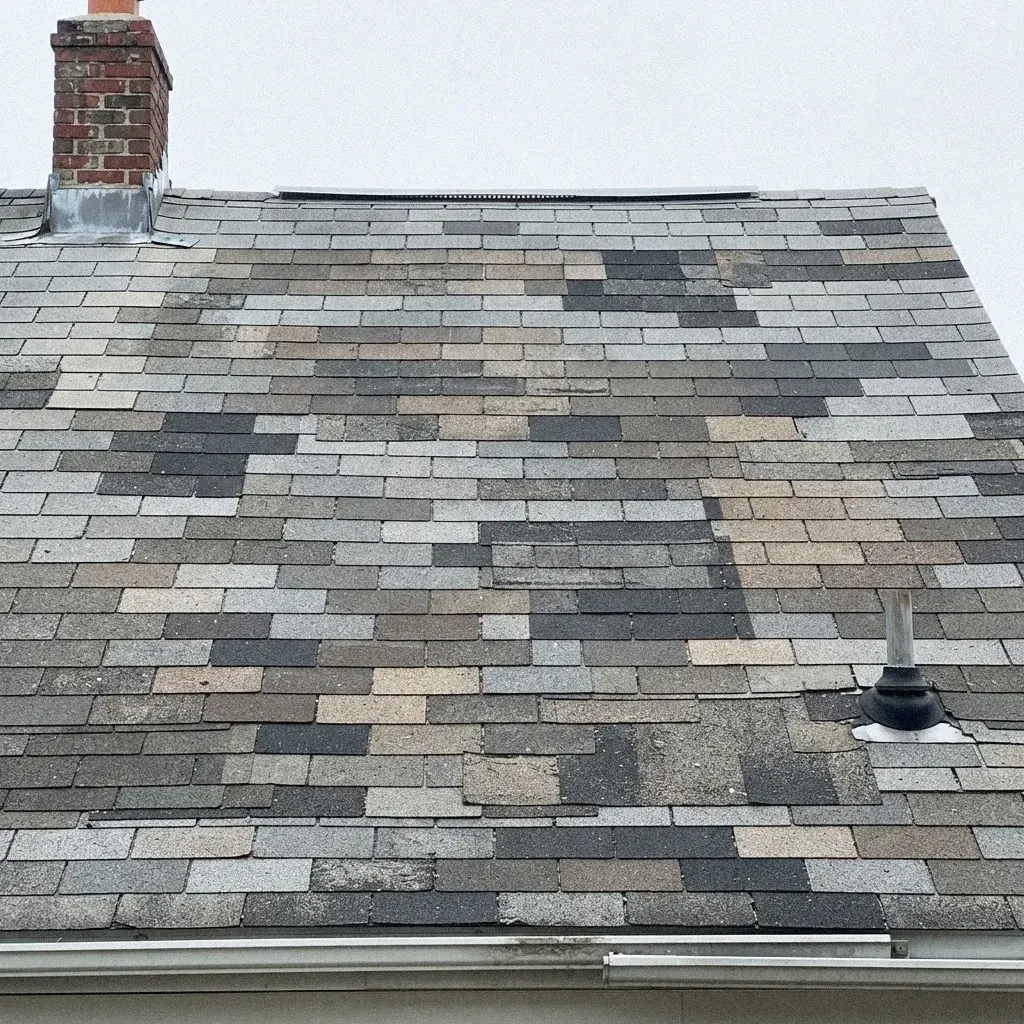
Minneapolis roofs take the brunt of it at flashing joints and pipe boots, where repeated freeze-thaw cycles work sealant loose over months of below-zero nights and thaw. A missing shingle near the ridge cap often traces back to wind that peeled the edge during a January melt, not a summer storm. By spring, water has usually found any weak seam, so a walkaround that checks flashing and pipe boots before the next rain catches problems while they are still small.
What the Attic Reveals
The attic tells a more honest story than the roof surface does, because it shows where water already got through. Look for staining on the underside of the roof deck, dark streaks along rafters, or a damp, musty smell that wasn't there in the fall. Check insulation for compression or wet spots, since matted insulation stops doing its job even after it dries. A flashlight and ten minutes in the attic will catch ice dam damage that the shingles above never show from outside.
Checking Sealant and Pipe Boots
Sealant around plumbing vent pipes, chimneys, and skylight curbs takes a beating over a Minneapolis winter. Cold makes it brittle, and the freeze-thaw cycle works it loose at the edges even when it looks intact. A rubber pipe boot is often the first thing to crack, since the material stiffens in the cold and doesn't fully recover once temperatures climb back into the 40s and 50s. A close look at every penetration point on the roof, not just a glance, is worth the time in spring.
Gutters and Downspout Flow
Gutters clogged with fall leaves and frozen solid all winter don't drain the way they're supposed to once the snow starts melting. Check that downspout flow actually moves water away from the foundation instead of pooling near it, since Minneapolis basements are the norm here and foundation moisture is not something to ignore. Look for gutters pulled away from the fascia, sagging sections, or ice-related dents. A gutter that failed quietly in January can flood a window well the first heavy spring rain.
Clearing Winter's Debris
Debris removal matters more after winter than people expect. Branches knocked down by heavy snow, ice-damaged shingle grit that's washed into valleys, and leftover leaves from last fall all trap moisture against the roof surface. Left alone through a wet spring, that debris keeps sections of the roof damp longer than the rest, which accelerates wear in exactly the spots least visible from the ground. Clearing it off is simple work, but it's easy to overlook until the roof already shows a problem.
Stains Show Up Inside
A stain check inside the house rounds out the outside inspection. Look at ceilings on the top floor, especially near exterior walls and around any chimney or skylight, for a faint brown ring or a soft spot in drywall. These stains often show up weeks after the water actually got in, once the ceiling material finally saturates enough to darken. Homes near Powderhorn Park or Tangletown with older plaster ceilings sometimes hide this longer, since plaster absorbs moisture differently than drywall does.
Before Storm Season Arrives
Hail and straight-line wind from spring and summer thunderstorms are a separate threat from winter damage, but spring is when it's worth knowing what pre-existing damage looks like before storm season adds to it. A roof that already has a cracked shingle or lifted flashing going into a hailstorm fares worse than one that's sound. Distinguishing new storm damage from old winter wear later in the year is much easier if someone has already documented the roof's condition in spring.
Building a Punch List
Not every spring finding needs immediate attention, and that's the point of building a punch list instead of reacting to each item separately. A cracked pipe boot, a loose section of flashing, and a gutter that needs re-hanging can usually wait a few weeks without getting worse. Writing them down as they're found, rather than fixing or forgetting them one at a time, gives a clearer picture of the roof's overall condition and what actually needs attention first.
Why Spring Is the Window
Spring is the practical scheduling window for follow-up work, mainly because the weather cooperates and the roof has finished moving through its worst freeze-thaw stress for the year. Materials handle better once temperatures are consistently above freezing, and contractors aren't backed up yet with storm-damage calls the way they often are after a summer hailstorm. Getting on a schedule in April or May, once the punch list is done, tends to beat waiting until the season gets busy.
When to Call in Help
Start in the attic, not on the ladder. Flashlight in hand, check the underside of the roof deck near the ridge and around any pipe boot for dark staining or damp wood, since that's where a slow leak shows up first. Outside, note any missing shingle, curled edges, or loose flashing around chimneys and valleys. Check that gutters and downspout flow are clear of the debris a Minneapolis winter leaves behind, from Kenwood to Longfellow, before rain season sets in.
Dealing with this in your home?
Minneapolis roofs carry the weight of two seasons pulling in opposite directions. Bungalows near Kingfield and Longfellow trap heat in poorly vented attics, melting snow that refreezes at the eaves into ice dams. Come summer, hail off a Hennepin County thunderstorm can strip granules city-wide, no matter the neighborhood.