Architectural shingles and three-tab shingles both use a fiberglass mat and asphalt coating, but the shingle itself is built differently. A three-tab shingle is one flat layer with cutout slots that create the tab pattern. An architectural shingle, also called a laminated or dimensional shingle, is built from two layers fused together. That second layer is the whole difference in how each performs on a Minneapolis roof through wind, hail, and a long winter.
What Lamination Actually Adds
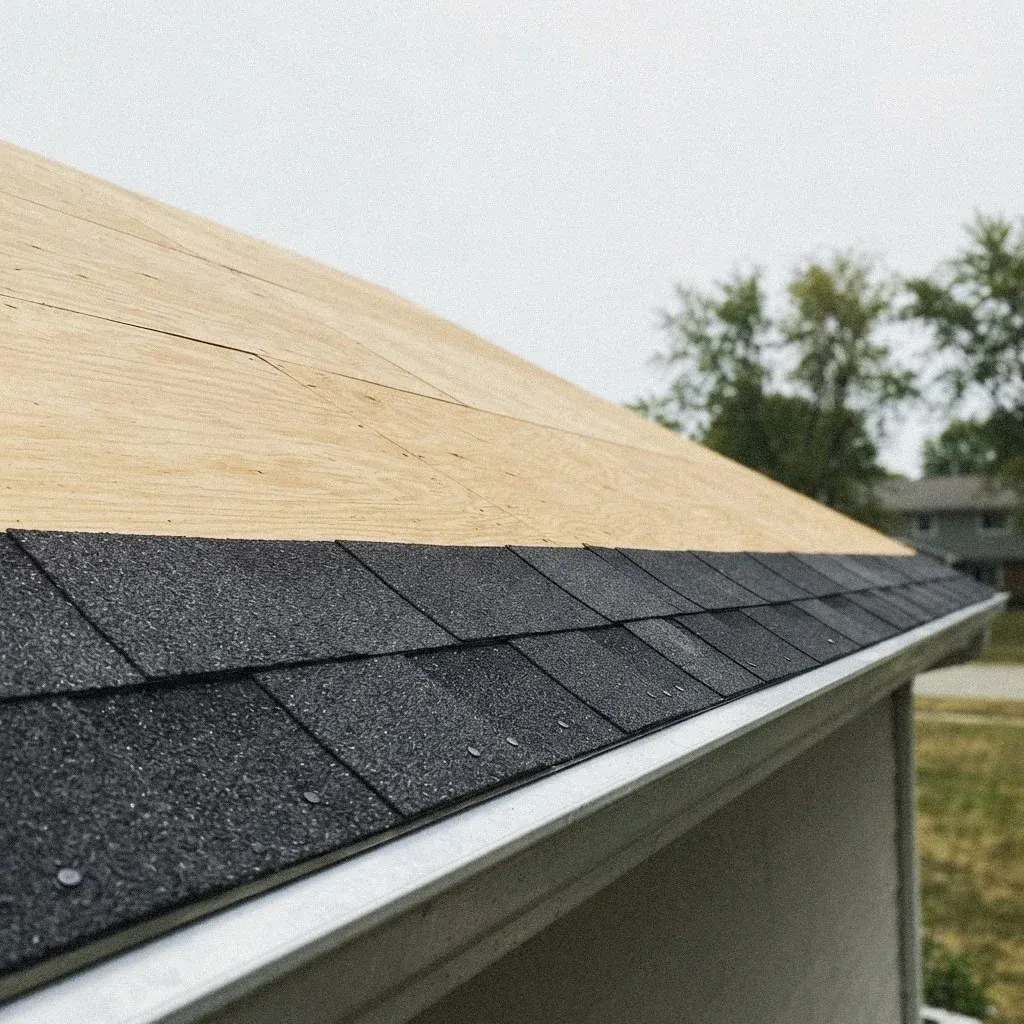
The lamination is a second layer of asphalt-coated fiberglass mat bonded to the base layer, offset so it does not line up edge to edge. That double-layer lamination gives the shingle thickness and a slightly irregular edge instead of a flat cutout. It is why architectural shingles read as dimensional from the ground and why three-tab shingles, by contrast, look flat and uniform across a roof in Kingfield or Tangletown.
Bundle Weight Tells the Story
Bundle weight is one of the clearest ways to tell the two apart before they go on the roof. A laminated shingle bundle runs heavier per square because of that extra layer, and it typically takes more bundles to cover a square than three-tab does. Roofers on a Longfellow bungalow or a Linden Hills foursquare notice the difference when carrying bundles up a ladder, not just in the finished look.
Wind Rating and the Nailing Zone
Wind rating is where the construction difference gets tested. Laminated shingles are generally rated higher because the second layer adds resistance to lifting at the tab edge, which matters during a summer thunderstorm with straight-line wind moving through Hennepin County. Three-tab shingles carry a lower wind rating by comparison. Neither rating is a Minneapolis-specific number; it comes from the shingle manufacturer, not city code.
Where the Nailing Zone Sits
Every shingle has a nailing zone, a marked strip where nails need to land to hold under wind load. On a three-tab shingle that zone is narrow and tied closely to the cutout pattern. Laminated shingles have a wider, sometimes reinforced nailing zone because the second layer changes where the shingle needs to be anchored. Missing that zone on either type is a common install error, not a product flaw.
Reading the Shadow Line
Shadow line is the visual effect the lamination creates: a shallow shadow across the roof where the top layer sits slightly offset from the bottom one. From the street in Fulton or Seward, that shadow line gives a laminated roof texture and depth. A three-tab roof has no shadow line at all, just the flat repeating tab pattern, which is part of why the two are easy to tell apart from the sidewalk.
What Stated Warranty Length Means
Manufacturers generally back laminated shingles with a longer stated warranty than three-tab, reflecting the heavier construction. The stated warranty length is a manufacturer figure tied to the product, not a guarantee about how a specific roof in Minneapolis will hold up through freeze-thaw cycles and ice buildup. It is worth reading as a baseline for materials, separate from how any one roof actually performs over time.
Starter Courses and Ridge Caps
The starter course and ridge cap shingle are the two places where the shingle types actually meet on the same roof. Starter course strips run under the first row on both systems and are usually a dedicated product either way. Ridge cap shingle, the piece that caps the peak, is often a laminated product even on a three-tab roof, since it needs to bend and seal along the ridge line.
Why Three-Tab Still Sells
Three-tab shingles still sell in the Twin Cities metro mainly on price. They cost less per square than laminated shingles, which matters on rental property, a detached garage, or a smaller outbuilding where the roofline is simple and the budget is tight. Some older homes near Camden or Folwell were originally built with three-tab, and matching that look on a repair is another reason it still gets specified.
What's Actually Stocked Locally
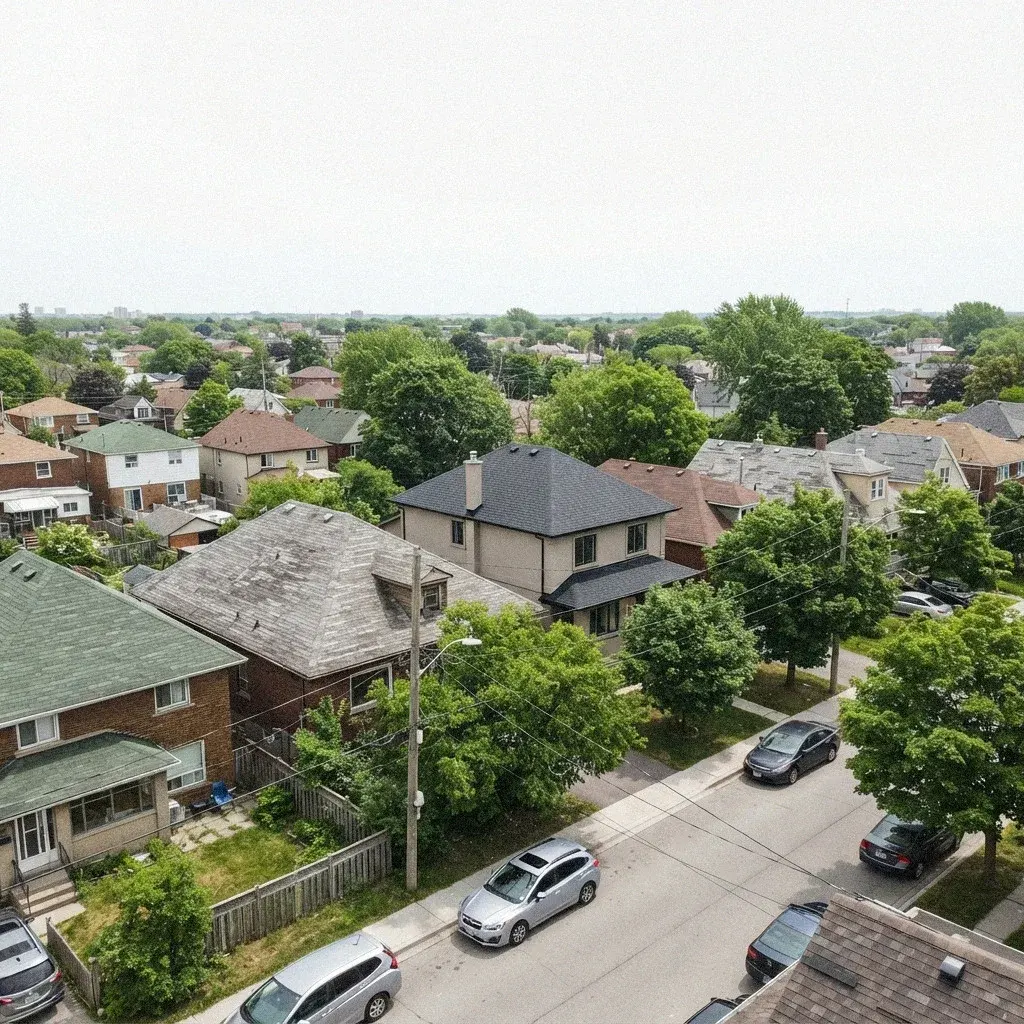
Availability plays into it too. Laminated shingles now dominate what's stocked and installed on houses across Minneapolis, from the bungalows near Diamond Lake to the foursquares in Prospect Park, so three-tab has become the less common special order in many cases. That shift is about supply and what homeowners are choosing, not a sign that three-tab has been phased out everywhere.
Spotting the Difference From the Street
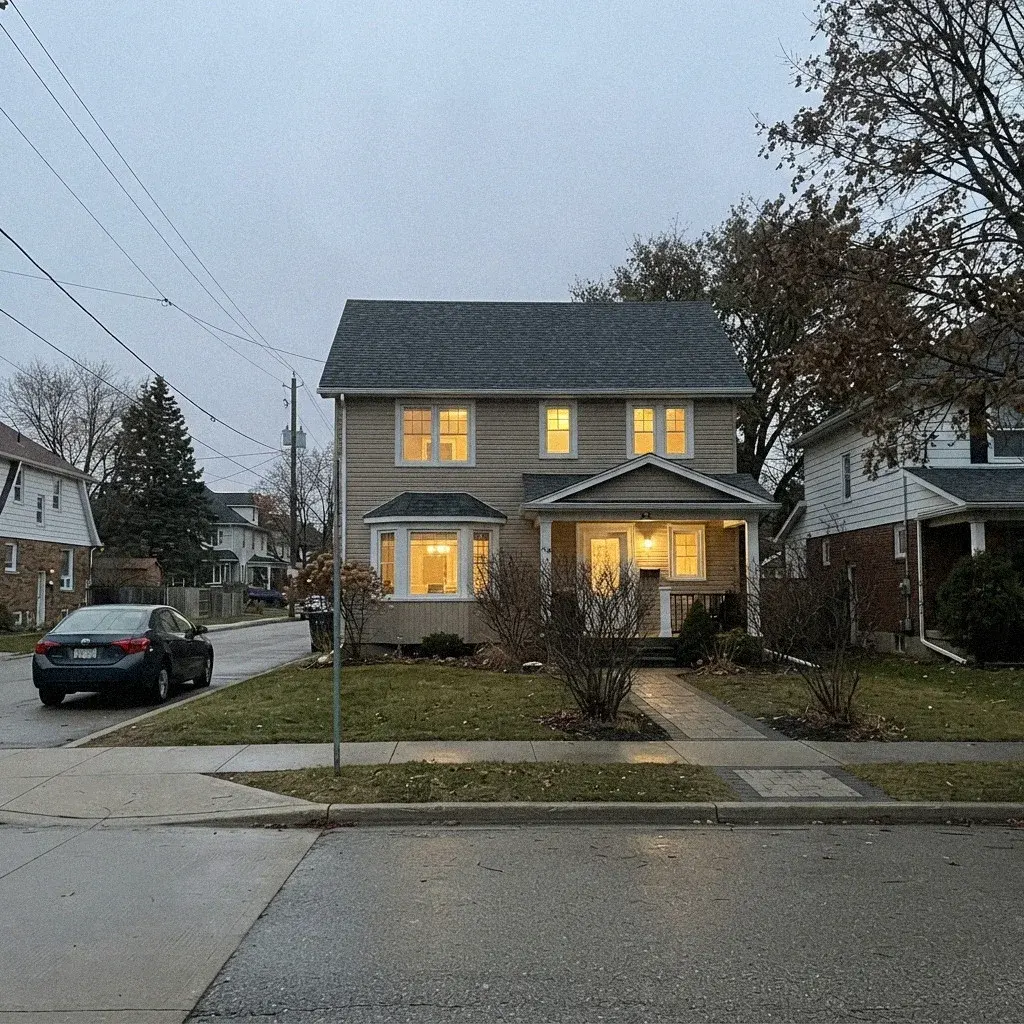
From the ground, the tell is texture. A laminated roof over a Colonial Revival home near Lake Harriet shows depth and a shadow line across the field of the roof. A three-tab roof looks flat and even, with visible horizontal tab lines running straight across. Once you know to look for the shadow line versus the flat cutout pattern, the two are simple to pick out from the street.
Weighing the Two Against Each Other
Neither type is right or wrong on its own; they solve different priorities. A homeowner near Powderhorn Park weighing a re-roof is really deciding between a heavier, thicker shingle with a longer stated warranty and a lighter, simpler one that costs less up front. Knowing the construction difference, not just the price tag, is what makes that decision make sense before a quote ever comes in.
Dealing with this in your home?
Minneapolis roofs carry the weight of two seasons pulling in opposite directions. Bungalows near Kingfield and Longfellow trap heat in poorly vented attics, melting snow that refreezes at the eaves into ice dams. Come summer, hail off a Hennepin County thunderstorm can strip granules city-wide, no matter the neighborhood.