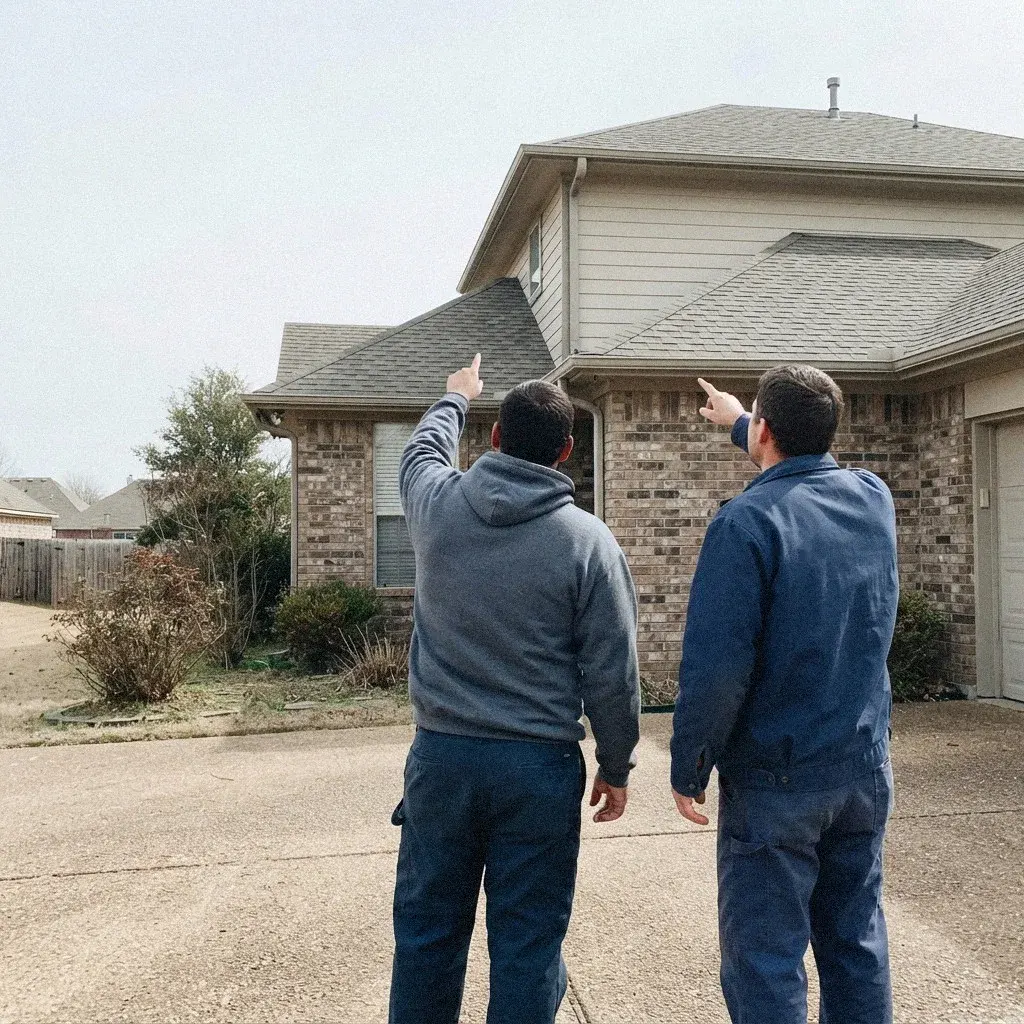
Vetting and Hiring a Minneapolis Roofer
How to check credentials, compare bids, and structure a contract before signing anything.
Vetting a Minneapolis roofer means confirming registration, insurance, and bonding before signing anything, comparing bids on identical scope, and putting payment terms, lien releases, and warranty details in writing.
Registration and Insurance First
Minnesota licenses roofing contractors at the state level, not through Minneapolis city hall. Under Minnesota Statutes section 326B.805, anyone contracting directly with a homeowner for roofing work on a one-to-four unit property must hold a license as a residential roofer, residential building contractor, or residential remodeler through the Department of Labor and Industry. That single fact should shape how a Kenwood or Longfellow homeowner starts vetting a bid.
A contractor registration number by itself only confirms the state knows the business exists. It says nothing about whether that business carries insurance today, has paid its bond, or has a history of complaints. Treat the license as the first filter, not the only one. A Fulton or Seward homeowner comparing two bidders should ask both for the same paperwork before ranking price or timeline.
Subcontracted labor complicates this. A crew working under someone else's registration does not need its own residential roofer license, but it does mean the licensed party bears responsibility for that labor's work. Ask directly whether the crew on your Tangletown or Powderhorn Park roof is employed by the company you signed with or subcontracted labor brought in for the job.
Comparing Bids on the Same Scope
A permit for reroofing in Minneapolis is typically pulled by the contractor doing the work, not the homeowner, and the city ties that filing to the license on record. Before signing anything, ask who holds the permit and confirm their contractor registration status with the Minnesota Department of Labor and Industry. A crew working without registration, or one that hands the job to subcontracted labor without telling you, leaves a Minneapolis homeowner holding the risk if something goes wrong on the roof.
Workers compensation matters most when something goes wrong on a steep bungalow roof in Linden Hills or a foursquare in Tangletown. Without it, an injured worker's medical bills can become the homeowner's liability through a property claim. A surety bond is a separate protection, covering financial harm if the contractor fails to complete work or pay suppliers, and Minnesota's registration program is where that bond status lives.
- General liability and workers' compensation coverage are the first two things to ask for, in writing, from the insurer rather than from the contractor. Without them, an injury or a damaged neighbor's car on your Minneapolis job can land back on your homeowner policy.
- A surety bond is a separate protection from insurance. It gives you a place to file a claim if the contractor walks off a job near Powderhorn Park or does substandard work they refuse to fix.
- Confirm registration status directly rather than trusting a business card. A contractor who hesitates when asked, or offers a certificate that has since lapsed, has told you something important before a single shingle gets touched.
- If subcontracted labor will be on your Tangletown or Fulton roof, ask who is actually insured for that specific crew, since a general contractor's own coverage does not automatically extend to every subcontractor they bring in.
- Manufacturer certification matters most when the warranty being sold depends on it. A shingle warranty tied to a certified installer is worthless if the crew on your roof near Diamond Lake never earned that status.
- None of this replaces asking for references and job history. A contractor who has done real roofs in Linden Hills or Bryn Mawr recently can point you to them without hesitation.
Contract Terms Worth Reading Twice
Two bids on the same Minneapolis roof rarely mean the same job unless you force an apples-to-apples bid: same tear-off scope, same underlayment, same flashing detail, same manufacturer certification for the shingle line quoted. Ask each contractor to break out labor and material the same way so the numbers compare cleanly. A low number that skips flashing replacement around a chimney or valley on an older bungalow roof is not a deal, it is a change order waiting to happen once the tear-off starts.
A written scope of work should specify shingle brand and line, not just "asphalt shingles," along with underlayment type, flashing details at chimneys and valleys, and whether existing decking will be inspected or replaced if rotted. Vague language here is where change orders creep in later. A homeowner in Prospect Park or Marcy-Holmes comparing three quotes should line up these details side by side before signing anything.
- An apples-to-apples bid means every contractor priced the same scope of work: same underlayment, same ventilation approach, same tear-off versus overlay decision, not three different jobs wearing one price tag.
- Line up bids by material brand and quantity, not just a bottom-line number. A lower bid on a Seward foursquare that skips ice-and-water protection at the eaves is not actually the cheaper option once problems show up.
- A written contract should spell out start and completion windows, cleanup responsibility, and what happens with a change order if hidden decking damage turns up once the old roof comes off.
- Payment structure matters as much as price. A reasonable draw schedule ties payments to completed stages, not a large deposit upfront before materials are even ordered for your Whittier or Uptown project.
Payment Schedule and Lien Releases
A written contract should spell out the draw schedule before a deposit changes hands. Minneapolis homeowners should be wary of any request for full payment upfront, since a legitimate roofing job is paid in stages tied to work completed, not promises. Ask for a lien release with the final payment so a supplier or subcontracted crew can't file a claim against the property later. Keep the certificate of insurance on file for the length of the project, covering both general liability coverage and workers compensation.
Change orders happen when hidden decking damage or an unexpected flashing problem shows up mid-job, and the contract should require any change order to be written and priced before the work proceeds, not added to a final invoice as a surprise. A homeowner in Diamond Lake or Keewaydin should read this clause before signing, not after a crew is already on the roof.
| Document | What It Proves | Who Provides It |
|---|---|---|
| Signing the contract | Small deposit only | Materials not yet delivered to the house |
| Materials delivered on site | Second draw payment | Confirm delivery before releasing funds |
| Tear-off and install complete | Near-final payment | Walk the roof and gutters first |
| Final sign-off and cleanup | Remaining balance due | Get the lien release before this check clears |
| Subcontracted labor used | Same schedule applies | Ask who signs the lien release |
References, Certification, and Red Flags
A lien release matters because subcontracted labor and material suppliers can, under some circumstances, place a lien against a property if they are not paid, even if the homeowner already paid the general contractor in full. Ask for a lien waiver tied to final payment so a Como or St. Anthony West homeowner is not caught between a paid invoice and an unpaid supplier months later.
Manufacturer certification is worth asking about when a warranty is part of the pitch, since some shingle manufacturers only extend their strongest coverage to installers they have certified. This is separate from the state license and from insurance. A homeowner near the Mississippi River in Marcy-Holmes or St. Anthony East should ask which manufacturer the contractor is certified with, and for how long.
Warning Signs You Should Walk Away
References and job history matter more than a glossy folder. Ask for addresses of recent roofs in Minneapolis neighborhoods like Kingfield, Longfellow, or Tangletown, and call those homeowners directly. A contractor who hesitates, or who leans on high-pressure sales tactics to get a signature before you've checked a surety bond or made a single call, is telling you something about how the rest of the job will go.
High-pressure sales tactics are a warning sign on their own, separate from any specific document being missing. A bid that must be signed today, a deposit demanded in cash, or a contractor who cannot produce a certificate of insurance on request are all reasons to slow down. The licensed pros we connect you with can produce registration, insurance, and a written scope without hesitation.
What To Have In Hand
- A lien release matters even when you paid the general contractor in full. Without one, a supplier or subcontracted labor crew could still file a claim against your property near Como or Cooper.
- Ask how long the company has worked in the Twin Cities metro, not just how long it has existed nationally. A contractor new to Minneapolis winters may not price ice dam prevention the way a local crew would.
- A verbal promise about warranty coverage is not the same as a written one. Get any manufacturer certification claim and its coverage terms spelled out in the contract itself, not just in the sales conversation.
- High-pressure sales tactics, like a price that expires today or pressure to sign before you've compared a second bid, are worth walking away from regardless of how reasonable the number sounds on a North Loop or Bryn Mawr job.
- A deposit larger than roughly a third of the total contract price is worth questioning. Minnesota homeowners have leverage before signing that disappears once a large sum has already changed hands.
- Get the whole scope on one page before comparing prices: layers off, underlayment, ice and water membrane at the eaves, flashing, ventilation, product line, and cleanup. Two bids that differ by thousands often differ because one of them left something out.
Frequently Asked Questions
How do I confirm a roofer's Minnesota license?
Ask for the Minnesota Department of Labor and Industry license number and confirm it directly through the state, since Minneapolis does not license residential roofers itself. Then ask for a current certificate of insurance naming your address, and confirm workers compensation coverage. A contractor who hesitates on either request is not one to hire for a roof in Minneapolis.
What should a certificate of insurance actually show?
In Minneapolis, the roofer doing the work applies for the building permit, not the homeowner, since the city requires one for all roofing jobs. Confirm this before signing anything. A licensed pro pulling their own permit is one sign the outfit is set up to answer for the job, not just collect a deposit and disappear.
Is a deposit before work starts normal?
Yes. The city's construction permit page is explicit that repair work, not just full replacement, falls under the same requirement, even on a Kingfield bungalow patch job. There is no small-job carve-out described in the city's published guidance, so a contractor skipping this step for a minor repair is cutting a corner worth questioning.
What happens if my roofer subcontracts the labor?
The city has not published a fee schedule detail we can confirm, so do not take a contractor's word on the exact cost. Ask them to show the permit application itself, or a screenshot of the submission, rather than just naming a dollar figure verbally. A written scope of work should reference the permit as a line item.
Why do I need a lien release at the end?
Ask to see the application itself, or a copy once it is filed, rather than taking a verbal yes. A Longfellow or Seward homeowner can also call the city's Construction Permit Services line directly. If a bid seems to skip this step entirely, treat it as a warning sign worth a second question before any deposit changes hands.
Ready to compare bids the right way?
Want a bid checked before you sign? Talk to the licensed pros we connect you with first.
Call (612) 493-0152