Materials & Types
Why Minneapolis Roofs Age Faster Than Expected
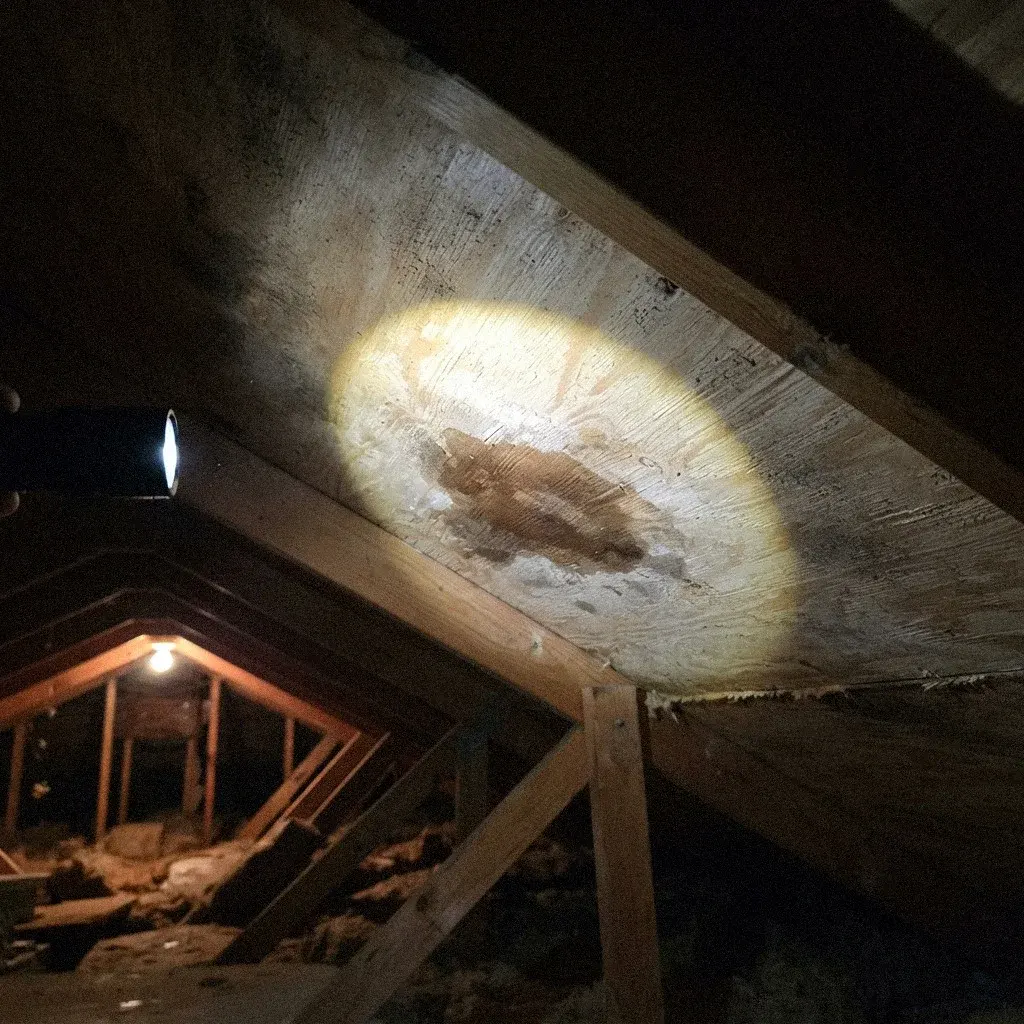
Shade, trapped debris, weak flashing, and stale attic air all wear down a Minneapolis roof faster than age alone. Here is how each one actually works.
Read article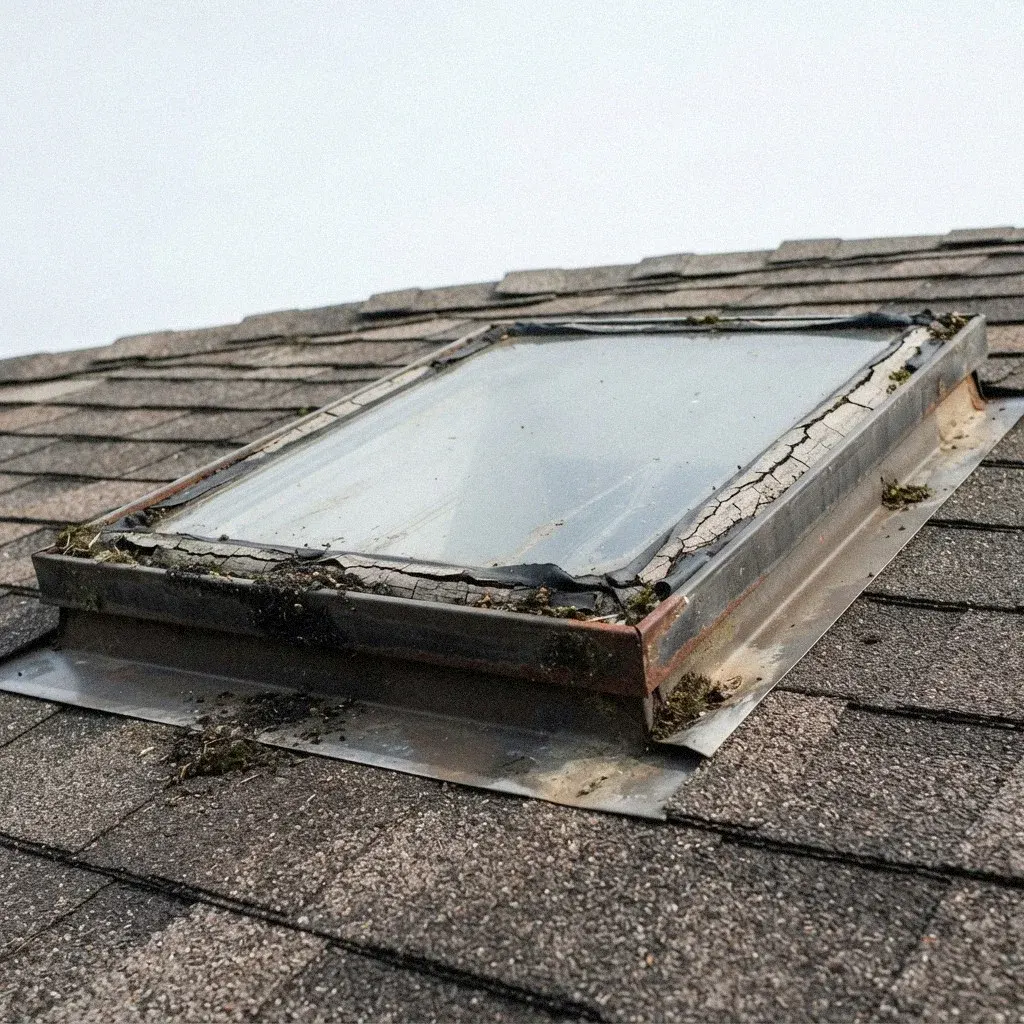
Fix the leak before the next Minneapolis freeze-thaw cycle. Licensed pros, fast answers, no guesswork.
Skylight repair Minneapolis, MN starts with one question: is it a leak or just condensation? The two look the same on a ceiling but need different fixes.
Call now and we'll connect you with a local licensed pro who can tell which one you have and fix it right.
Skylight installation services mean a local licensed pro sets a new unit on the curb or deck and flashes it into your shingle courses. The flashing has to match your roof, not a generic kit bent into place.
Asphalt shingle covers most Minneapolis roofs, so the flashing apron has to match that shingle course. Steep roofs shed snow fast, so the flashing also has to handle meltwater refreezing at the curb edge each winter.
The best time to put in a new unit is during a reroof, when the roof is already open and there is no second trip.
Skylight repair and replacement comes down to one call: reflash if the glass and seals are sound, replace the unit if the glass is fogged, the frame is warped or an old dome has gone brittle. Skylight replacement services start with a look at where the water is really coming from.
Reflashing is the cheaper job when the roof leak traces to the metal around the curb. New flashing on a failing skylight buys very little.
A unit old enough that its seals have given up usually has flashing near the end too, so doing both at once opens the roof once instead of twice. Don't wait for the next freeze-thaw to find out.
A ring or streak where the light well meets the ceiling can be a leak or condensation. A leak starts higher and keeps moving while it rains or snow melts, while condensation marks the lowest point on the coldest nights.
Cloudy or milky glass between the panes means the sealed unit's gasket has failed. That needs a new sealed unit, not a flashing repair.
Rusted flashing edges or a cracked sealant bead often show up well before the rest of the roof needs attention. Freeze-thaw cycling and standing snowmelt wear flashing out on its own schedule.
Debris in the track, a hardened gasket or a loose crank can often be repaired. A warped frame or swollen sash means the unit has to be replaced.
The glass, seals and frame get checked separately from the curb, flashing and shingles above. The shaft is checked from inside to see how far any staining reaches.
Water that runs during rain or snowmelt and starts high in the shaft is a leak. Water that appears on cold clear nights and pools at the low point is condensation, which is a ventilation and insulation problem.
A sound unit gets new flashing lapped into the shingle courses. A fogged, warped or brittle unit comes out and a new one is set on the curb and flashed.
A water test over the curb is watched from inside, and the shaft is checked for insulation and sealing. Photos and flashing kit paperwork go on file in case of a warranty question.
Many older Minneapolis bungalows and foursquares, including homes near Diamond Lake and Kingfield, have skylights cut in decades after the original roof. With about 51 inches of snow a year and constant freeze-thaw cycling, a skylight here needs attention on its own schedule, separate from the roof.
Asphalt shingle covers most Minneapolis roofs, so the flashing apron around a curb-mounted or deck-mounted skylight has to match that shingle course. Steep roofs on foursquares and Queen Anne homes in Linden Hills and Fulton shed snow fast, so the flashing must handle meltwater refreezing at the curb edge.
A skylight rarely wears out on the same clock as the shingles around it. Ice dams push meltwater back under the flashing apron, so a unit that looked fine in July can leak at the head by March, which is why a pro checks the seal and flashing separately.
Ballpark pricing for skylight repair & replacement around Minneapolis. Nothing is charged until you have a written estimate in hand.
| Roof System | Access Points | Winter Exposure |
|---|---|---|
| Shingle manufacturer warranties and a contractor's labor warranty cover two different failure points, not one. The shingles can be sound while flashing or nailing pattern fails, and knowing which warranty answers for which problem matters before a leak shows up, not after. | Attic checked for ice dam damage, written report only | an estimated $280–$3420 |
| Labor warranty length varies by contractor, sometimes a year, sometimes longer. Ask directly what happens if a leak appears after that window closes. A hedging answer to that one question says more than the sales pitch that came before it. | Old shingles stripped, valleys rebuilt, deck repaired only where soft | an estimated $400–$4680 |
| Manufacturer shingle warranties usually require correct installation to hold. A rushed nailing job or wrong flashing detail can void that coverage even when the shingles themselves were never defective, which is exactly why the installer's own labor warranty matters separately. | Tear-off, attic baffles installed, no basement or foundation work included | an estimated $520–$6480 |
| Get warranty terms written down before the tear-off starts, not after the crew has already left the Twin Cities metro for the next job. A verbal promise about what's covered means nothing once there's a dispute over what actually failed. | Full reroof, new gutters sized for cloudburst runoff, downspouts rerun | an estimated $720–$9360 |
A low bid usually means a shortcut, not savings. Skipping ice-and-water barrier, proper flashing, or full tear-off disposal costs the crew money, so a number well below everyone else's is a sign something got left out of the scope, not a sign of a better deal.
Water that shows up only during or right after a storm usually means wind-driven rain is slipping past the flashing apron. It can also be meltwater backing up under the flashing during a freeze-thaw stretch. A dry-day check for fogged glass or a failed gasket helps rule out condensation.
Reflash if the glass and seals are sound and the leak traces to the metal around the curb. Replace the unit if the panes are fogged, the frame is cracked or an older acrylic dome has gone brittle. Doing both at once means opening the roof once instead of twice.
Usually yes, because a skylight swings from the coldest surface in the ceiling in January to direct sun in July. Its seals, gaskets and flashing cycle harder than the shingles around it. That's why a skylight put in at the last reroof is often the first thing to leak.
Almost always, if the unit has any age on it. The flashing has to come off during a tear-off anyway, and reusing old metal around an old unit is the part most likely to fail first. A leak later means cutting into shingles you just paid for.
Often yes. Debris in the track, a hardened gasket, a crank or chain out of adjustment, or a rain sensor holding it open are all repairs. A warped frame or a sash swollen out of square is not, and a skylight that won't seal loses heat all winter and lets condensation form in the shaft.
Skylight repair & replacement in this area typically falls between an estimated $400–$3600 per job. The free inspection is what turns that range into an exact number, and you see it in writing first, with the per-sheet rate for any bad decking on it.
A full basement is standard under most older Minneapolis houses, and that matters for a roof more than people expect. Water that a damaged roof lets in has a long way to travel down through a bungalow or foursquare, and it often shows up as a basement problem before anyone connects it to the roof.
Shade, trapped debris, weak flashing, and stale attic air all wear down a Minneapolis roof faster than age alone. Here is how each one actually works.
Read article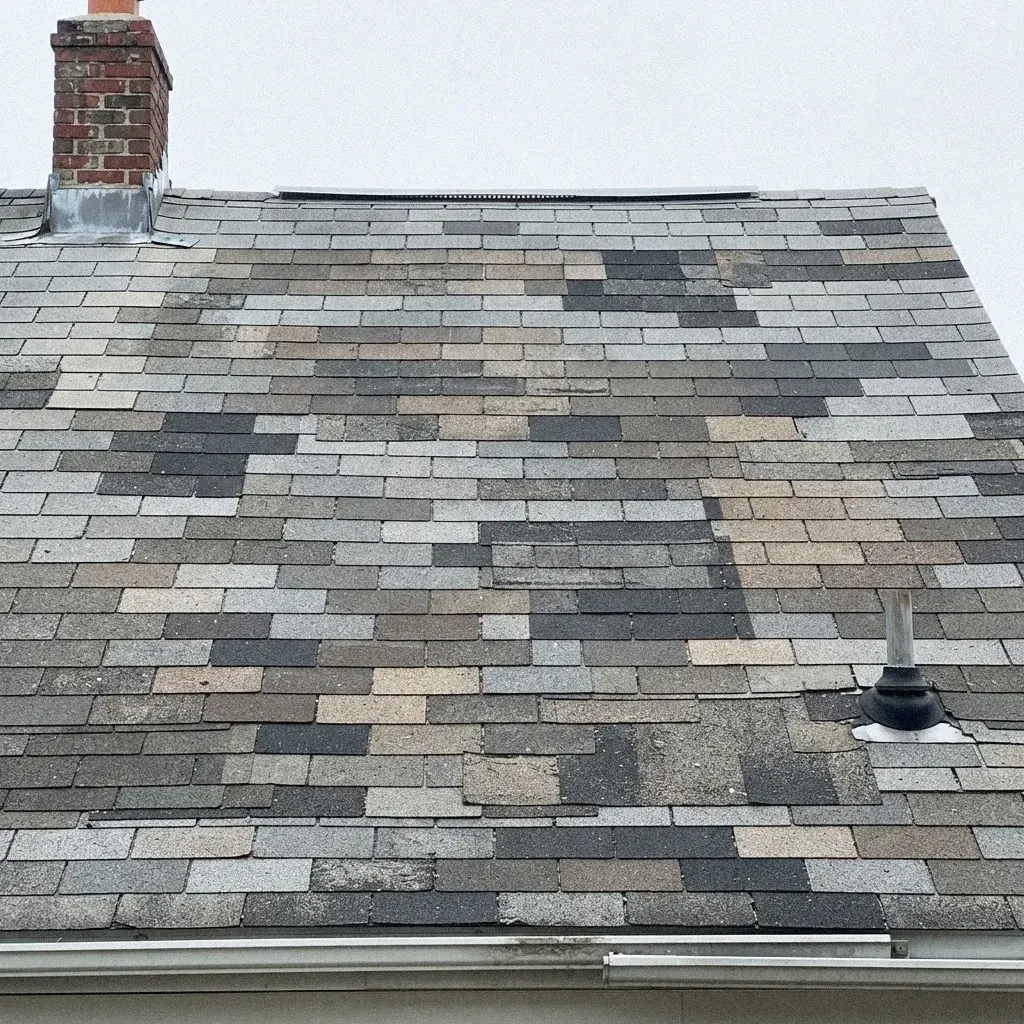
A spring walkaround shows what a Minneapolis winter left behind: missing shingles, loose flashing, ice dam staining in the attic, and a punch list worth building before storm season.
Read article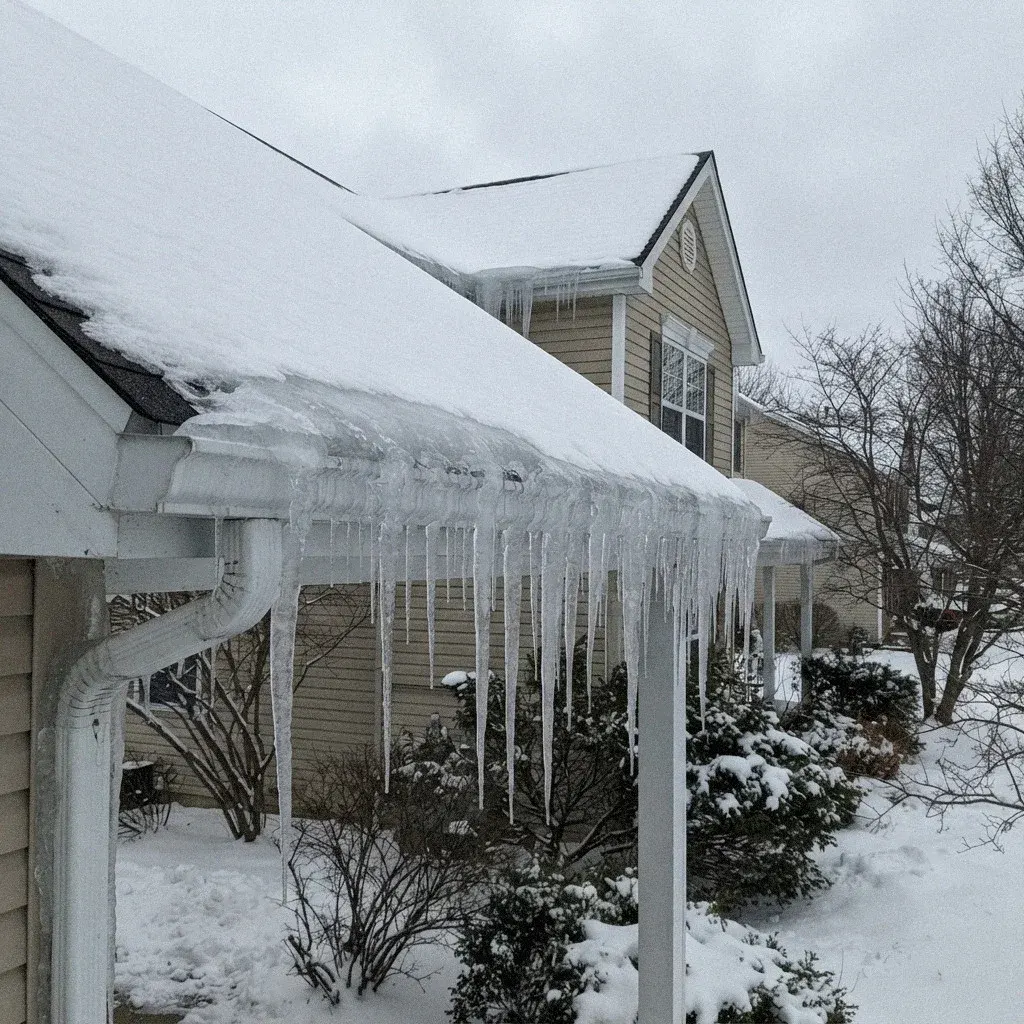
A hard freeze does more to a Minneapolis roof than the cold alone suggests. Shingles stiffen, sealant cracks, gutters lock with ice, and the roof itself becomes something nobody should walk on.
Read articleThis page explains what the work generally involves, but no two Minneapolis roofs age the same. A bungalow near Linden Hills with decades of shingle layers behaves differently than a roof replaced after wind damage near Prospect Park. Attic ventilation, pitch, and how much ice dam trouble a house has seen all change what this service means for your address. The licensed pros we connect you with can tell you how it applies to your roof specifically.
Call (612) 493-0152