Materials & Types
Living With A Cedar Shake Roof in Minneapolis, MN
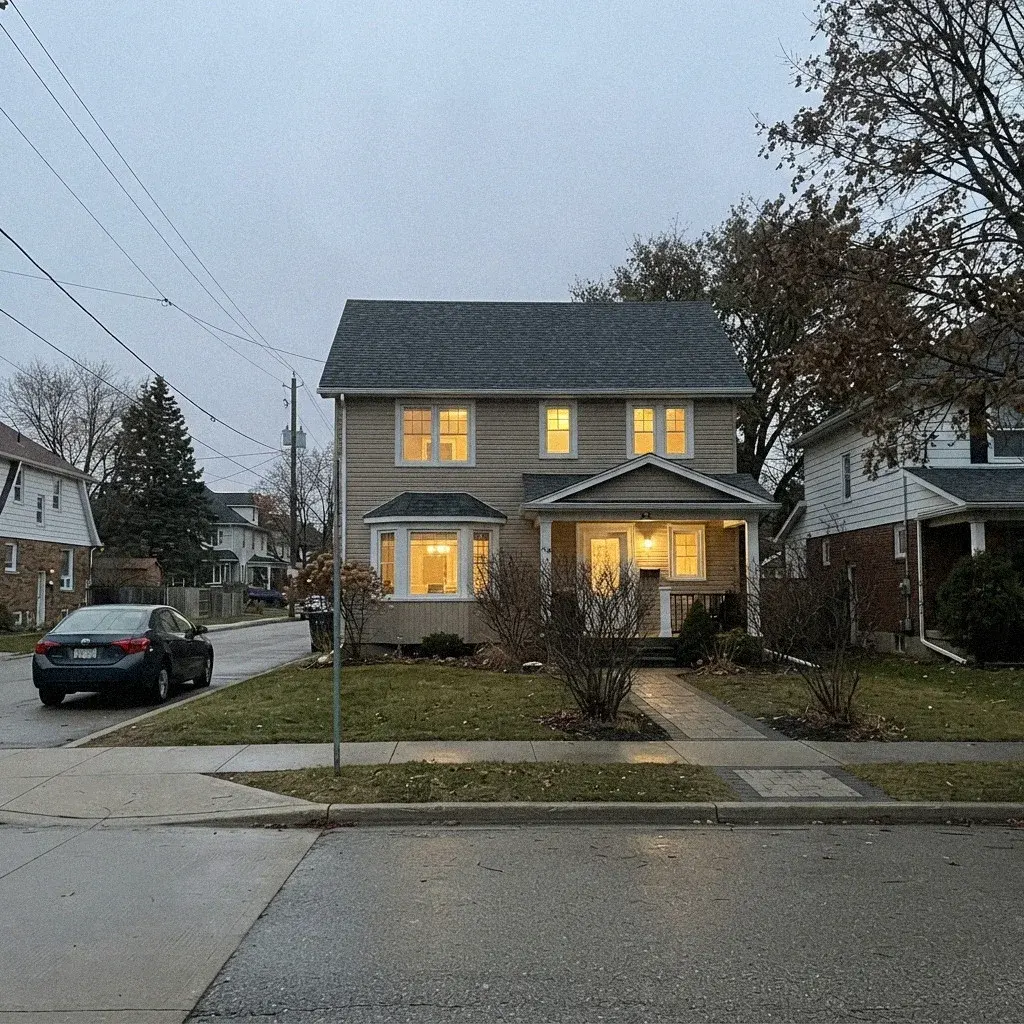
Cedar shake ages by its own rules in Minneapolis. What cupping, splitting, and checking actually mean, and when individual repair stops being enough.
Read article
A photographed, documented look at your roof's real condition, from the shingles to the deck underneath.
Roof inspection Minneapolis, MN homeowners can book starts with a licensed pro who checks your shingles, flashing, attic and sheathing. You get a written photo report afterward, not a quick chat on the driveway.
Call (612) 493-0152 to book a roofing inspection before the next storm or before you list your house.
Roof inspection cost in Minneapolis is laid out in our pricing guide, so you can see the numbers before you call.
A paid inspection earns its cost by documenting the deck and the service life left, which you can't judge from the sidewalk.
The report should not include a price for the work from the same company. That lets you hand one independent document to two roofers and compare their numbers honestly.
Granule buildup in the gutters after a hard winter means the shingles are wearing. Get the roof checked before the next thaw.
Look at the valleys and roof edges once the freeze-thaw cycle eases up. Lifted shingles there let meltwater work underneath.
A patch around a chimney or old vent stack can hold for years, then let go at the seam during a thaw. An inspection checks those spots before they become a ceiling stain.
A buyer's inspector will end up on your roof anyway. A pre-sale inspection gives you the condition report first, with no surprises in negotiation.
Call (612) 493-0152 and we connect you with a local licensed pro.
The pro checks shingles, valleys, flashing around penetrations, and gutters for granule loss or sagging.
Where the attic is reachable, the pro checks insulation, soffit and ridge vent balance, and the underside of the sheathing for staining. A moisture meter reads dampness inside the sheathing without cutting it, with extra attention on the eave line where ice dam water goes.
You get a report with the punch list ranked by urgency, any moisture readings, and maintenance notes for items that can wait until next season.
Decades of freeze-thaw cycling work on Minneapolis shingles, flashing and attic ventilation all at once, so a roof can look fine from the yard while the deck is already compromised. A documented inspection catches that before a leak forces the issue.
Minneapolis roofs carry roughly 51 inches of snow most years, and the melt-refreeze cycle does the damage, not the snow itself. Meltwater backs up behind ice at the eaves and works under shingles, so an inspection after that stretch catches lifted shingles and staining while they're still a repair, not a leak.
Bungalow and foursquare attics often have soffit intake that hasn't kept pace with later insulation upgrades, and blocked soffits force ice dams at the eaves. Moisture readings on the sheathing show whether that imbalance has already done damage, which the exterior check alone can't tell you.
Here is roughly what roof inspection runs locally. Treat it as a guide — the property itself decides where inside the range you land.
| DLI License | Insurance Proof | Payment Terms |
|---|---|---|
| A Minnesota residential roofer license means the Department of Labor and Industry has checked bonding and liability coverage before that contractor touches a roof in Minneapolis. That status is verifiable ahead of time, and it tells a homeowner more about staying power than a sharp-looking truck wrap ever will. | Flashing resealed around chimney and vents, shingles left alone | an estimated $105–$475 |
| Liability coverage runs two directions on a reroof: it pays for damage if flashing gets torn up or a skylight cracks mid-job, and it keeps a fall injury off the homeowner's own policy. Ask to see the certificate directly, not just hear that coverage exists somewhere. | Tear-off plus soffit vents added, no insulation added above attic | an estimated $150–$650 |
| A license number only helps if someone actually checks it against the state's records. Minnesota's licensing authority can confirm current status before a contract is signed, and that lookup takes a few minutes against the risk of finding out too late. | Full tear-off, deck replaced where rotted, ice barrier along all eaves | an estimated $195–$900 |
| A crew without the state roofer license can still turn out a roof that looks fine from Longfellow's sidewalks for a season or two. The gap shows up later, when a shingle warranty claim has no licensed contractor of record to honor it. | Foursquare-scale tear-off, permit filed with the city, haul-away included | an estimated $270–$1300 |
A deposit covering most of the job before work starts leaves you with little leverage if the crew is slow to return or the job stalls partway through. Tie payments to stages finished, not to the calendar.
The licensed pro checks the shingle surface, flashing at valleys and around chimney and vent penetrations, and gutter condition. Where the attic is accessible, they also look at insulation, ventilation balance, and sheathing for moisture staining. Every finding gets photo documentation in a written report.
There's no fixed schedule, but a roof past 15 to 20 years old, one with prior repairs, or one heading into a home sale is worth checking. Book right after the heavy snow season so ice dam damage is caught while it's still confined to the deck and flashing.
You get a written report with the date, dated photos tied to specific spots, and a note on each finding saying what it is and how urgent it is. It rates the roof field separately from the flashing and penetrations, since those fail on different timelines.
Yes, wherever there is attic access. The pro checks insulation depth, whether soffit and ridge vents move air as a balanced system, and any staining on the rafters or sheathing, with moisture readings where dampness is suspected.
Yes, it is usually worth it, because the buyer's inspector will find whatever is on the roof and you would rather know first. With a report in hand you can repair, price the house accordingly, or disclose, instead of facing a surprise mid-negotiation.
Roof inspection in this area typically falls between an estimated $150–$500 per job. The free inspection is what turns that range into an exact number, and you see it in writing first, with the per-sheet rate for any bad decking on it.
A roof in Minneapolis rarely gives out from one storm. It gives out from a winter that packed snow into an ice dam, then a spring thaw that found the gap that dam opened. Each freeze cycle after that widens the same weak spot until a ceiling stain finally makes the case plain.
Cedar shake ages by its own rules in Minneapolis. What cupping, splitting, and checking actually mean, and when individual repair stops being enough.
Read article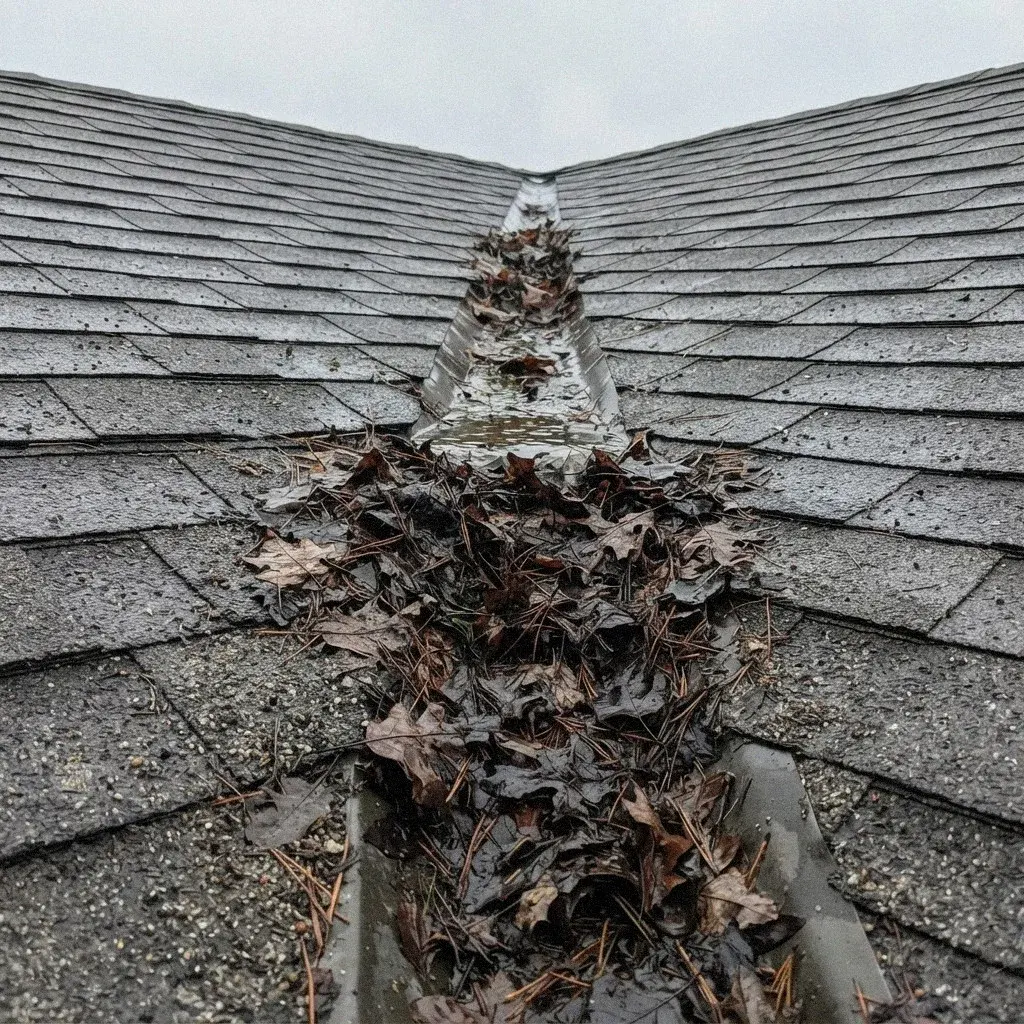
Leaf and needle litter piles up in valleys and behind chimneys on Minneapolis roofs, holding moisture long after a storm passes. Here's where it collects, what it does to shingles, and how to clear it safely.
Read article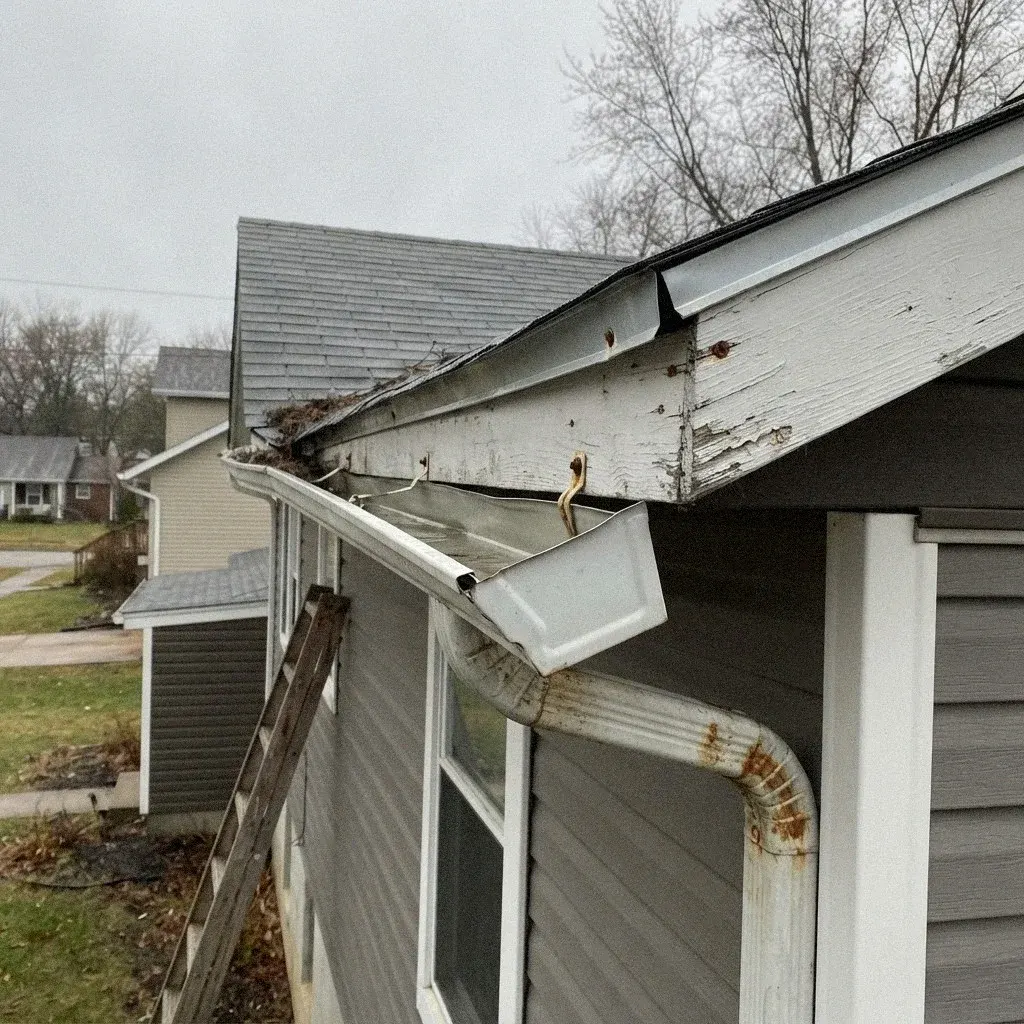
Spring storms move fast off the Mississippi River valley, and a Minneapolis roof either handles that first heavy rain or it doesn't. Here's the walkaround order that gets a roof ready before the rain settles in.
Read articleThis page explains what the work generally involves, but no two Minneapolis roofs age the same. A bungalow near Linden Hills with decades of shingle layers behaves differently than a roof replaced after wind damage near Prospect Park. Attic ventilation, pitch, and how much ice dam trouble a house has seen all change what this service means for your address. The licensed pros we connect you with can tell you how it applies to your roof specifically.
Call (612) 493-0152