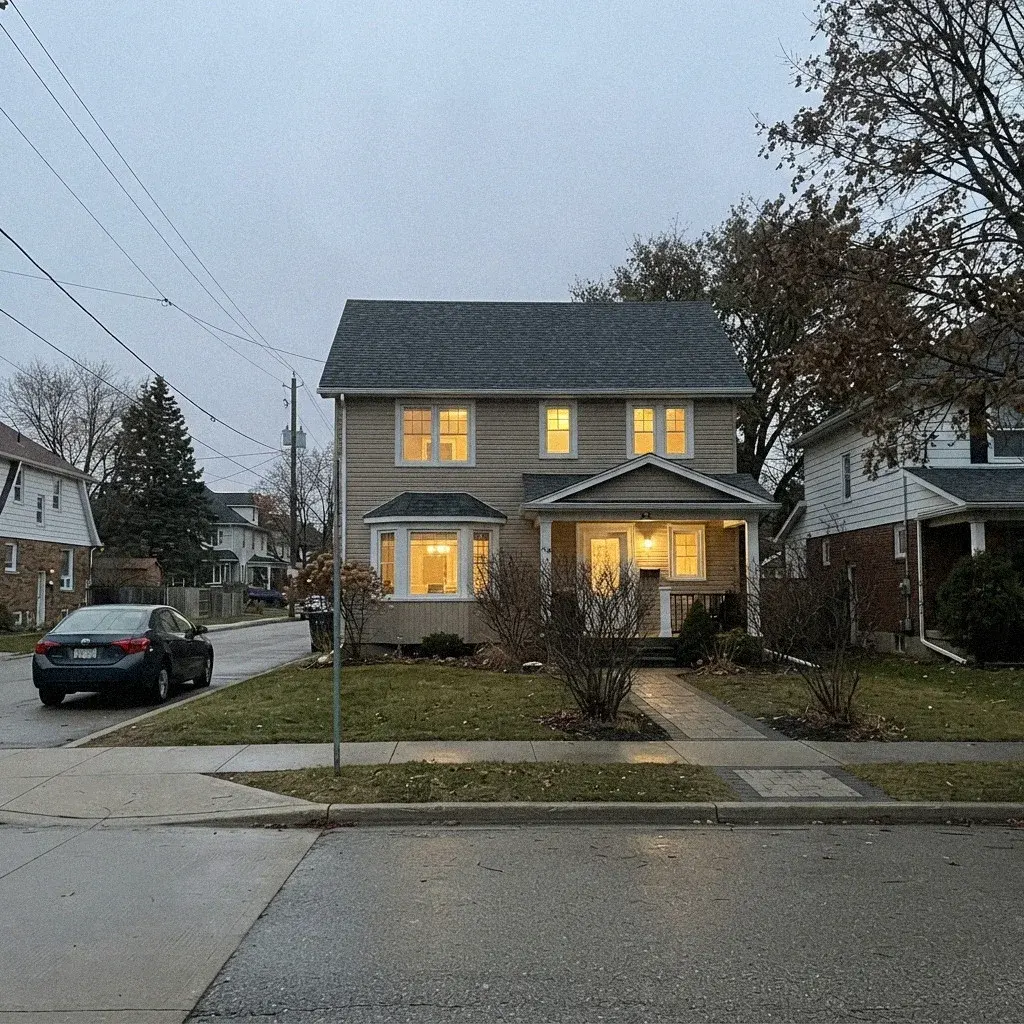
Materials & Types
Living With A Cedar Shake Roof in Minneapolis, MN
Cedar shake ages by its own rules in Minneapolis. What cupping, splitting, and checking actually mean, and when individual repair stops being enough.
Read article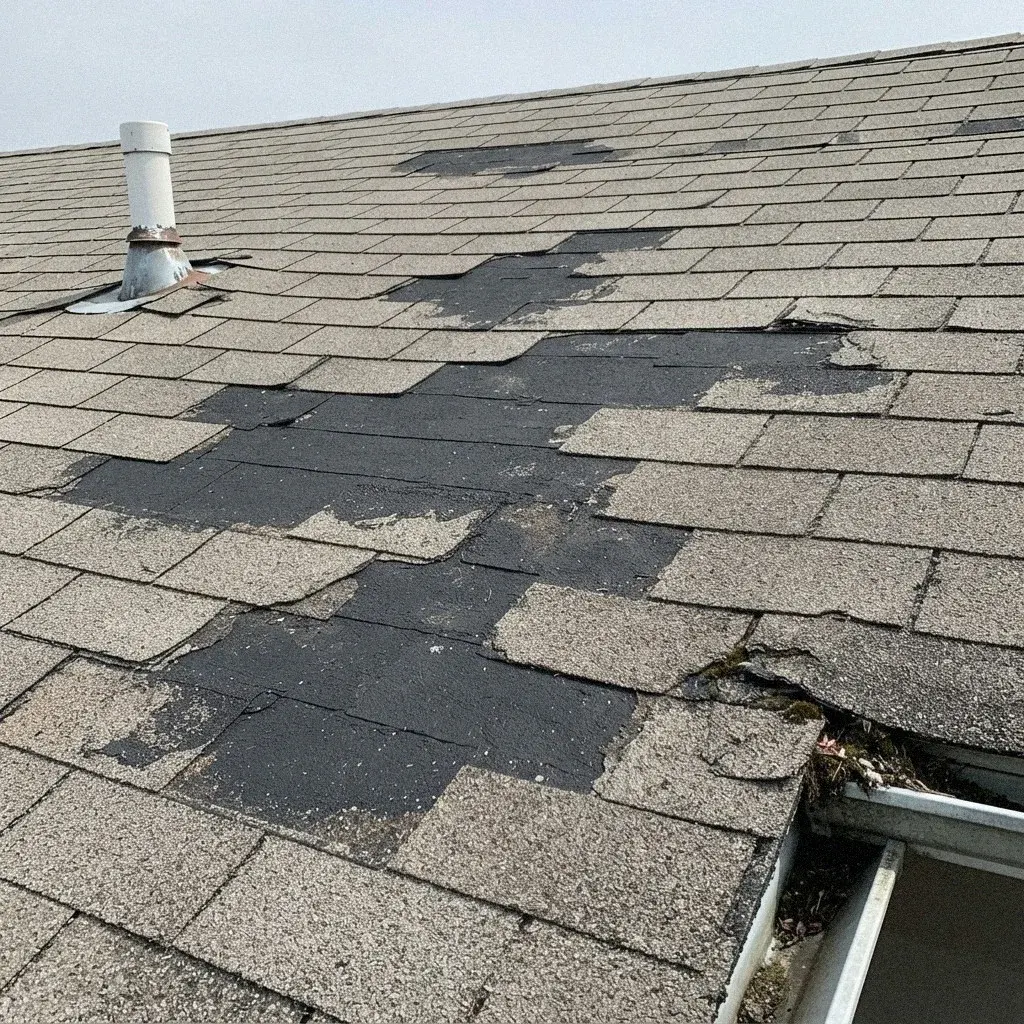
Local licensed pros fix the damaged spot, not the whole roof, and put the scope in writing first.
Roof repair Minneapolis, MN homeowners count on starts with a local licensed pro who writes the scope down before any work begins.
Cracked shingles, loose flashing and split pipe boots get fixed fast, so a small problem stays small. Call (612) 493-0152 and don't wait for the next storm.
The right roofing contractor in Minneapolis, MN is a licensed residential roofer, and Minnesota licenses them at the state level.
The licensed pros we connect you with handle the repair work, and you can check any license at dli.mn.gov before you say yes.
Emergency roof repair means stopping active water entry first, then scoping the permanent fix. Call now at (612) 493-0152 and we'll connect you with a local licensed pro.
A leaking commercial roof follows the same order: stop the water, then fix the cause.
Flat roof repair means finding the seam, puncture or low spot where water gets in and fixing that spot. That is how a pro fixes a flat commercial roof, including TPO.
Ponding water is a warning sign, because standing water finds every weak point in the membrane.
Townhouse roof repair starts by finding exactly which section of roof is damaged, then fixing only that part.
If your roof line is shared, tell the pro up front so the written scope shows what is covered and what isn't.
Roof and gutter repair belong together because the gutters carry water off the roof edge, right where ice dams form.
Minneapolis winters make ice dams routine, and summer cloudbursts test gutter and downspout capacity, so fix both in one visit.
A cracked tab or a corner lifted by wind is usually a spot repair, not a tear-off. If most of the roof is sound, replacing the damaged run is enough.
Exposed nail heads let water follow the nail down into the deck. Freeze-thaw cycles push loose nails up a little more each winter.
A cracked boot collar leaks on the next rain. Rubber gives out long before the shingles around it do.
Chimney or wall flashing that lifts from its counter-flashing is a leak waiting to happen. Resealing it fixes the problem without touching the rest of the roof.
A pro checks every slope for lifted shingles, loose flashing, failed sealant at the boots and worn valleys.
Sections, materials and shingle matching go in writing before work starts, so you know what's covered.
Damaged sections are replaced, flashing is resecured and boots are resealed or swapped, all in the same visit.
You walk the finished repair with the pro and see what was replaced. You also learn what to watch before winter.
Minneapolis roofs take winter ice damming at the eaves and summer hail from fast thunderstorms. On an older bungalow or foursquare, fixing small problems together now keeps roof age from catching up all at once.
The City of Minneapolis requires a building permit for all roofing and roof repair work. The scope of the job, not just its price, shapes what's required, whether you're in Fulton or Kingfield.
Shingles on an older Longfellow or Tangletown bungalow fade unevenly, so matching gets harder every winter. A repair at year three blends in, while one at year eighteen may leave a visible seam.
Ballpark pricing for roof repair around Minneapolis. Nothing is charged until you have a written estimate in hand.
| Roof System | Access Points | Winter Exposure |
|---|---|---|
| Shingle manufacturer warranties and a contractor's labor warranty cover two different failure points, not one. The shingles can be sound while flashing or nailing pattern fails, and knowing which warranty answers for which problem matters before a leak shows up, not after. | Attic checked for ice dam damage, written report only | an estimated $280–$2090 |
| Labor warranty length varies by contractor, sometimes a year, sometimes longer. Ask directly what happens if a leak appears after that window closes. A hedging answer to that one question says more than the sales pitch that came before it. | Old shingles stripped, valleys rebuilt, deck repaired only where soft | an estimated $400–$2860 |
| Manufacturer shingle warranties usually require correct installation to hold. A rushed nailing job or wrong flashing detail can void that coverage even when the shingles themselves were never defective, which is exactly why the installer's own labor warranty matters separately. | Tear-off, attic baffles installed, no basement or foundation work included | an estimated $520–$3960 |
| Get warranty terms written down before the tear-off starts, not after the crew has already left the Twin Cities metro for the next job. A verbal promise about what's covered means nothing once there's a dispute over what actually failed. | Full reroof, new gutters sized for cloudburst runoff, downspouts rerun | an estimated $720–$5720 |
Ask for the bid broken down into materials, labor, and disposal, not one flat total. A written breakdown is what lets you compare two contractors fairly and shows whether either price actually covers the full scope of the work.
The scope comes from what the roof shows: cracked shingles, loose nails, pulled flashing and brittle sealant. The pro fixes everything that has failed, not just the spot that stained a ceiling. The scope is written down before work starts.
On a newer roof, usually yes, with little color gap. A roof that has weathered a decade or more of sun and snow may show a faint line where old and new shingles meet, even with a close match.
A nearby shingle has curled, shifted or lost its seal, often from wind or ice dam pressure near the eave. Left alone, water tracks down the nail into the underlayment and deck. Fix it now, before it becomes a bigger job.
Not if the problem is contained. A valley, a boot or a section near a dormer is usually worth repairing, even on an older roof. Wear across most slopes is a different conversation.
The boot collar is rubber or plastic, and repeated freeze-thaw stress hardens and cracks it long before the shingles wear out. Once it splits, every rain finds the gap. It's one of the most routine repair calls in Minneapolis.
As a guide, roof repair here works out at an estimated $400–$2200 per job. A simple gable roof with good access sits at the bottom; a steep, cut-up roof with several dormers sits at the top. Nothing is charged until you have approved a written estimate.
A full basement is standard under most older Minneapolis houses, and that matters for a roof more than people expect. Water that a damaged roof lets in has a long way to travel down through a bungalow or foursquare, and it often shows up as a basement problem before anyone connects it to the roof.
Cedar shake ages by its own rules in Minneapolis. What cupping, splitting, and checking actually mean, and when individual repair stops being enough.
Read article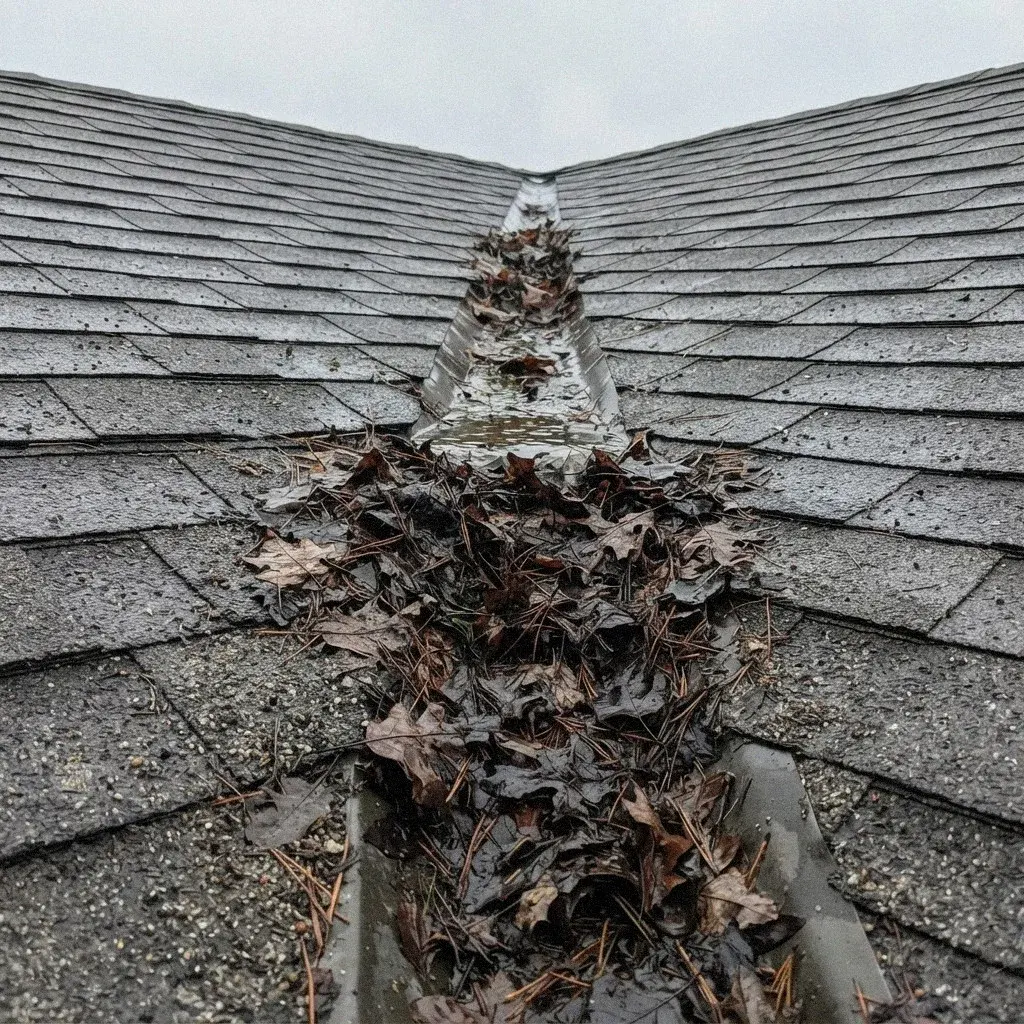
Leaf and needle litter piles up in valleys and behind chimneys on Minneapolis roofs, holding moisture long after a storm passes. Here's where it collects, what it does to shingles, and how to clear it safely.
Read article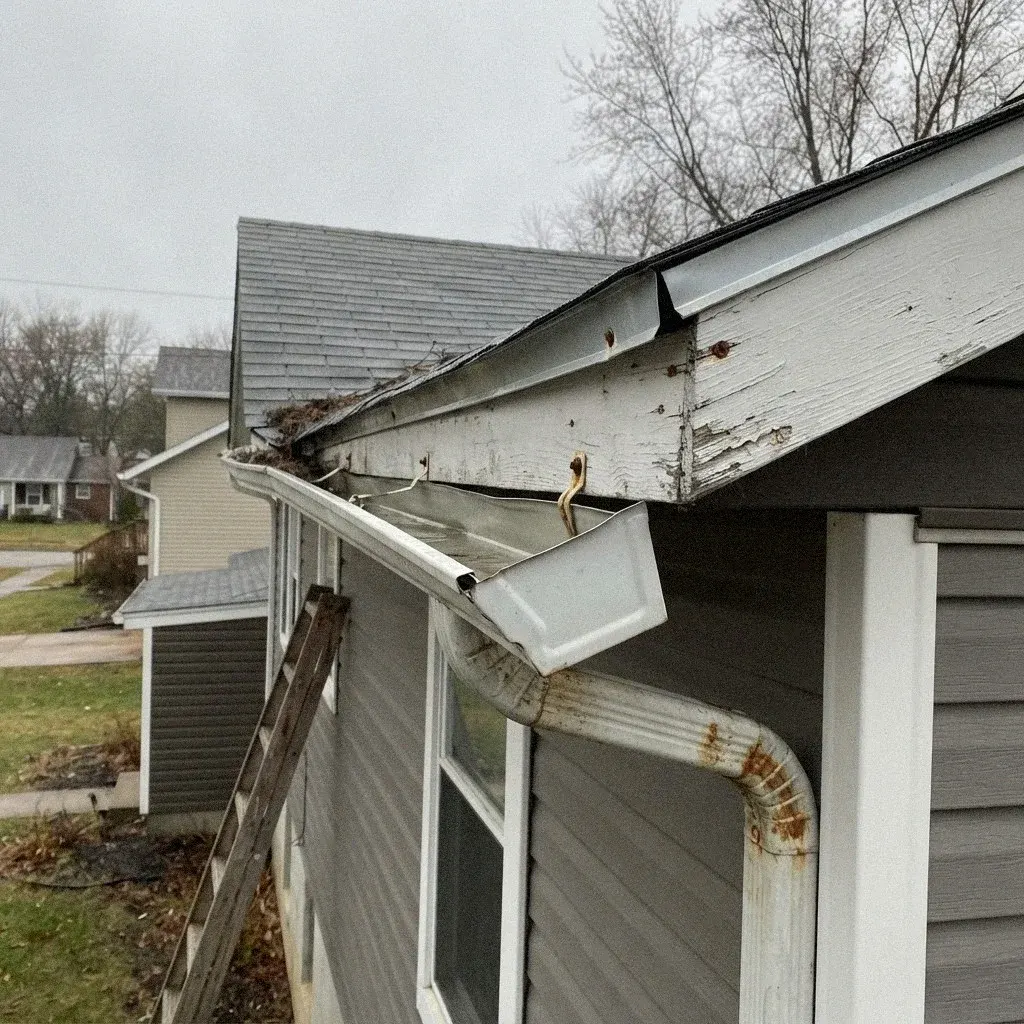
Spring storms move fast off the Mississippi River valley, and a Minneapolis roof either handles that first heavy rain or it doesn't. Here's the walkaround order that gets a roof ready before the rain settles in.
Read articleThis page explains what the work generally involves, but no two Minneapolis roofs age the same. A bungalow near Linden Hills with decades of shingle layers behaves differently than a roof replaced after wind damage near Prospect Park. Attic ventilation, pitch, and how much ice dam trouble a house has seen all change what this service means for your address. The licensed pros we connect you with can tell you how it applies to your roof specifically.
Call (612) 493-0152