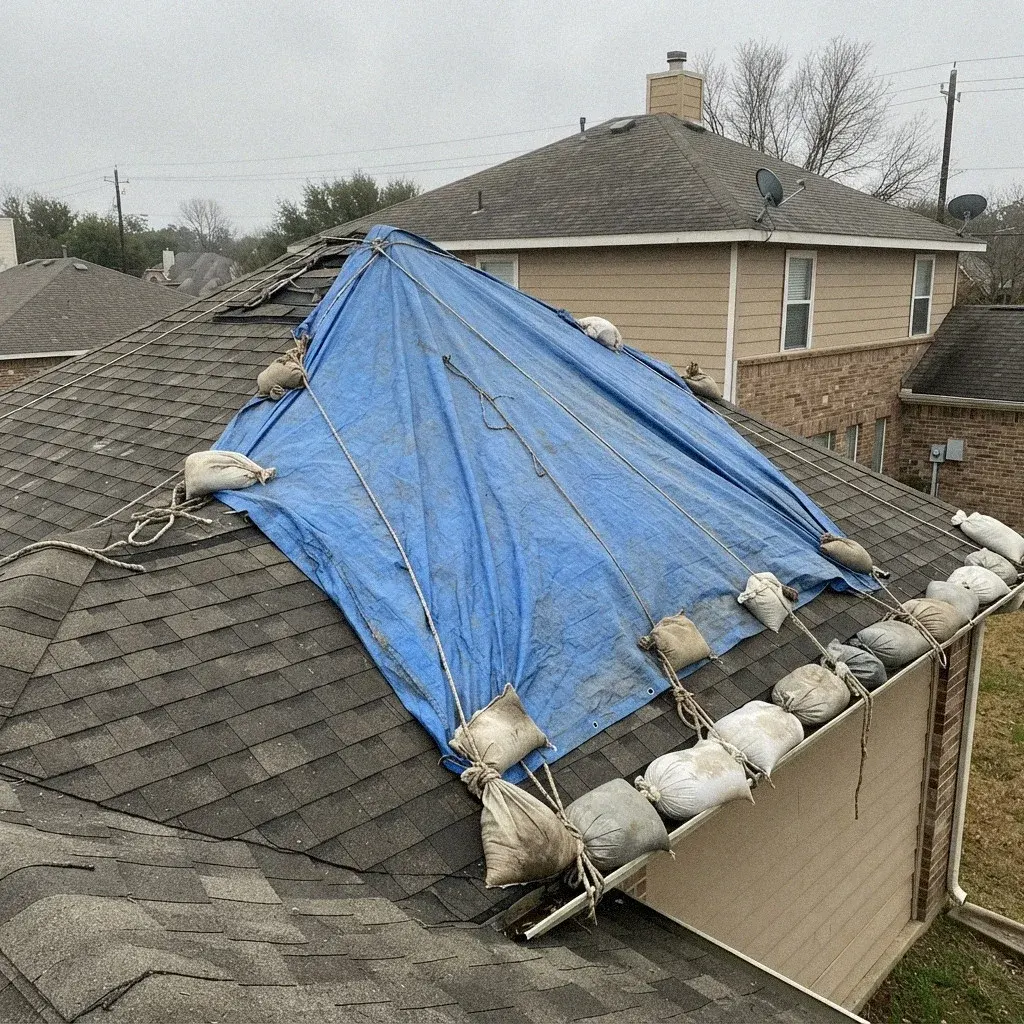
Emergency Roof Tarping
An open roof covered and anchored today, before the next rain finds it.
Learn about Emergency Roof TarpingRiver-bluff bungalows and Foursquares, not a postwar grid.
Longfellow runs along the Mississippi River bluff southeast of downtown Minneapolis, built out mostly between 1900 and 1940. Minnehaha Park and Minnehaha Falls sit at its southern edge, with the neighborhood's grid of Craftsman bungalows and Foursquares climbing away from the gorge toward Hiawatha Avenue.
Freeze-thaw cycles, heavy snow load, and summer hail each stress a roof in a different way across the year.
Age tells you more here than storm history does. A roof in Longfellow built before attic insulation was taken seriously loses heat unevenly, and uneven heat loss is what turns an ordinary snowfall into a leak at the eave. Build era is the first question worth asking.
Anywhere close to Mississippi River and Minnehaha Creek, expect the roof to stay wet longer after rain. A slope that never dries out properly holds moss in the shingle seams, and moss lifts the course above it, which is how a cosmetic problem turns into a leak.
Bluff-top lots here catch more open wind off the Mississippi River gorge than blocks further inland, and mature trees over the older grid streets shed limbs onto roofs after summer thunderstorms and heavy wet snow. Snow load isn't just a winter inconvenience — it's sustained weight sitting on a structure for months at a time. Older roofs already carrying wear from prior seasons are the ones where that steady load turns a small issue into a sagging one.
Ballpark figures so you can plan. Nothing is charged until you have seen a written estimate for your own property.
| Service | Estimated cost |
|---|---|
| Emergency Roof Tarping | an estimated $350–$1400 |
| Flashing & Chimney Repair | an estimated $350–$1900 |
| Flat & Low-Slope Roofing | an estimated $9000–$26000 |
Minnehaha Park and Minnehaha Falls anchor Longfellow's southern edge, where bluff-top lots back onto the parkway and catch more open wind off the gorge than the sheltered blocks further from the river.
Seward borders Longfellow to the north along the river bluff, sharing the same build era of bungalows and Foursquares but with a tighter, more urban grid closer to the university corridor.
Powderhorn Park sits just west of Longfellow, part of the same inland stretch of pre-1940 housing stock where roof calls tend to follow the same route as jobs along Hiawatha Avenue.
An open roof covered and anchored today, before the next rain finds it.
Learn about Emergency Roof Tarping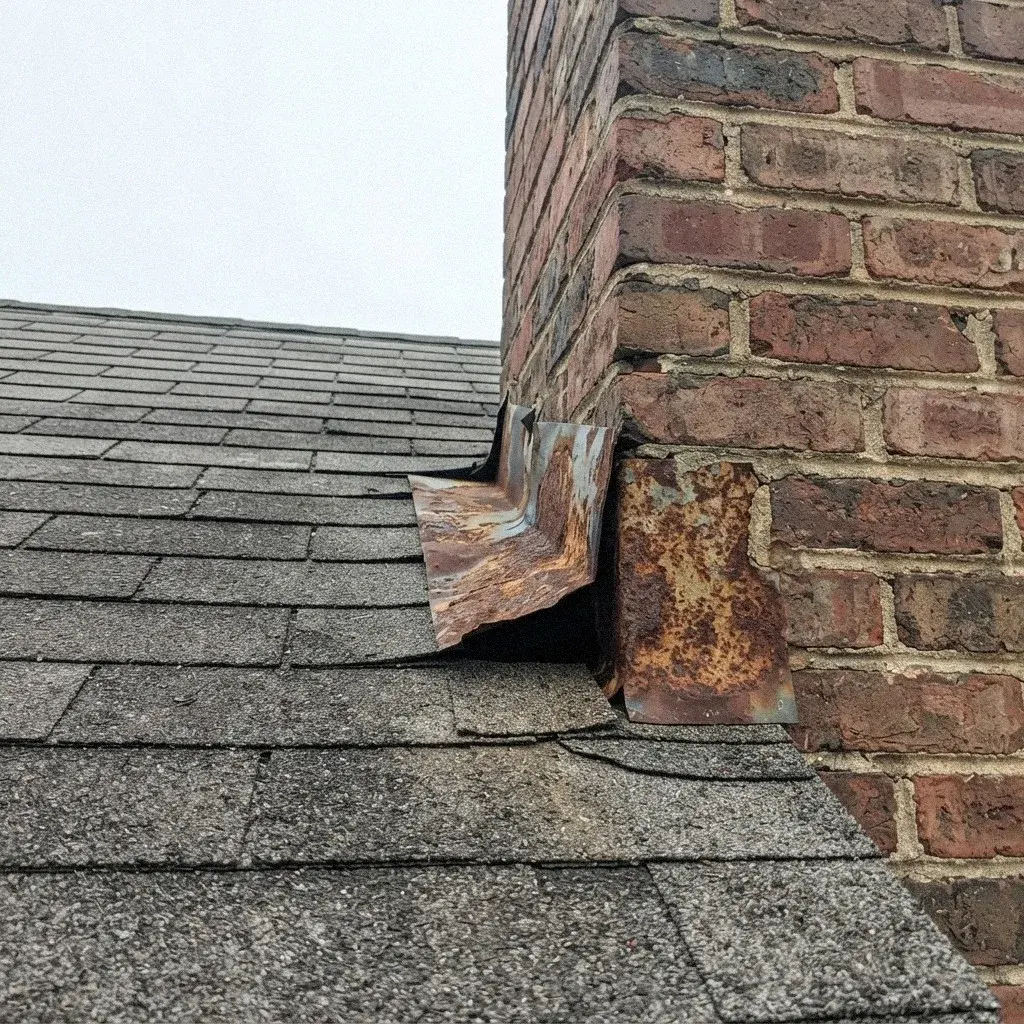
Repairing the metal seals at your chimney, valleys, and walls.
Learn about Flashing & Chimney Repair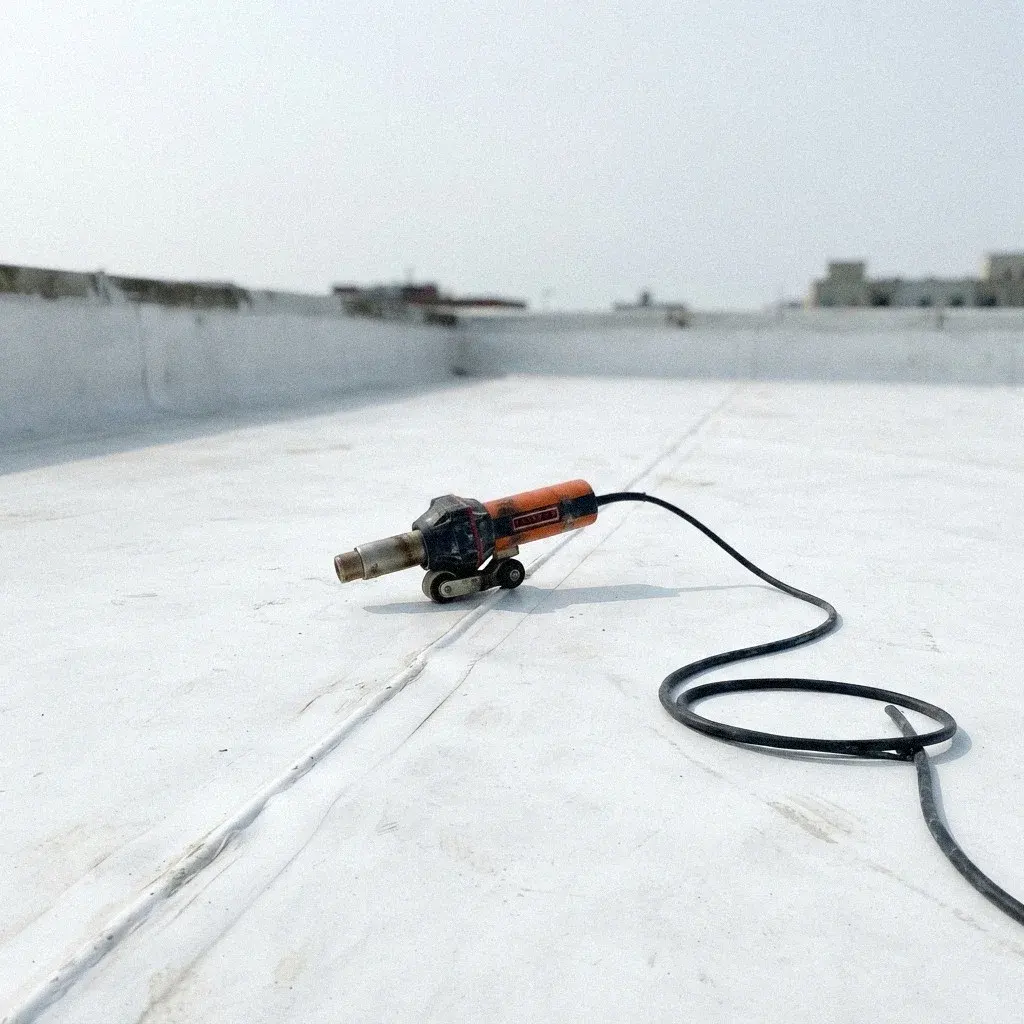
Low-slope membrane roofing built to drain through a Minnesota winter.
Learn about Flat & Low-Slope Roofing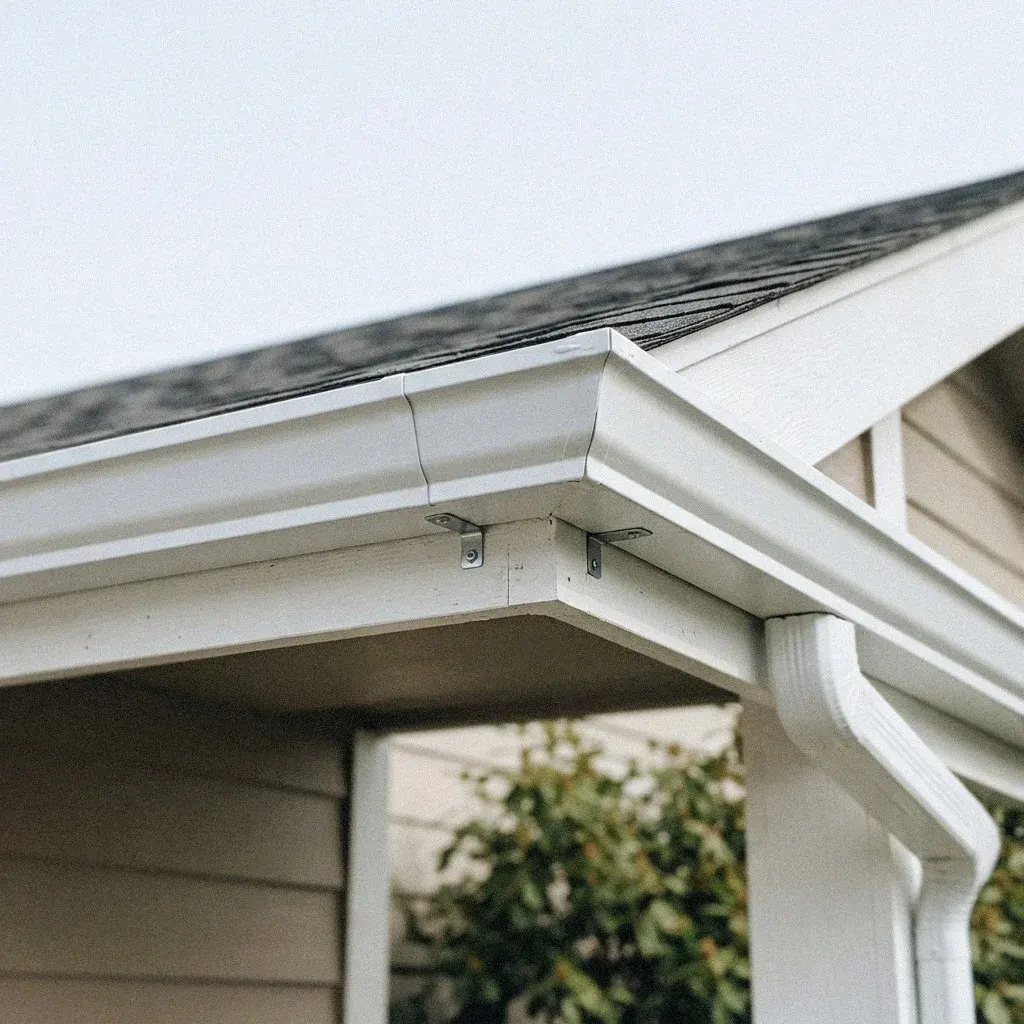
Straight talk on whether your gutters need fixing or full replacement.
Learn about Gutter Repair & ReplacementGolden Valley · Downtown West · Downtown East · Loring Park · Linden Hills · Fulton · Kingfield · Edina
Yes. Longfellow is well inside the area the licensed pros we connect you with reach regularly, close by way of Hiawatha Avenue or the river parkway. Whether the address sits up near Seward or down by Minnehaha Park, it's a normal stop, not an edge case.
Longfellow is a platted city neighborhood within Minneapolis city limits, not a governed subdivision, so there's generally no homeowners' association setting roofing rules block by block. A roof project here answers mainly to the city's own permit and inspection process, not a private architectural committee.
Ice dams along eaves after heavy snow, and wind damage on bluff-top lots that catch more open air off the Mississippi River gorge than sheltered inland blocks. Mature tree cover over the older grid also means storm-dropped limbs and clogged gutters after summer thunderstorms.
Asphalt shingle covers most of the Craftsman bungalows and Foursquares built here between 1900 and 1940, with steeper gable and hip rooflines common on the two-story homes. A handful of older duplexes scattered through the grid carry the same shingle roofing as the single-family houses around them.
The City of Minneapolis, through its own construction permit service. Not Hennepin County, and not the neighborhood association. That trips people up when they have moved from one of the suburbs, because St. Louis Park, Edina and Richfield each run their own counter and their own rules, so a contractor working across the line is dealing with more than one process. For a Longfellow address it is the city, and the contractor normally files it rather than the owner.
Usually the same day, yes. Urgent jobs jump the queue here: water coming through a ceiling, a slope torn open by wind, or a limb down on the roof. Those are taken around the clock. Anything that can safely wait is booked at the standard rate instead.
Minneapolis roofs answer to the same winter, but not identically. A foursquare in Tangletown with tight attic ventilation ice-dams differently than a bungalow near Lake Nokomis with more roof exposed to open sky. Homes close to the Mississippi River gorge catch different wind than ones tucked into Fulton or Kingfield. Hail from a summer thunderstorm hits every neighborhood the same day, but the roof underneath it, its age, its pitch, its attic insulation, is never quite the same house to house.
Call (612) 493-0152