Emergency Roof Tarping
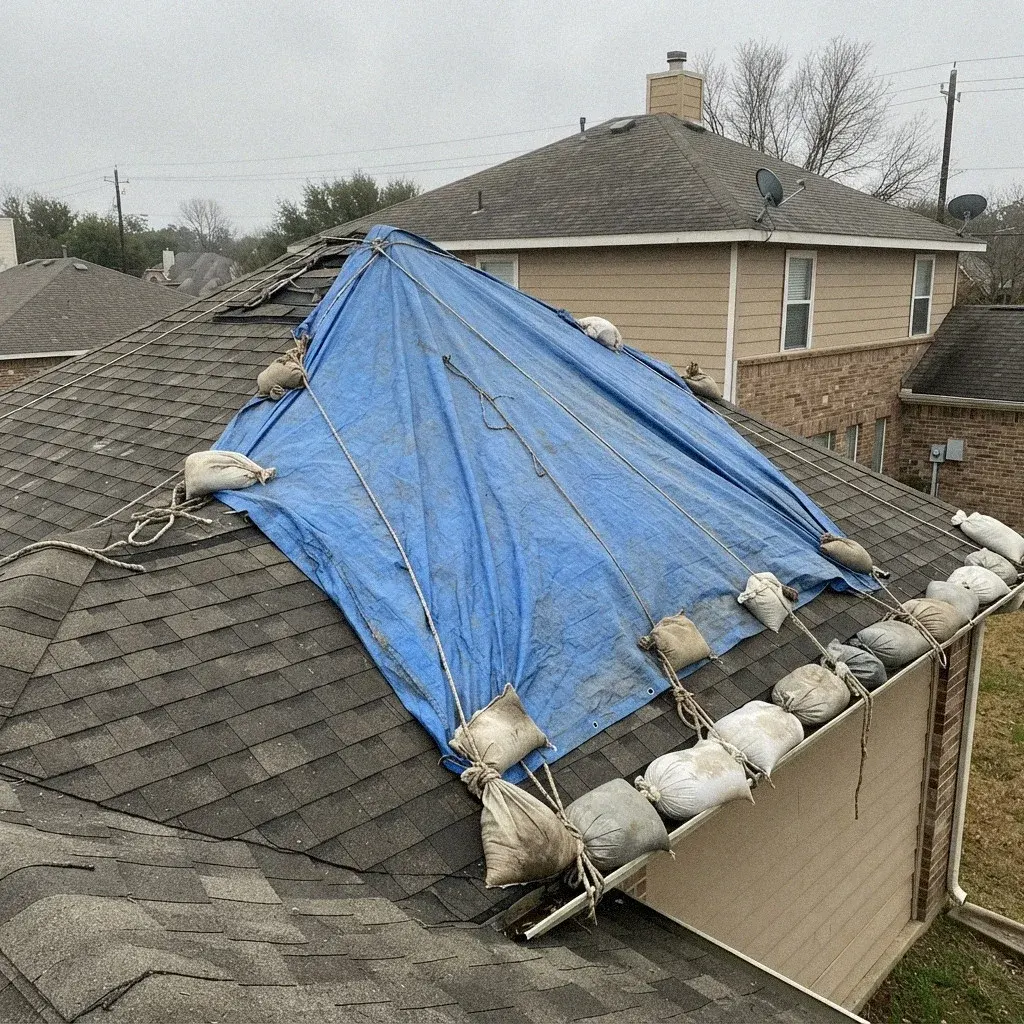
An open roof covered and anchored today, before the next rain finds it.
Learn about Emergency Roof Tarping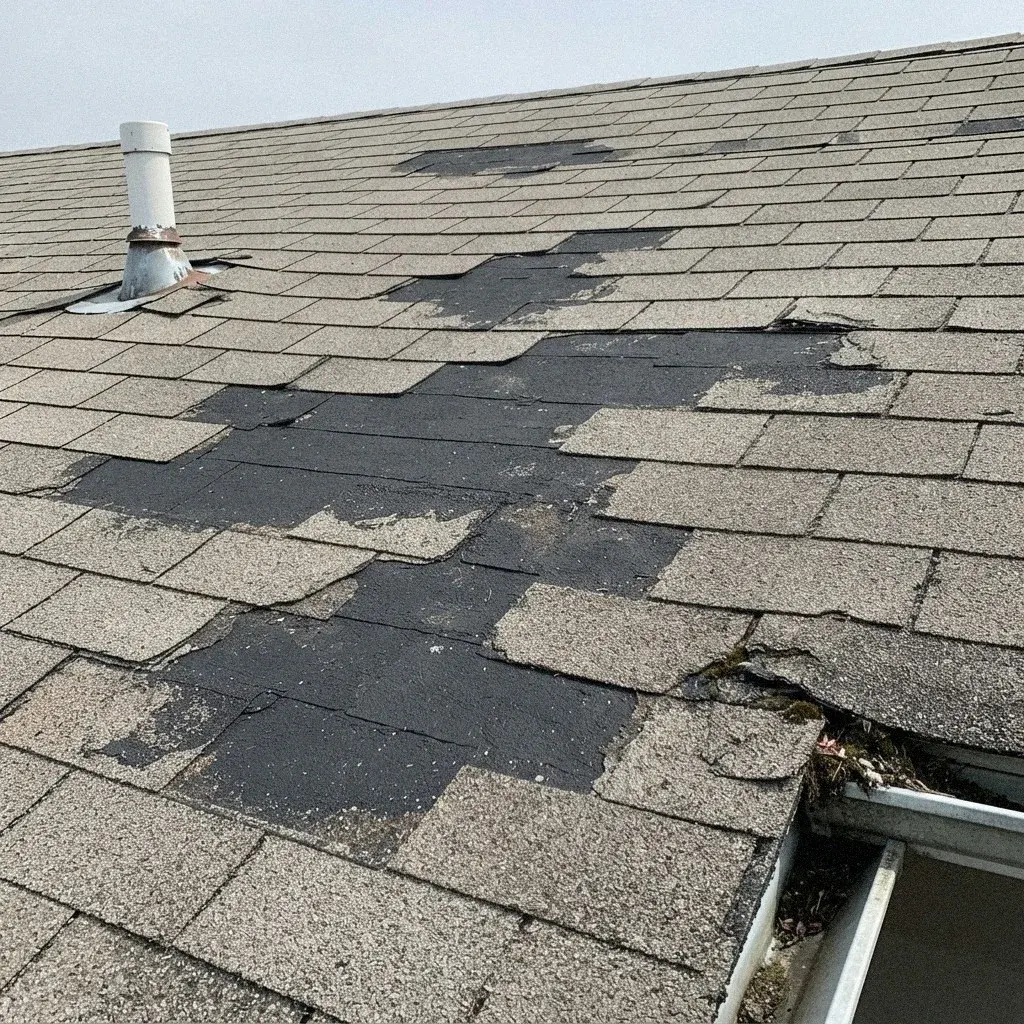
Minneapolis housing splits by era more than by neighborhood. Bungalows and foursquares near Kingfield, Tangletown, and Longfellow date to the early 1900s, with steep original rooflines. Newer infill around Cedar-Riverside and Prospect Park sits lower-pitched, shedding snow and handling attic heat differently across the same block.
Attic insulation varies as much as the roof above it. Older Powderhorn Park and Seward homes often carry less insulation than current code expects, so heat escapes upward, melts snow unevenly, and refreezes at the eaves. That mismatch, not the shingle age alone, decides which roofs deal with ice dams every winter.
Basements are the default here, not a feature, and that changes how a roof problem gets read. A leak near Linden Hills or Fulton often shows up first as a stain two floors down, traveling along framing before anyone spots the shingle or flashing that let water in above the Chain of Lakes homes.
Reroofing in Minneapolis crowds into a short window. Summer hail and straight-line winds off a passing thunderstorm can force sudden repairs near Diamond Lake or Webber-Camden, while anything scheduled for winter waits behind snow and ice on roofs from Nicollet Island to the Mississippi River bluffs.
An open roof covered and anchored today, before the next rain finds it.
Learn about Emergency Roof Tarping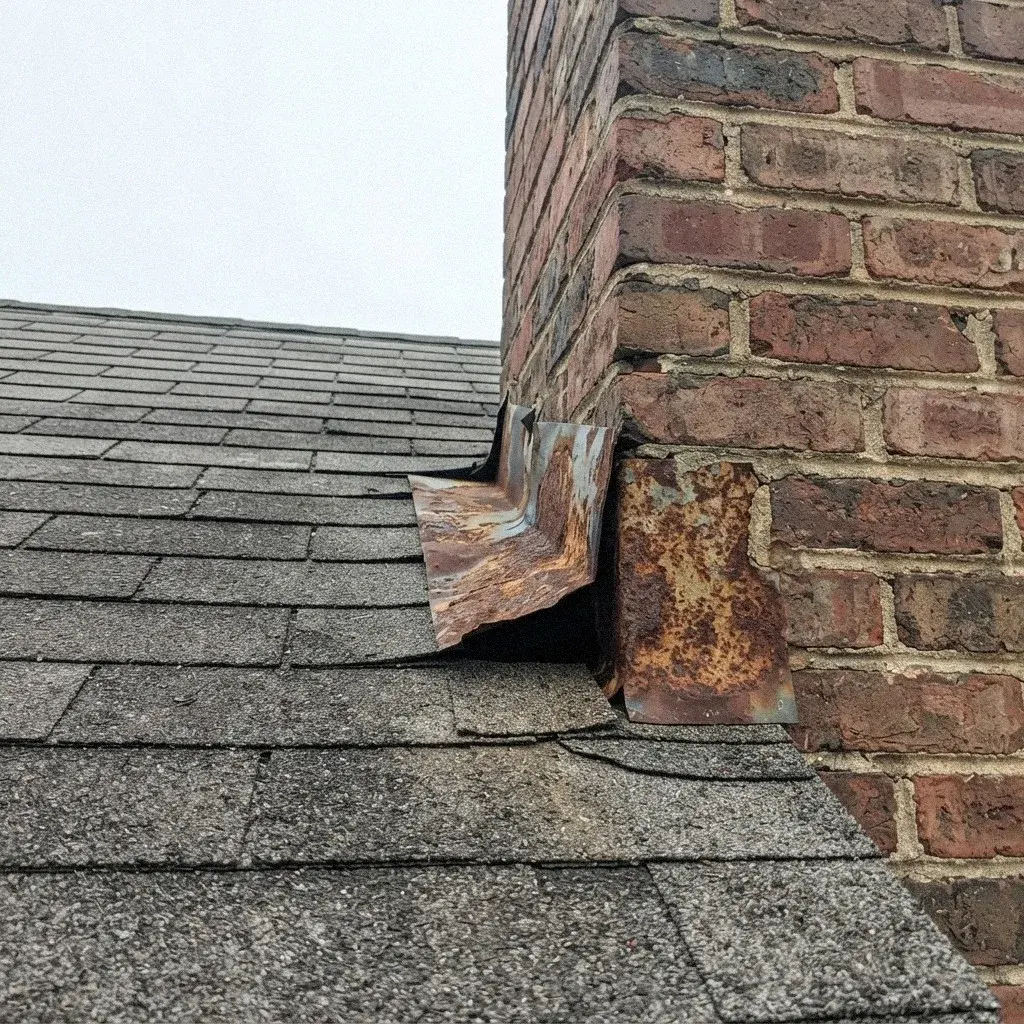
Repairing the metal seals at your chimney, valleys, and walls.
Learn about Flashing & Chimney Repair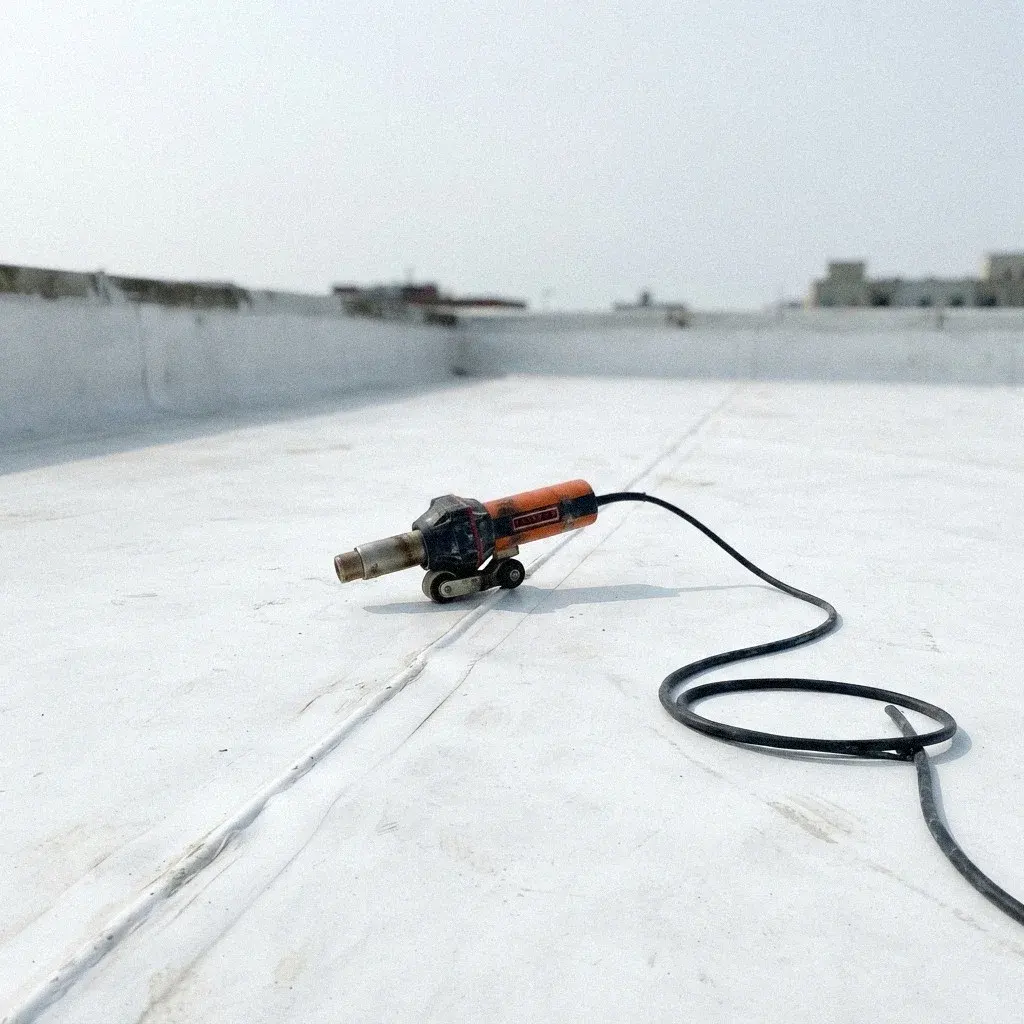
Low-slope membrane roofing built to drain through a Minnesota winter.
Learn about Flat & Low-Slope Roofing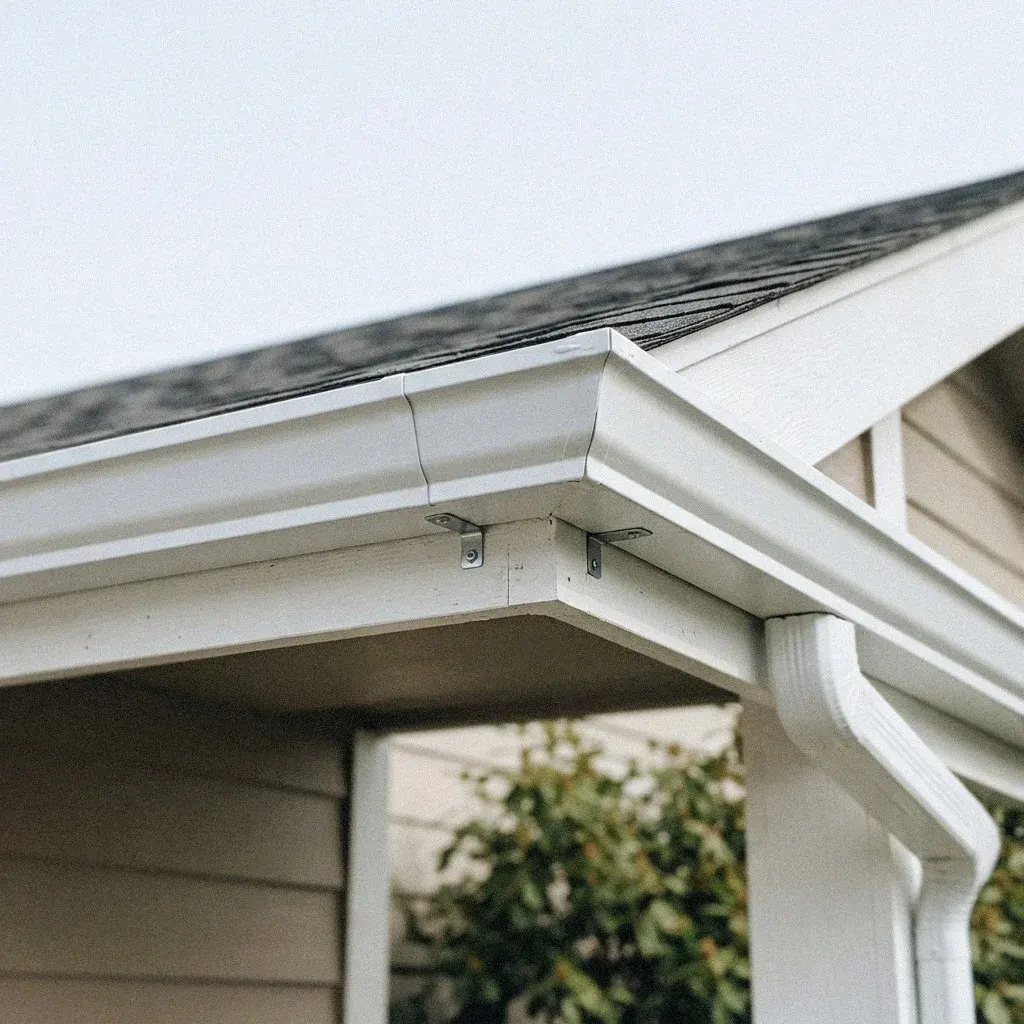
Straight talk on whether your gutters need fixing or full replacement.
Learn about Gutter Repair & Replacement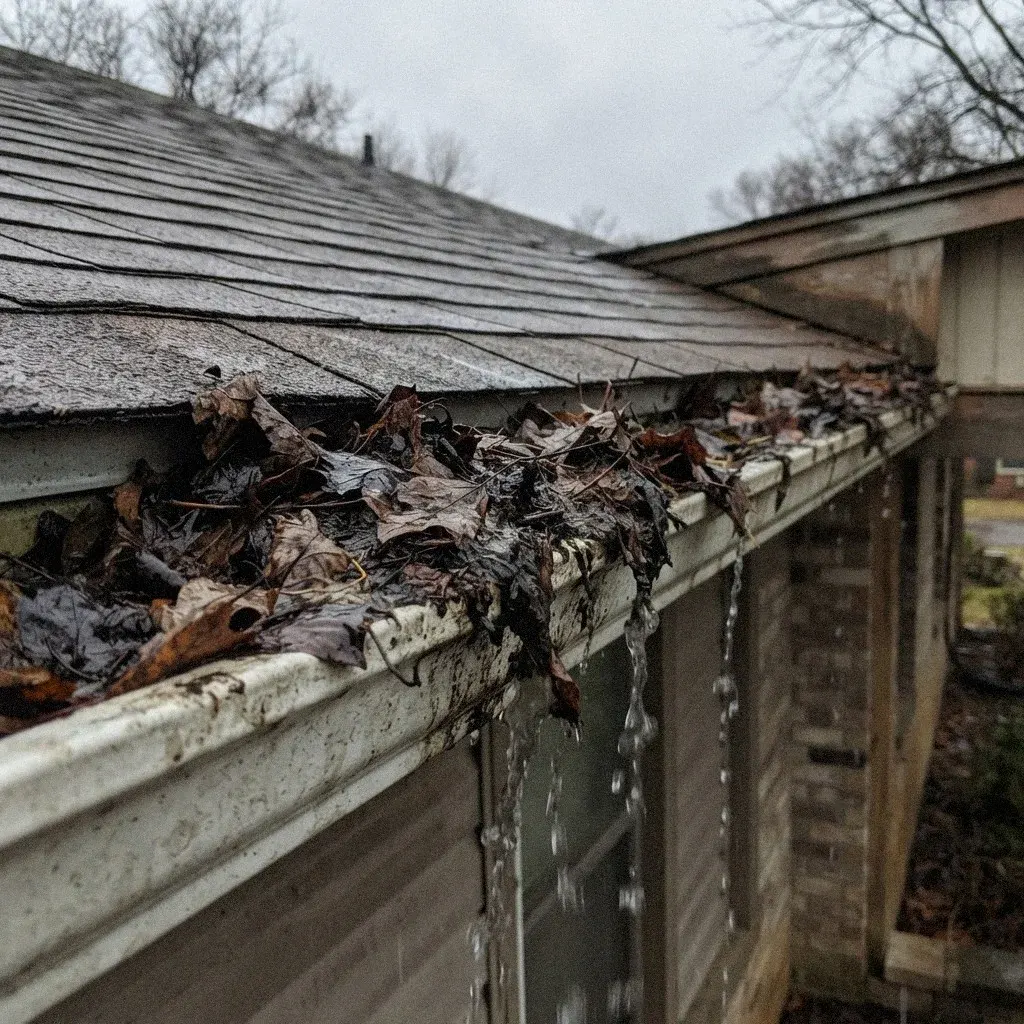
Cleared, flushed, and fitted with guards that actually cut the work.
Learn about Gutter Cleaning & Gutter Guards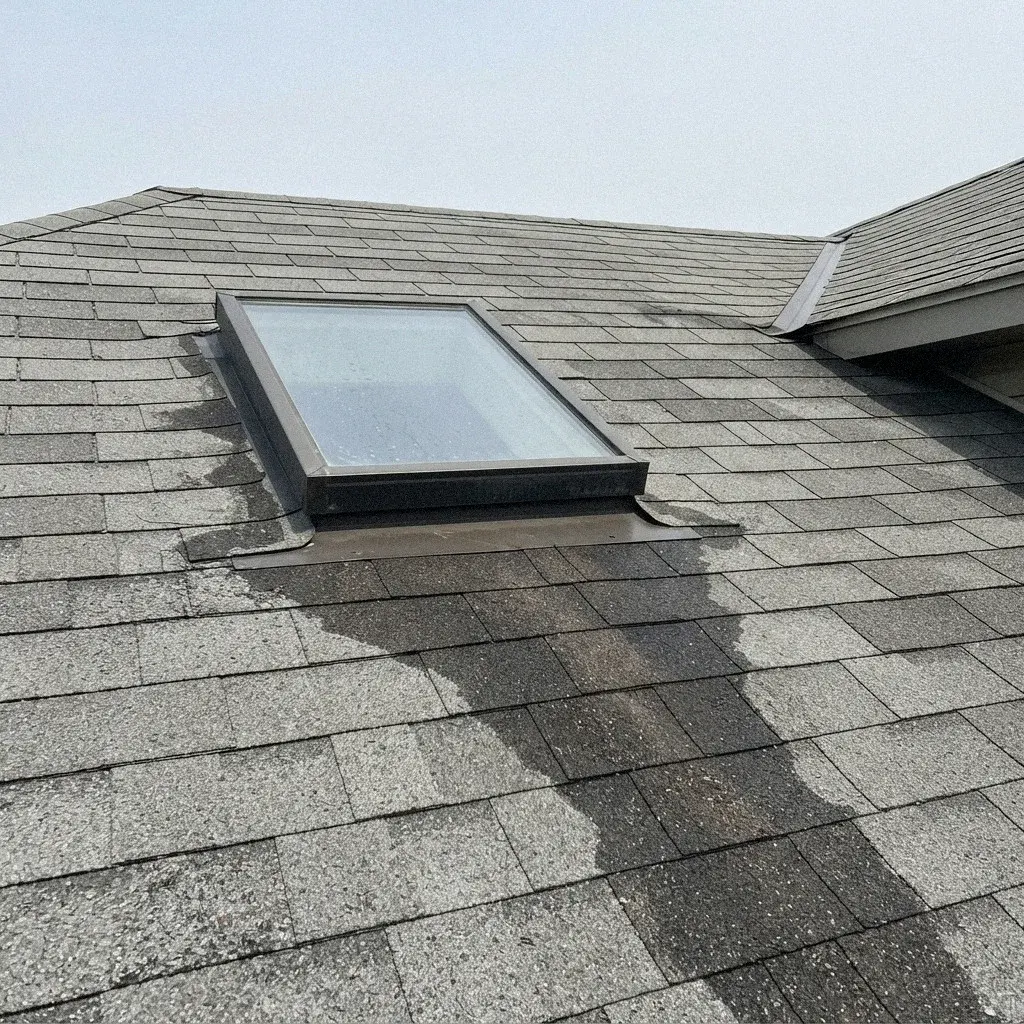
Attic work that stops the ice dam cycle for good, from the inside
Learn about attic ventilation and insulation upgradesA tear-off and reroof on a typical Minneapolis bungalow or foursquare, whether in Kingfield or Longfellow, usually takes one to two days once materials are delivered. Steeper Queen Anne or Colonial Revival rooflines with multiple dormers add time. Ice dam repairs and any deck rot found under old shingles can stretch the schedule, so the licensed pros we connect you with typically give a range rather than one fixed date.
Expect a dumpster or trailer in the driveway and a staging area near the house for shingles and debris for most of the job. On tighter lots in Seward or Longfellow, that staging often has to sit closer to the street, which the crew will work around. Fences and garden beds near the drip line get tarped before tear-off starts.
Old shingles and nails come off the roof and fall into the yard below, so plantings near the foundation or under the eaves usually get tarped before work starts. Gutters often come off during tear-off if they're old or damaged and get reinstalled or replaced with the new roof. Homes near Lake Harriet or Diamond Lake with mature landscaping may need extra tarp coverage worked out in advance.
Minneapolis crews plan around forecasts and only open up sections of roof deck they can dry in and cover before a storm moves through. If a sudden thunderstorm rolls in off schedule, exposed sections get tarped fast to protect the attic and ceilings below. Given how often Twin Cities summer storms show up with little warning, the licensed pros we connect you with build weather buffers into the timeline rather than racing the clock.
Roofs here rarely fail from a single dramatic event. They wear down over decades of freeze-thaw cycles, ice damming along eaves, and hail from summer thunderstorms, each one loosening granules or cracking shingles a little more until a leak finally shows up inside.
Roughly half the houses in this city went up before 1940, and it shows on the roof. Steep bungalow and foursquare attics, board decking, insulation added decades after the fact, soffit vents painted shut, and eaves that have been building ice dams every winter since. Newer streets out toward Brooklyn Park or Plymouth have a different set of problems entirely. Which set is yours depends on the house rather than the postcode, and the licensed pros we connect you with will say which after looking.
Call (612) 493-0152