Now taking calls — fast callback for urgent roof damage · (612) 493-0152
Flat & Low-Slope Roofing in Minneapolis, MN
Minneapolis, MN

Low-Slope Roofing Built to Drain in Minneapolis, MN

Low-slope membrane roofing built to drain through a Minnesota winter.

Whether you're in Fulton, Kingfield, Longfellow, or elsewhere around Minneapolis, flat & low-slope roofing is arranged around the conditions on the ground in and around Minneapolis, so the plan fits the building rather than a template.

Nearly all of this work is residential: residential roofing covers the approach for houses, while commercial and multi-unit buildings are handled under commercial roofing.

Warning Signs

Signs You May Need Flat & Low-Slope Roofing

Ponding Water on the Membrane

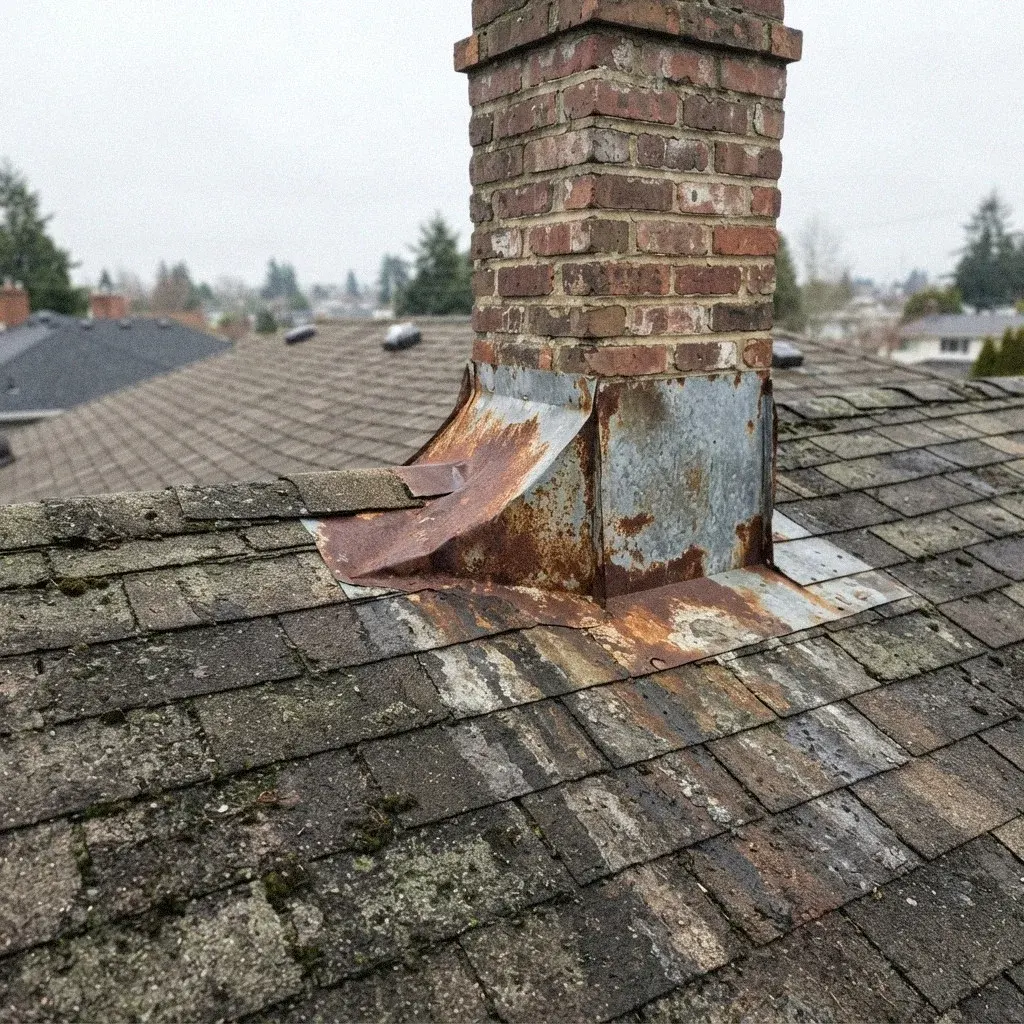
On a Minneapolis flat or low-slope section, trouble starts at seams, drain bowls, and parapet flashing before it ever shows up in the field of the membrane. A bungalow with a flat porch roof near Kingfield or a foursquare addition in Tangletown often leaks first at the seam tape or the flashing where a wall meets the roof deck, not at the membrane surface itself.

Blistering in the Membrane Surface

Blisters or soft raised patches in a single-ply or modified bitumen membrane mean air or moisture got sealed in under the surface, usually during installation or a hot summer afternoon after a Minneapolis thunderstorm. They tend to grow through freeze-thaw cycles each winter, since trapped moisture expands with the cold and works the blister into a split.

Ceiling Stains Under a Flat Section

A ceiling stain under a flat roof section over a garage, porch, or addition common on older Minneapolis housing stock rarely sits directly beneath the leak. Water often travels along a rafter or across the deck from a seam or parapet flashing failure yards away before it drops through, which is why tracing the source takes more than looking straight up.

How It Works

Our Flat & Low-Slope Roofing Process

Flat Roof Inspection in Minneapolis

The licensed pros we connect you with walk the flat or low-slope section looking for ponding water, seam failure, blistering, and soft spots near parapet walls, then check flashing at every penetration and wall transition before pricing anything.

Membrane Options for Minneapolis Roofs

Once the low-slope roof is assessed, they lay out membrane options, single-ply or modified bitumen, flag where tapered insulation would correct a ponding spot, and price a re-cover against a full tear-off based on what the existing deck and membrane can support.

Tear-Off Decision in Minneapolis

For a tear-off, the old membrane comes off down to the deck, any water-damaged sheathing gets replaced, and tapered insulation is set or corrected so the finished roof actually drains toward the low points instead of holding water.

Seam Welding and Drains in Minneapolis

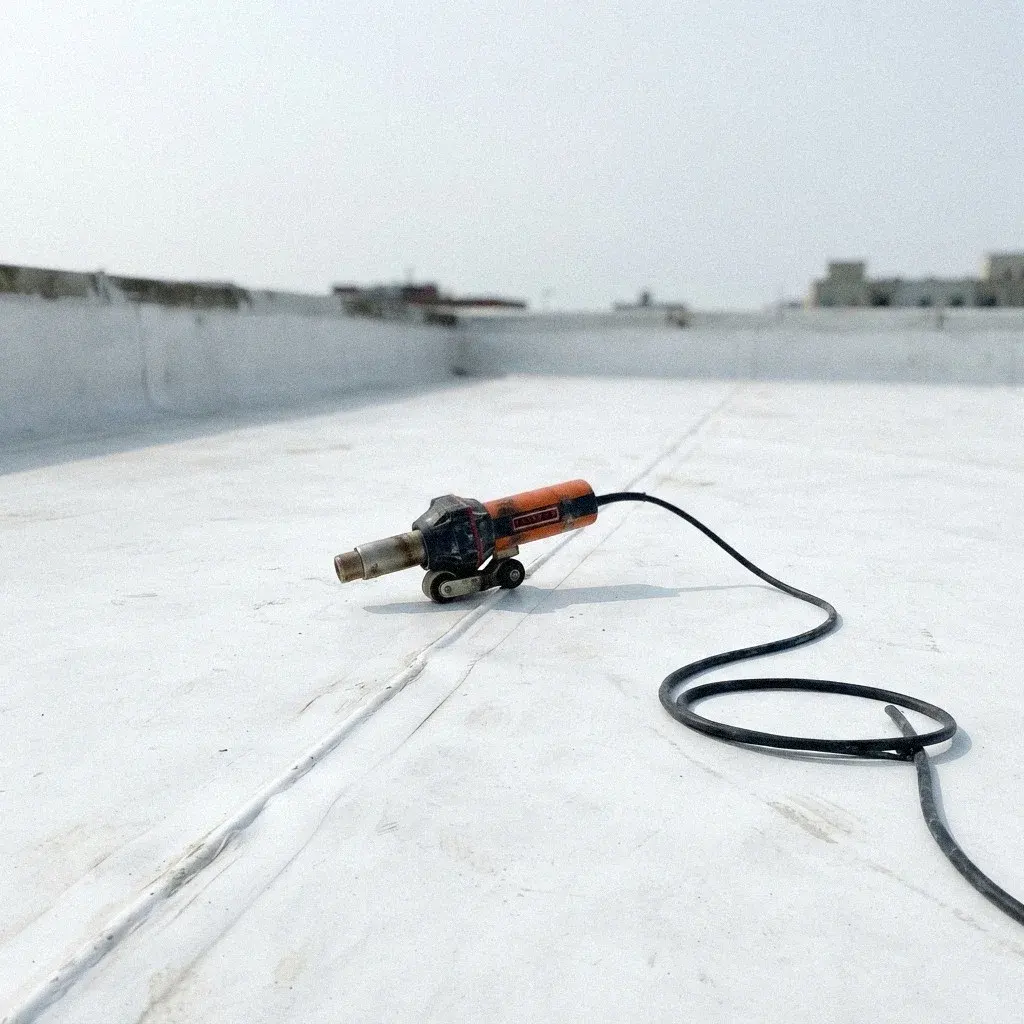
New membrane goes down with heat-welded or adhered seams, flashing gets rebuilt at every parapet wall and penetration, and drains or scuppers are checked to confirm water actually clears the roof before the crew calls the job done.

Why this matters

Minneapolis has bungalows and foursquares from the early 1900s with flat porch roofs, plus additions and garage roofs built low-slope regardless of the main roof's pitch. These sections do not shed snow load or ice the way a pitched asphalt shingle roof does, so they depend on the membrane, seams, and drainage holding up through a full Minnesota winter and back again.

Licensing & Local Standards

Code-Compliant Flat & Low-Slope Roofing in Minnesota

Slope Built In, Not Assumed

A flat roof over a Minneapolis home needs built-in positive slope, not a hope that water finds its own way off. Tapered insulation is set during a re-cover or tear-off to push water toward drains or scuppers instead of letting it settle in the middle of the field, which matters given the roughly 51 inches of snow the metro sees most winters.

Re-Cover Versus Full Tear-Off

Low-slope sections still fall under the same city rule: a permit is expected before work starts, even on a single-family garage roof off Lyndale or a foursquare near Powderhorn Park. What changes is the inspection focus. A membrane re-cover only makes sense over a dry substrate, so the licensed pros we connect you with check for trapped moisture at the parapet walls and drains first. Torch-down work near wood fascia also gets a closer look, since heat and old Minneapolis framing don't mix casually.

Pricing

Flat & Low-Slope Roofing Prices in Minneapolis, MN

Most flat & low-slope roofing jobs in Minneapolis fall inside these ranges. The inspection costs nothing and the exact figure is written down before any work starts.

Flat & Low-Slope Roofing — estimated ranges, per job
Roof SystemAccess PointsWinter Exposure
A crew that only handles roofs, not gutters, siding, and everything else, catches problems the others miss. Ice dam damage, valley flashing that failed years ago, decking gone soft under old shingles — these show up fast to someone who checks roofs every day and nothing else. Attic checked for ice dam damage, written report only an estimated $6300–$24700
Reroofing is not a side job for the pros connected through this site. It is the only job. That focus means fewer guesses mid-tear-off, because the failure points on an aging roof tend to repeat, and someone who sees them constantly stops treating each one as a surprise. Old shingles stripped, valleys rebuilt, deck repaired only where soft an estimated $9000–$33800
A bid built around speed alone tends to skip the parts that matter after the first winter: proper attic ventilation, correct flashing at valleys and chimneys, adequate ice barrier. Those gaps do not show on the invoice. They show up as a leak once the weather turns. Tear-off, attic baffles installed, no basement or foundation work included an estimated $11700–$46800
Older homes carry roofing quirks that take repetition to spot quickly: undersized downspouts, gutters rusted from decades of freeze-thaw, shingles lifted where moisture crept underneath. A crew doing this work constantly recognizes the pattern before it becomes a bigger repair. Full reroof, new gutters sized for cloudburst runoff, downspouts rerun an estimated $16200–$67600

A low bid usually means a shortcut, not savings. Skipping ice-and-water barrier, proper flashing, or full tear-off disposal costs the crew money, so a number well below everyone else's is a sign something got left out of the scope, not a sign of a better deal.

Questions & Answers

Frequently Asked Questions

How do you find a leak on a flat roof?

The licensed pros we connect you with start at the seams, the flashing around parapet walls or wall-to-roof transitions, and every drain or scupper opening on the low-slope section. Most leaks trace to one of those points rather than a hole in the open membrane field, so a methodical check of edges and penetrations comes before assuming the membrane itself failed.

Why does water pool on my flat roof?

Water that stays on a flat roof once a storm has passed usually points to a drainage or pitch problem rather than the rain itself. It can mean the tapered insulation never built in enough slope toward the drains, or a drain or scupper is blocked. Left alone, that weight and moisture wear down the membrane faster than normal weather exposure.

Should I re-cover my flat roof or tear it off?

A re-cover works when the existing membrane underneath is dry, still adhered, and not already carrying more layers than allowed. It saves the cost and time of stripping the old surface. A tear-off is the right call once the deck is wet, the membrane has failed in multiple spots, or ponding water has already done damage below the surface.

Why does a flat roof leak differently than shingles?

A low-slope roof has almost no pitch helping water run off on its own, unlike the asphalt shingle roofs common across most Minneapolis blocks. That means the membrane surface, its seams, and its drains have to do the work gravity would otherwise handle, which is why seam quality and drainage design matter more on a flat section than anywhere else on the house.

What material goes on a Minneapolis flat roof?

Most low-slope sections on Minneapolis homes use a single-ply membrane or modified bitumen with heat-welded or torch-down seams. Older built-up roofing still turns up on some early-1900s bungalows and additions around neighborhoods like Seward or Longfellow, usually due for replacement by now given the decades of freeze-thaw cycling it has been through.

Can a coating fix my roof instead of replacing it?

A coating system can add life to a membrane that is still sound structurally but showing surface wear, minor blistering, or weathering from repeated Minnesota winters and summer sun. It only works as long as the seams and flashing details underneath are intact, since a coating protects the surface but does not fix a failing seam or a drainage problem.

How much does flat & low-slope roofing cost in Minneapolis?

A roof recover or replacement can sometimes skip a permit if the job stays under a set size or scope, but Minneapolis still reviews the work against Minnesota Rules governing residential construction. Push past that threshold, or touch the decking underneath, and inspection becomes part of the job.

Background

Read Up on Flat & Low-Slope Roofing

A full basement is standard under most older Minneapolis houses, and that matters for a roof more than people expect. Water that a damaged roof lets in has a long way to travel down through a bungalow or foursquare, and it often shows up as a basement problem before anyone connects it to the roof.

Where Minneapolis Roof Leaks Usually Start
Roof Problems

Common Roof Leak Entry Points in Minneapolis

A Minneapolis roof leak rarely comes from worn-out shingles. It comes from a specific joint, valley, or flashing detail. Here's a ranked look at where these leaks actually begin, from pipe boots to drip edge.

Read article
Ceiling Stain in Winter: Minneapolis Ice Dams
Roof Problems

A Ceiling Stain in January

A stain spreads across an upstairs ceiling with no rain in sight. Here's what's really happening above it, and what to do before anyone touches a ladder.

Read article
Checking Storm Damage After Hail | Minneapolis
Local & Seasonal

Checking Storm Damage Without a Ladder in Minneapolis, MN

After a Minneapolis hailstorm, most of the real damage is on the roof, not the ground. Here is what a homeowner can check from the yard, and why the camera matters more today than it will in a week.

Read article
Get Started Today

Take The Next Step

This page explains what the work generally involves, but no two Minneapolis roofs age the same. A bungalow near Linden Hills with decades of shingle layers behaves differently than a roof replaced after wind damage near Prospect Park. Attic ventilation, pitch, and how much ice dam trouble a house has seen all change what this service means for your address. The licensed pros we connect you with can tell you how it applies to your roof specifically.

Call (612) 493-0152
Free inspections & same-day service available
Call (612) 493-0152 Schedule Online