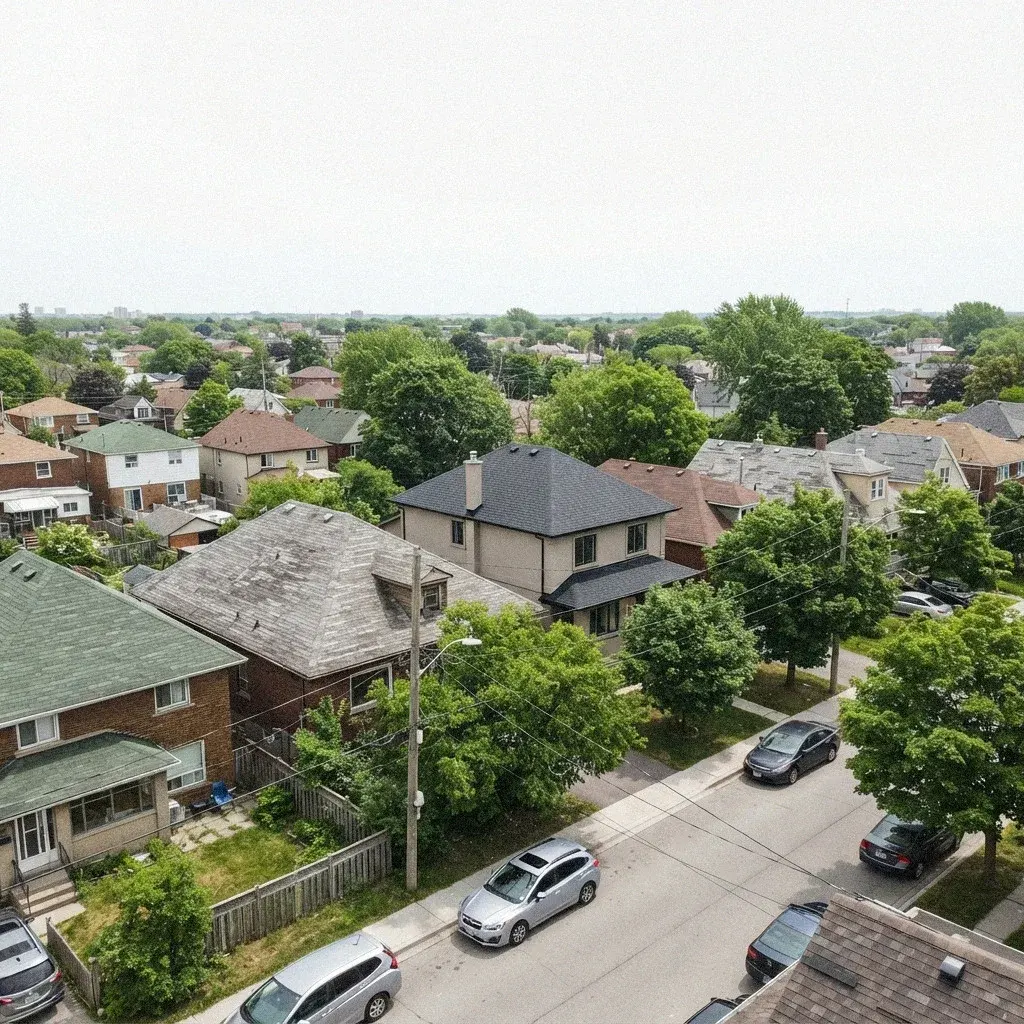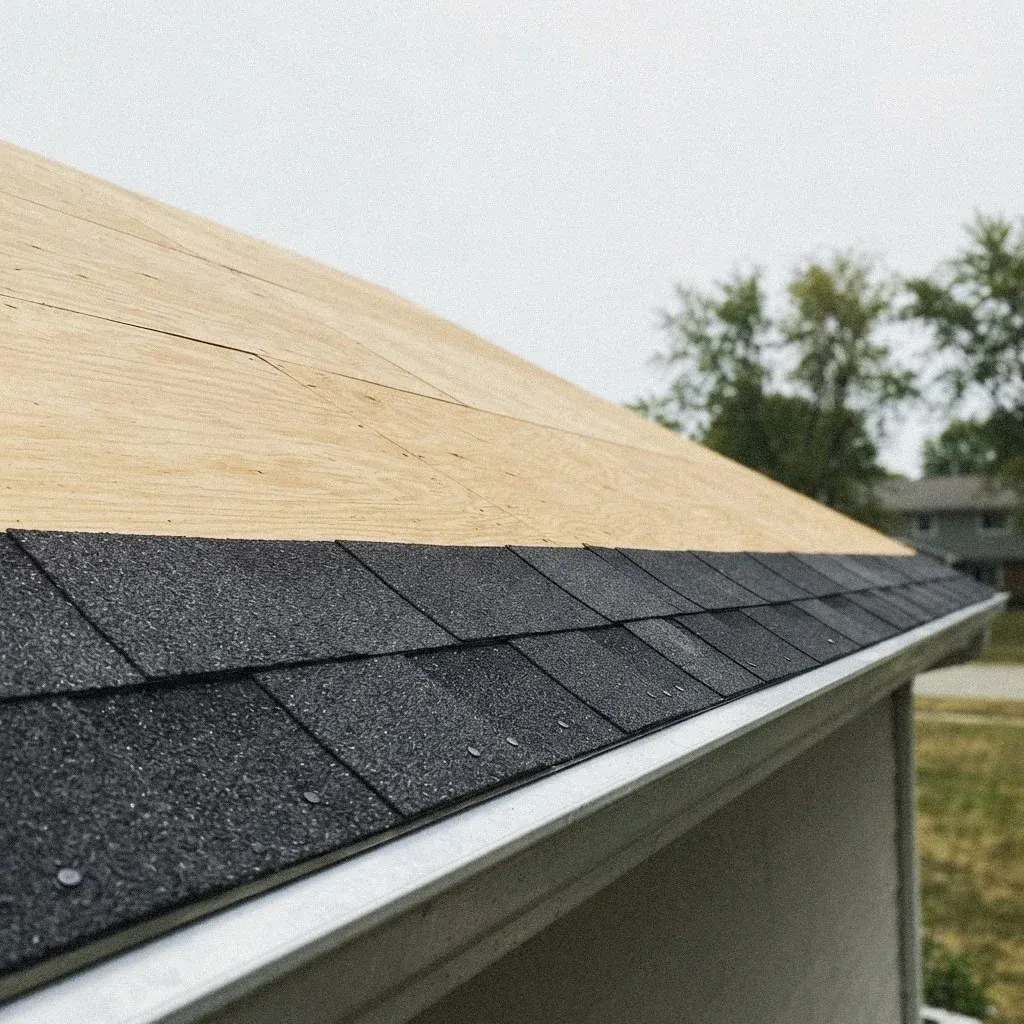
A Minneapolis roof rarely fails from one bad storm. It wears out from years of small things stacking up: snow that melts and refreezes at the eaves, shingles that never fully dry on the shaded north side, and gutters that quietly stop draining. Bungalows and foursquares built before 1940 often have less attic insulation than current homes, which lets more of that slow wear reach the roof deck instead of stopping at the shingles.
Shade Slows the Drying
Shade is one of the quieter causes. A roof slope facing north, or one shadowed by mature trees common in neighborhoods like Tangletown or Fulton, holds snow and moisture longer than a sunlit slope on the same house. That extra drying time lets moss and algae take hold and keeps the shingle mat damp more often, which speeds up granule loss even when the shingles look fine from the street.
Debris Trapped in Valleys
Shade plays out differently across a Minneapolis roof depending on the surroundings. A bungalow tucked among tall trees in Tangletown or Linden Hills keeps sections of shingle cold and damp longer after a Chain of Lakes storm passes through, while the sun-facing slope sheds water and dries within hours. That gap invites granule loss and softening on the slower side. Roofs near Minnehaha Creek or the Mississippi River gorge often carry the same pattern, with tree cover doing more damage than the weather itself.
When Drainage Backs Up
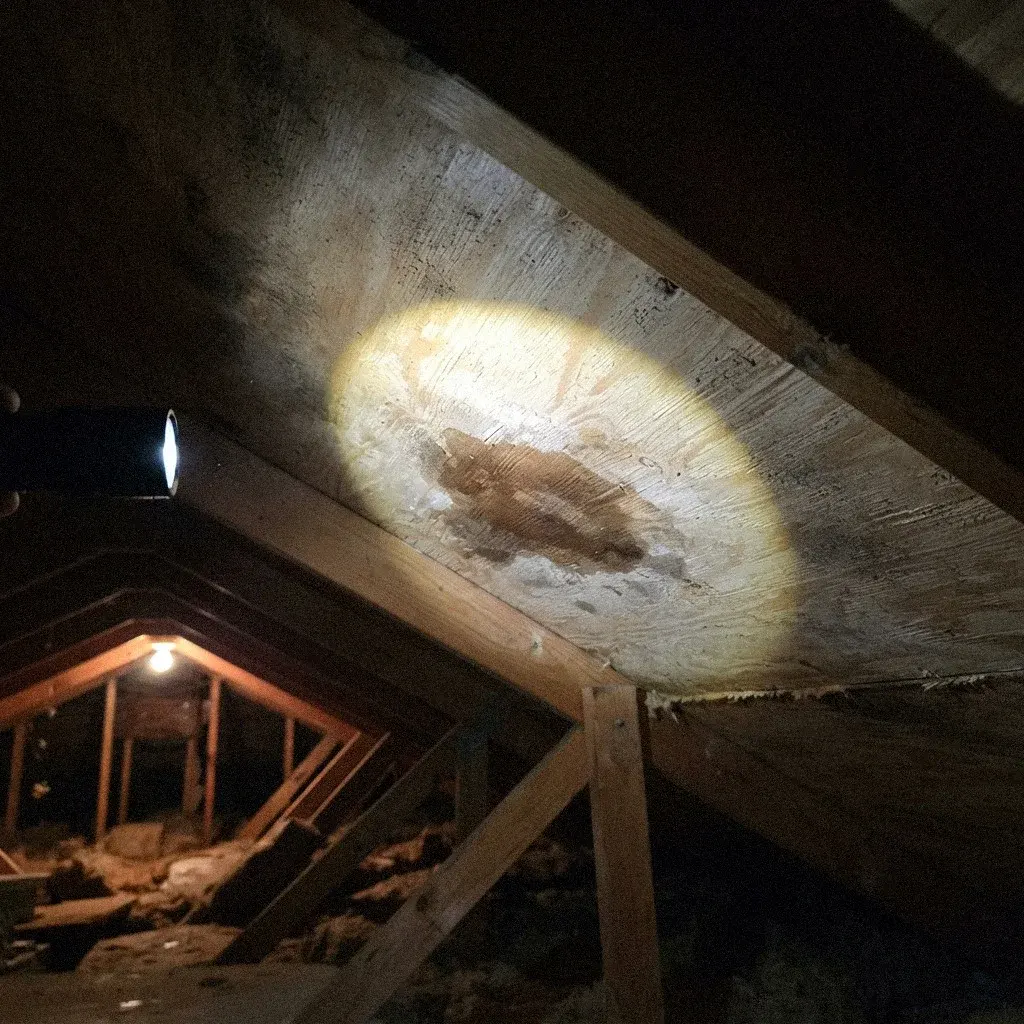
Attics matter as much as the roof deck above them. Many foursquares in Longfellow and Seward were framed before current ventilation standards, so warm household air collects under the sheathing all winter instead of moving out through the ridge. That stale air softens the underside of the decking and feeds ice dam formation along the eaves once temperatures swing above and below freezing. A roof fighting its own attic air ages faster than one that can breathe, regardless of the shingle underneath it.
Flashing Under Constant Movement
Flashing is where a lot of premature aging actually starts, even though it gets blamed on the shingles around it. Valleys, chimney counterflashing, and pipe boots take repeated freeze-thaw movement every winter, and a seam that flexes even slightly opens a path for water to get under the roofing rather than off of it. Once that happens, the deck underneath starts absorbing moisture the shingles were never meant to handle alone.
Ice Dams and Repeated Wetting
Ice dams deserve their own mention because they do more than cause a leak once. Water backing up behind a dam soaks the shingle underlayment repeatedly over a winter, and that cycle of wetting and freezing breaks down the seal strip and granule adhesion faster than normal aging would. Homes with less attic insulation, common in older Minneapolis housing stock, tend to build bigger dams because more heat escapes upward and melts the snow unevenly.
Attic Air That Never Moves
Stale attic air plays a bigger role than most homeowners expect. Without enough intake and exhaust ventilation, summer heat builds up under the roof deck and cooks the underside of the shingles from below, while winter moisture from cooking, showers, or laundry can condense on cold sheathing instead of venting outside. Both directions of that problem shorten shingle life without any storm involved at all.
Hail and Wind Damage
Hail and straight-line wind from summer thunderstorms add a different kind of wear. A hailstorm can bruise a shingle's mat without punching through it, and that bruise becomes a weak spot where granules wash off years earlier than the surrounding roof. Wind can lift a shingle edge just enough to break its seal, and a shingle that no longer seals down flat is exposed to every rain after that in a way its neighbors are not.
Soil Movement and Flashing
Clay-heavy soil around the Minneapolis area shifts with moisture changes more than people realize, and that movement can reach the roofline on older homes with masonry chimneys or foundation walls tied into the frame. As a foundation settles unevenly, flashing and fascia lines that were once straight can pull slightly out of alignment, opening small gaps at chimney bases or roof edges that let water in gradually rather than all at once.
Heat Cycling in Summer
Sun exposure matters even in a cold-winter city like this one. South and west-facing slopes take the brunt of summer heat, and repeated expansion and contraction as shingles heat up during the day and cool overnight eventually stiffens the asphalt and makes it more prone to cracking. A roof with mixed exposure, sunlit on one side and shaded near a neighbor's tree line on the other, often ages unevenly for exactly this reason.
How These Causes Combine
None of these causes act alone for long. A shaded valley collects debris, the debris holds moisture, the moisture works into a flashing seam already loosened by freeze-thaw cycling, and an attic venting problem keeps the deck underneath from ever fully drying out. By the time a homeowner notices a stain on a ceiling in Longfellow or Kingfield, the underlying wear has usually been building for several seasons already.
Spotting Wear Without Climbing Up
Recognizing these patterns early does not require climbing onto the roof. A homeowner can often spot shaded, moss-prone slopes, gutters that overflow during a heavy rain, or a musty smell in the attic just by paying attention through a normal year. Those observations are the useful part. Deciding whether any of it needs repair is a separate step, and one worth taking seriously before another Minnesota winter adds to the wear already there.
Dealing with this in your home?
Minneapolis roofs carry the weight of two seasons pulling in opposite directions. Bungalows near Kingfield and Longfellow trap heat in poorly vented attics, melting snow that refreezes at the eaves into ice dams. Come summer, hail off a Hennepin County thunderstorm can strip granules city-wide, no matter the neighborhood.