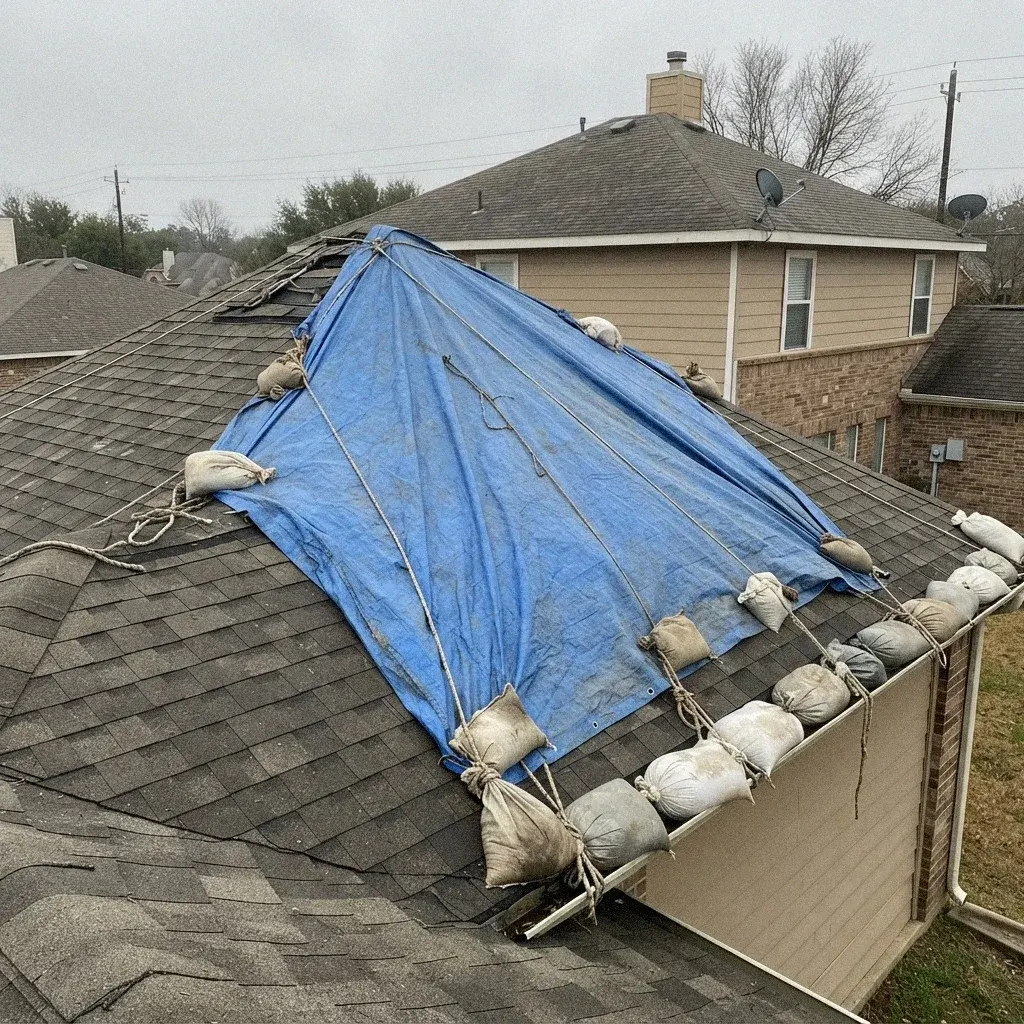
Emergency Roof Tarping
Open roof? A local licensed pro covers and anchors it, often the same day, before the next rain finds it.
Learn about Emergency Roof TarpingEarly 1900s housing stock mixed with newer infill from redevelopment-era rebuilding.
Near North is one of Minneapolis's older platted neighborhoods, its street grid and cul-de-sac pockets laid out well before mid-century. Housing spans early 1900s single-family homes, public housing developments, and newer infill built after redevelopment initiatives changed several blocks' housing stock and lot lines.
Freeze-thaw cycles, heavy snow load, and summer hail each stress a roof in a different way across the year.
Gutters count for more here than they look. A blocked run in Near North holds meltwater against the fascia all through a thaw and then freezes it there overnight, and the ice that builds up behind it is what works its way under the bottom course of shingles.
Roofs near Mississippi River and Bassett Creek take the weather first. There is nothing between the water and the roofline to slow a southwesterly down, so the courses along that elevation lift before anywhere else on the house does.
Older Near North roofs carry the same ice dam and frost heave exposure as other pre-war Minneapolis housing stock, while newer infill built after redevelopment faces less accumulated wear but still sits under the same hail and summer thunderstorm pattern citywide. Snow load isn't just a winter inconvenience — it's sustained weight sitting on a structure for months at a time. Older roofs already carrying wear from prior seasons are the ones where that steady load turns a small issue into a sagging one.
Ranges rather than a single number, because the honest figure depends on what the inspection finds. There is no charge for that inspection.
| Service | Estimated cost |
|---|---|
| Emergency Roof Tarping | an estimated $350–$1400 |
| Roof Leak Repair | an estimated $450–$2400 |
| Storm & Wind Damage Roof Repair | an estimated $900–$7500 |
This park sits along Near North's western edge, and homes on streets closest to its tree cover carry more overhanging branches and debris exposure than blocks farther into the interior grid.
The creek cuts through the area's lower ground, and homes near its banks deal with drainage and runoff concerns during heavy summer thunderstorms that interior lots on higher ground don't face as often.
This neighboring district's newer construction contrasts with Near North's older housing stock, marking where early 1900s single-family blocks give way to more recently redeveloped frontage near downtown.
Open roof? A local licensed pro covers and anchors it, often the same day, before the next rain finds it.
Learn about Emergency Roof Tarping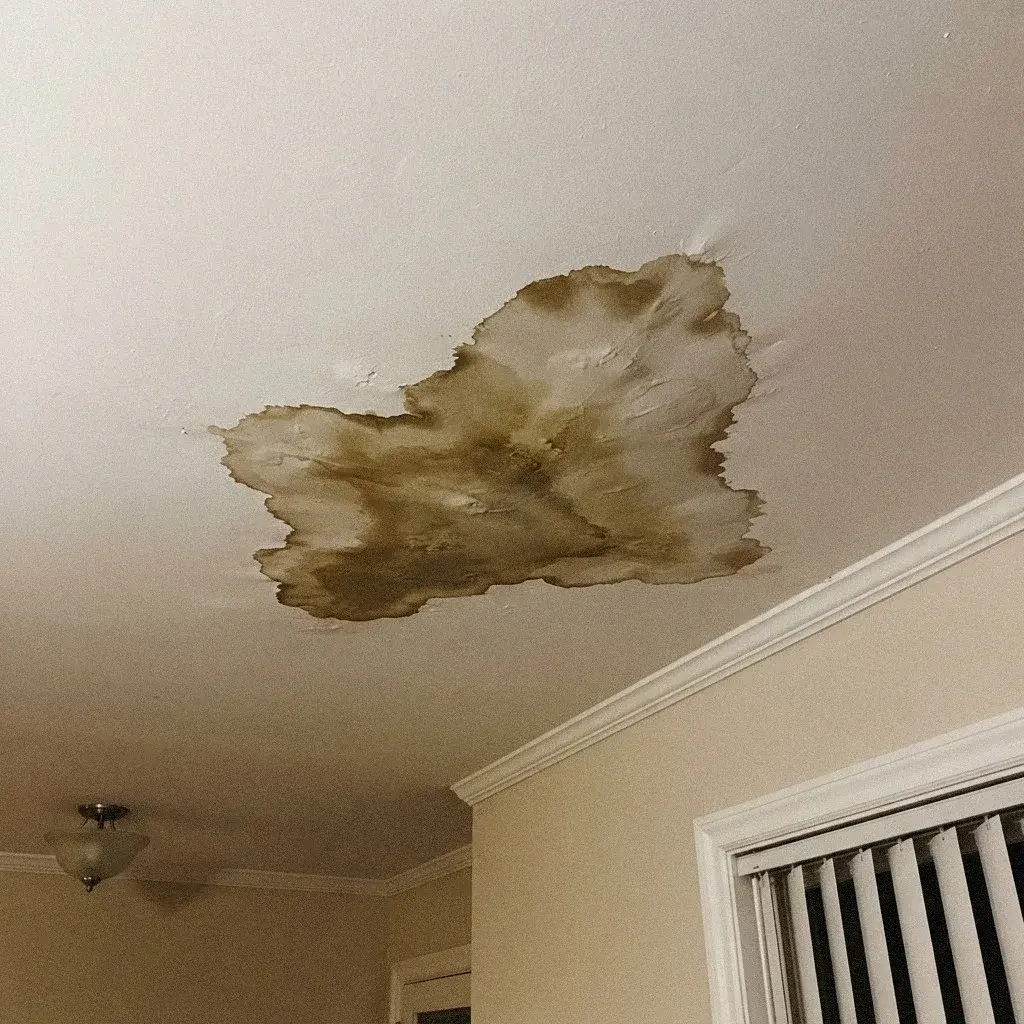
Call now to reach a local licensed pro who traces your leak to its real entry point and fixes it.
Learn about Roof Leak Repair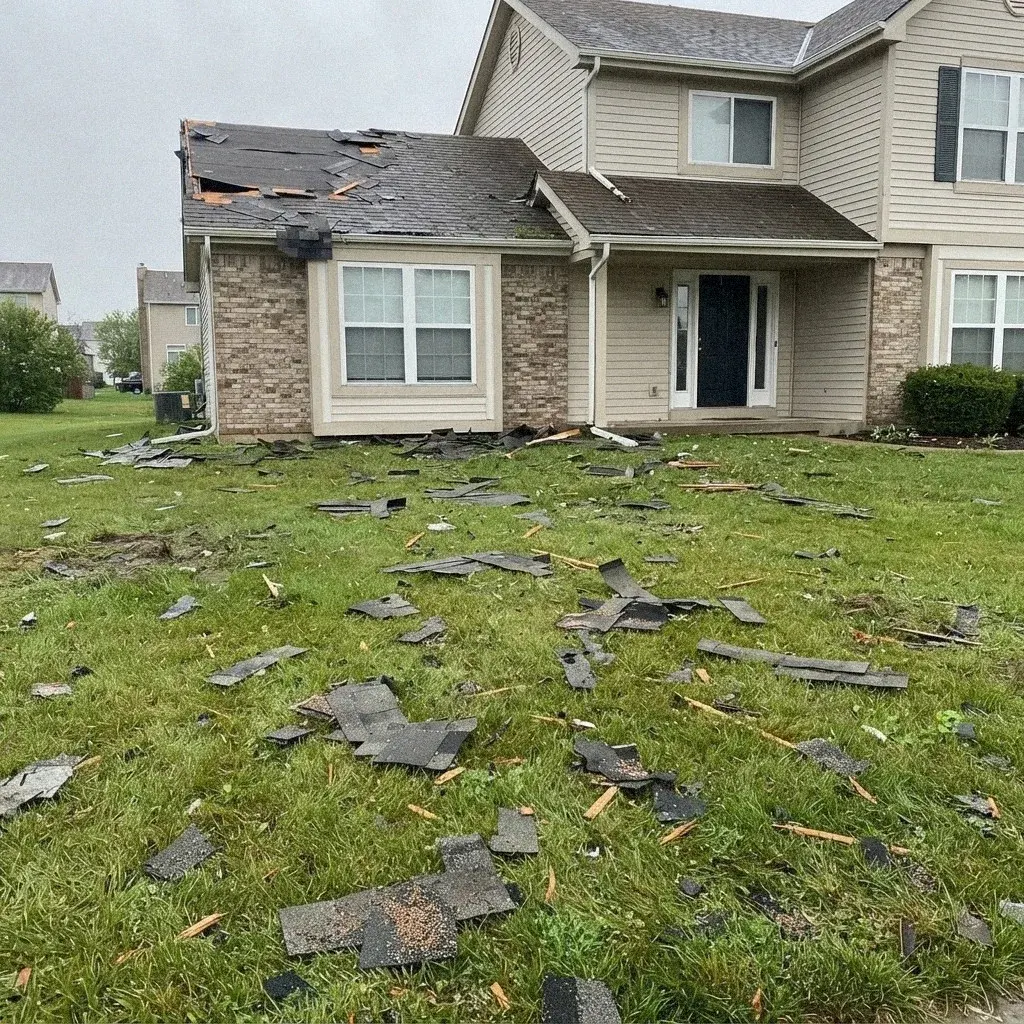
Fast inspection and repair after high wind, hail or falling limbs, by a local licensed pro.
Learn about Storm & Wind Damage Roof Repair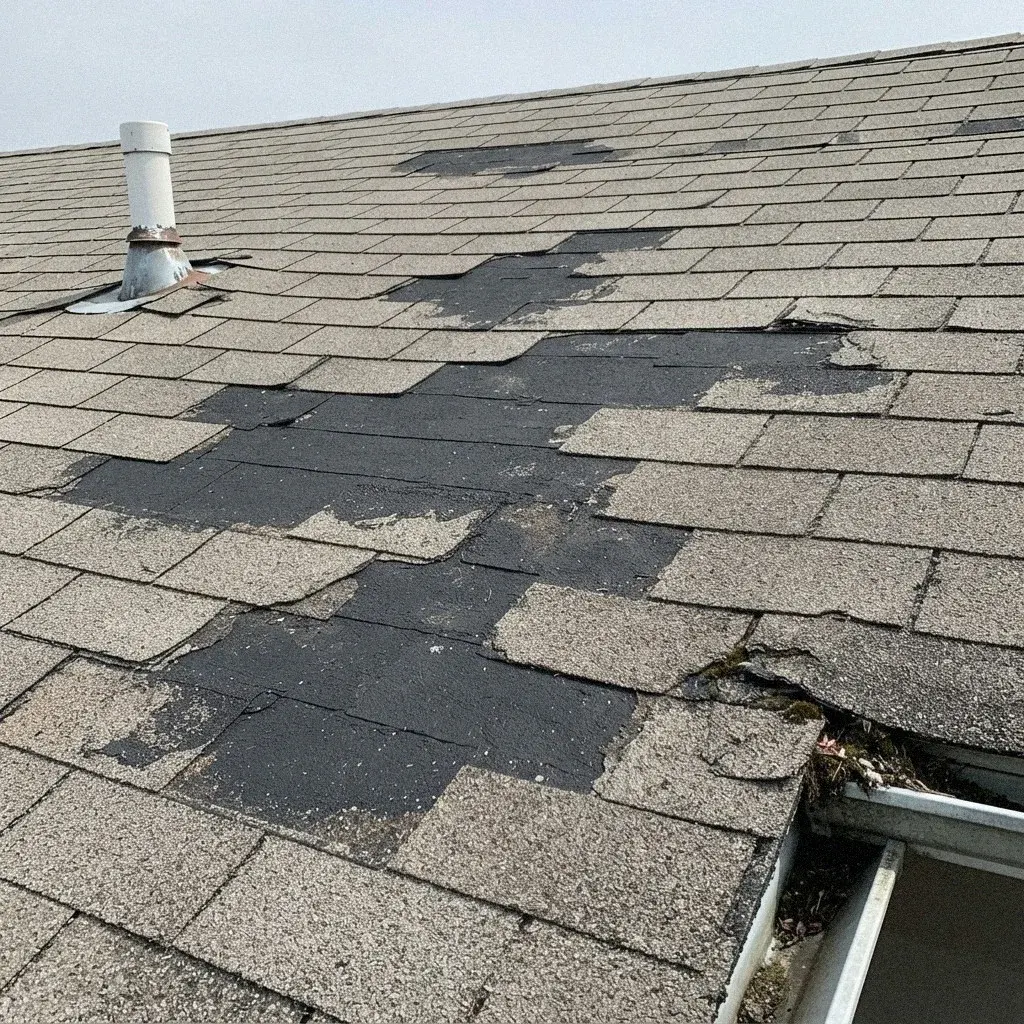
Local licensed pros fix the damaged spot, not the whole roof, and put the scope in writing first.
Learn about Roof RepairFulton · Kingfield · Tangletown · Diamond Lake · Keewaydin · Longfellow · Seward · Powderhorn Park
Near North's build eras span decades rather than one period. Early 1900s single-family homes sit alongside mid-century construction, public housing developments, and newer infill built where redevelopment initiatives replaced older structures. That range means roof age and roofing material vary block by block, not neighborhood-wide.
Bassett Creek runs near parts of Near North, and lots close to it can see heavier summer flash flooding from thunderstorms than interior blocks. That affects gutters and drainage around a roof more than the roofing material itself, but it's worth checking after a hard summer storm.
They ask more of whoever is doing it. Near North holds some of the city's oldest housing, late-1800s and early-1900s Victorians and foursquares, several of them designated, and those rooflines are cut up in a way a plain gable is not: turrets, dormers, steep pitches, and a lot of flashing where planes meet. More flashing means more places to get wrong. Where a house carries a designation there can be limits on what the covering may look like, so that is worth checking before material is ordered.
Even infill built after redevelopment isn't immune. Minneapolis winters put ice dams and frost heave stress on any roof regardless of build era, and flashing around newer additions or replatted lot lines sometimes gets installed against an older roof structure it wasn't originally designed for.
Near North sits close to downtown Minneapolis and within easy reach of the North Loop and other nearby neighborhoods, well inside a normal service radius for pros already working the city. Its location off Olson Memorial Highway and Broadway Avenue keeps it accessible without a long drive from most parts of the metro.
Usually the same day, yes. Urgent jobs jump the queue here: water coming through a ceiling, a slope torn open by wind, or a limb down on the roof. Those are taken around the clock. Anything that can safely wait is booked at the standard rate instead.
Minneapolis roofs answer to the same winter, but not identically. A foursquare in Tangletown with tight attic ventilation ice-dams differently than a bungalow near Lake Nokomis with more roof exposed to open sky. Homes close to the Mississippi River gorge catch different wind than ones tucked into Fulton or Kingfield. Hail from a summer thunderstorm hits every neighborhood the same day, but the roof underneath it, its age, its pitch, its attic insulation, is never quite the same house to house.
Call (612) 493-0152