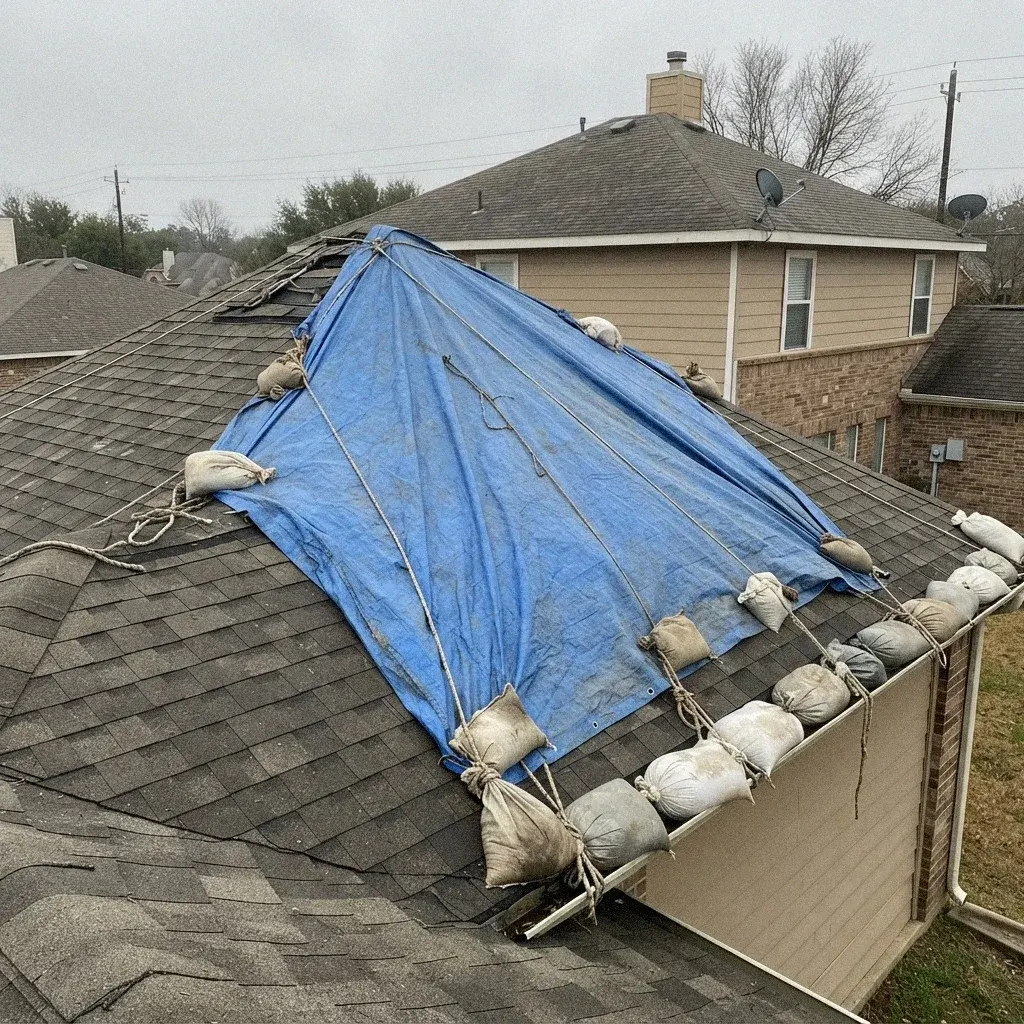
Emergency Roof Tarping
Open roof? A local licensed pro covers and anchors it, often the same day, before the next rain finds it.
Learn about Emergency Roof TarpingGrid-platted Near North streets mixing early-1900s homes with newer infill after redevelopment.
Willard-Hay sits in the Near North area, west of downtown, with Penn Avenue and Golden Valley Road running through it as the main ways in. The housing is early 1900s through mid-century, modest single-family homes on standard city lots, mixed with public and subsidized developments and infill from later redevelopment. Roof age varies house to house rather than by block.
Freeze-thaw cycling, ice damming, and sudden hail load a roof with stress no single season fully explains.
Snow load and meltwater test a roof two different ways. One asks whether the framing under a house in Willard-Hay can carry the weight; the other asks whether every seam can shed water sideways rather than down. A roof passes the first for years while quietly failing the second.
Bassett Creek raises the humidity noticeably around the houses nearest it. That shows up in the attic as much as on the roof - condensation on the underside of the sheathing is a ventilation problem, not a leak, and the two look identical from below.
Like the rest of Minneapolis, Willard-Hay sees winters with ice dams and frost heave against older foundations, plus hail and severe summer thunderstorms as the main warm-season threat to shingles here. Summer humidity and heat swings stress a roof quietly rather than dramatically. Shingles expand and contract through the day, sealant strips age faster than the shingle above them, and neither problem announces itself until a heavy rain finds the gap.
We would rather you knew the range now than found out after the visit. Anything outside these figures gets explained before we start.
| Service | Estimated cost |
|---|---|
| Emergency Roof Tarping | an estimated $350–$1400 |
| Roof Leak Repair | an estimated $450–$2400 |
| Storm & Wind Damage Roof Repair | an estimated $900–$7500 |
| Roof Repair | an estimated $400–$2200 |
Homes backing onto Theodore Wirth Park's tree line get more shade and leaf litter than interior blocks, which slows drying and can push moss growth on shaded roof slopes after wet stretches.
Penn Avenue runs as the neighborhood's north-south arterial, and the older homes fronting it tend to share the same early-1900s build era as the residential blocks just behind them.
Willard-Hay sits within the larger Near North area, where redevelopment initiatives have layered newer infill construction in among the original pre-war housing stock over the decades.
Open roof? A local licensed pro covers and anchors it, often the same day, before the next rain finds it.
Learn about Emergency Roof Tarping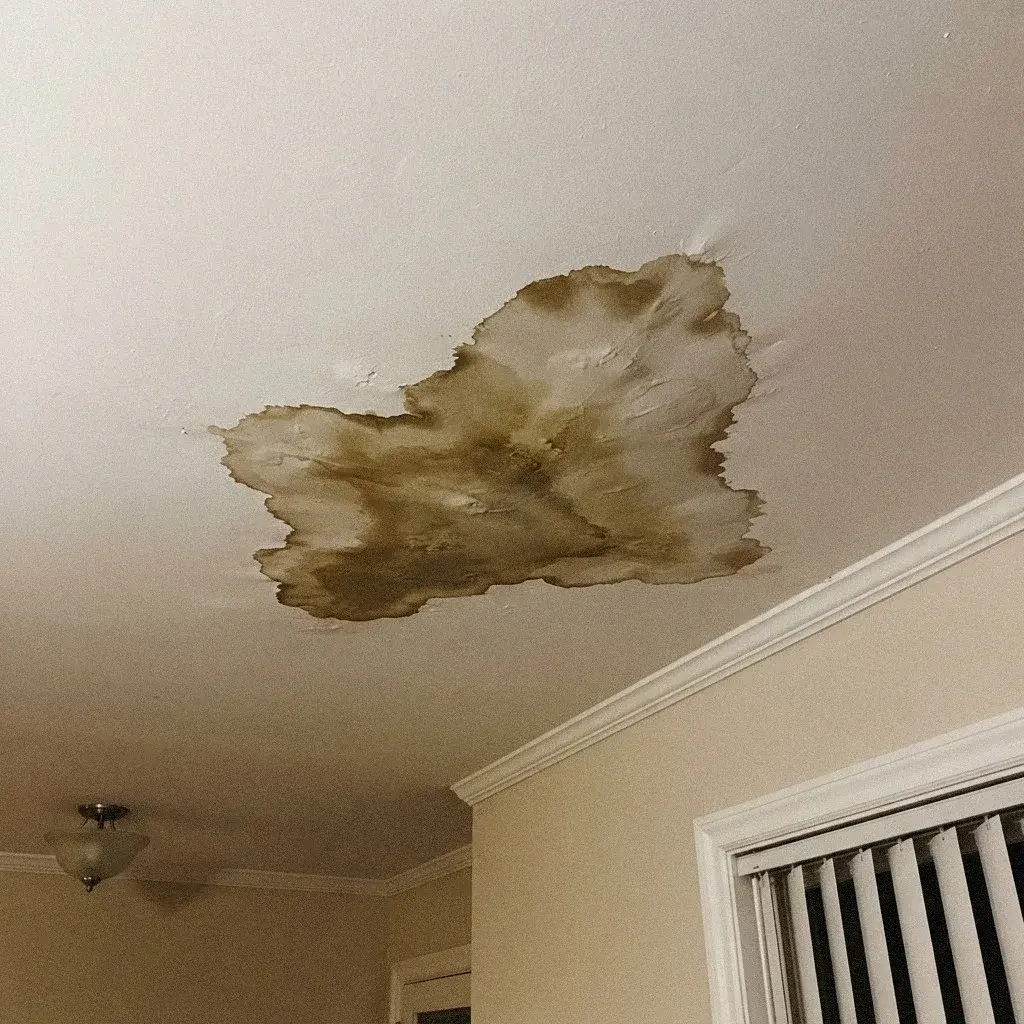
Call now to reach a local licensed pro who traces your leak to its real entry point and fixes it.
Learn about Roof Leak Repair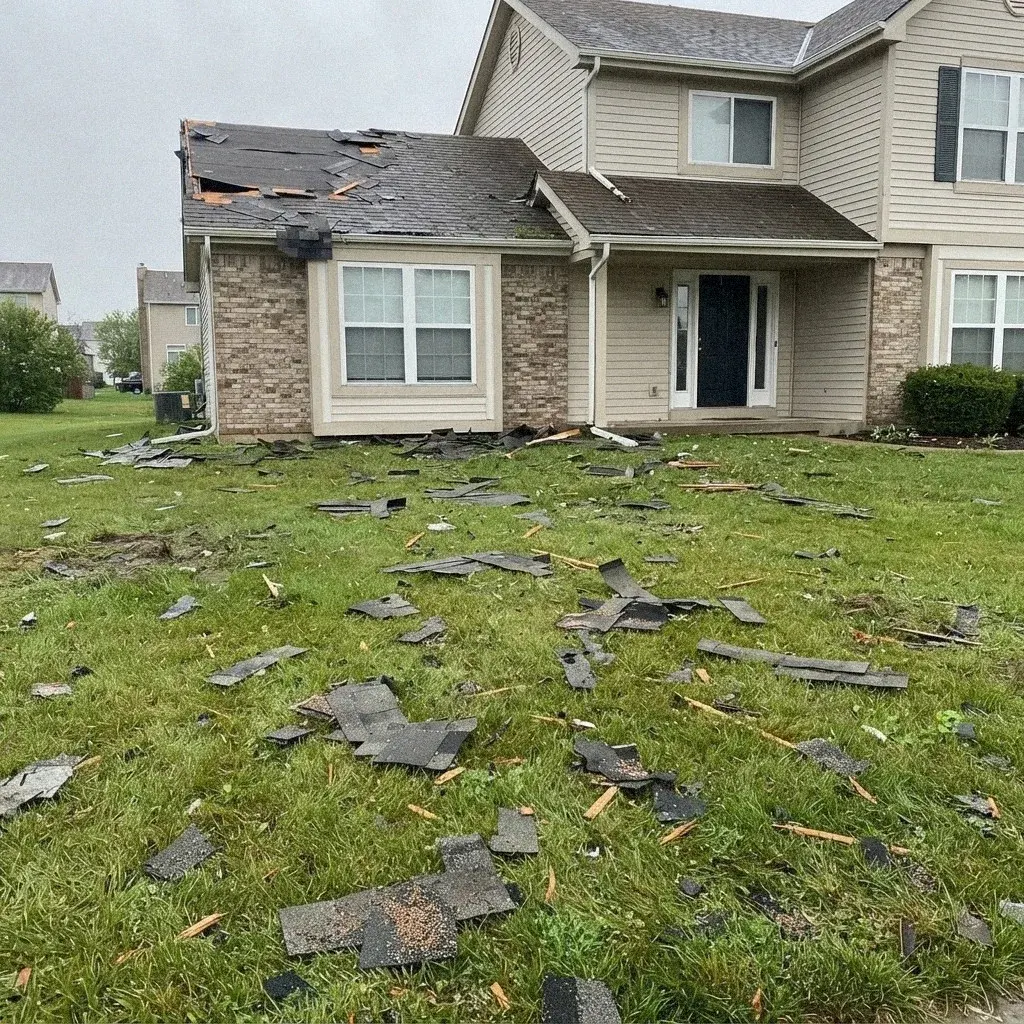
Fast inspection and repair after high wind, hail or falling limbs, by a local licensed pro.
Learn about Storm & Wind Damage Roof Repair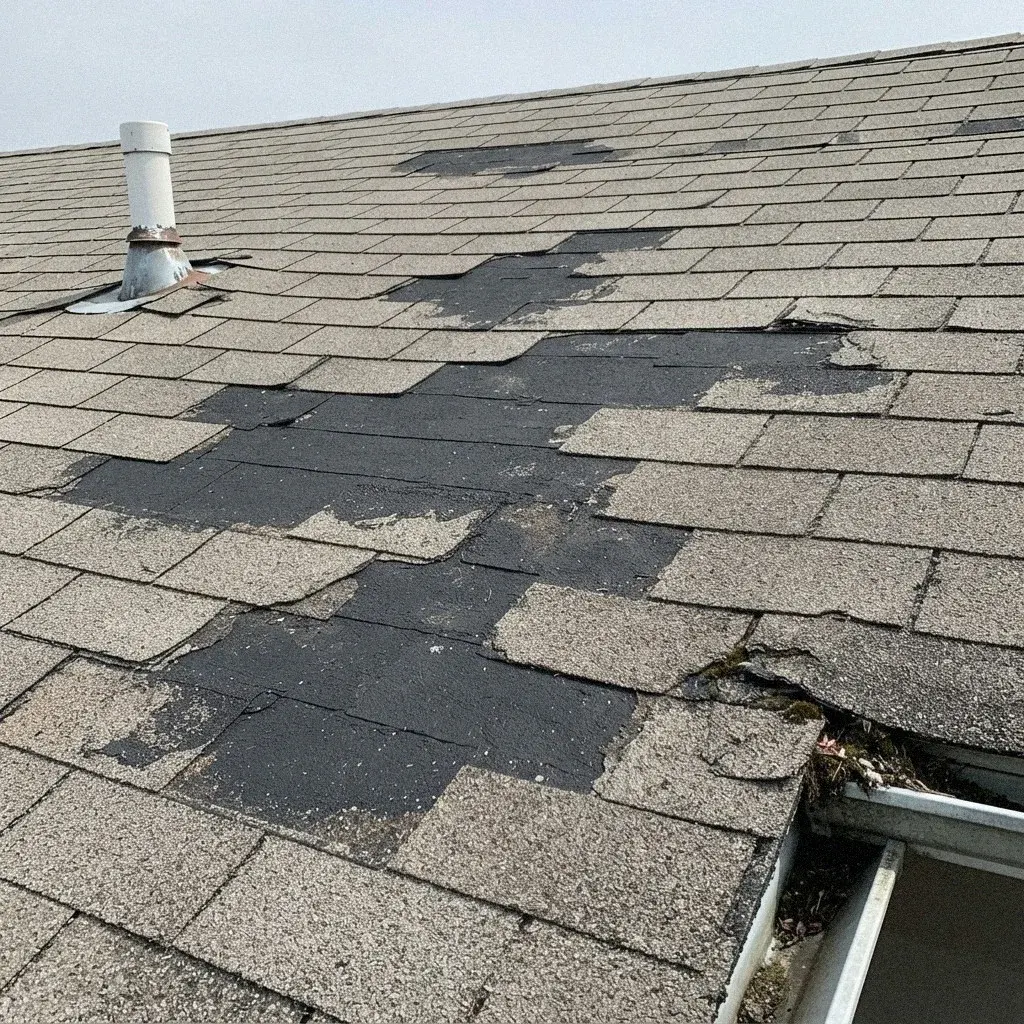
Local licensed pros fix the damaged spot, not the whole roof, and put the scope in writing first.
Learn about Roof RepairSeward · Powderhorn Park · Near North · Edina · Bloomington · Golden Valley · North Loop · Downtown West
Much of Willard-Hay's housing stock dates from the early 1900s through mid-century, so original roof coverings on the older homes are well past a first replacement. Newer infill built after redevelopment initiatives carries younger roofing, so age varies block to block rather than holding to one build era across the neighborhood.
Lots near Theodore Wirth Park's tree line pick up more shade and leaf litter than the open blocks further into the grid, which slows roof drying after rain and can encourage moss on north-facing slopes. Interior streets away from the park see less of this effect.
A large share of homes here went up before mid-century, so flashing, decking, and attic ventilation on those roofs are further along in their service life than on the infill built after redevelopment. Minneapolis winters add ice dam stress every year, which speeds up wear on aging materials.
Not as a rule. Minneapolis neighborhoods are not generally governed by a homeowners association, so most Willard-Hay owners are free to choose a covering without seeking approval first. The exceptions are specific: a townhome or condominium building will have its own governing documents, and those decide both what is allowed and who pays. If your property is part of an association, read the documents rather than assuming, because the roof is often common area and not the owner's to replace.
The mix of early-1900s houses and newer infill means some roofs are original and aging out while others were replaced during redevelopment. Minneapolis's ice dams and summer hail add wear every year, so timing for replacement depends more on a given house's build era than on the neighborhood as a whole.
Yes. Willard-Hay sits a short drive from Minneapolis, so same-day slots are realistic when you call in the morning. The emergency line runs 24 hours for anything unsafe or spreading fast, and that includes weekends and holidays. For a contained problem, a booked daytime visit is the same work for less money.
Minneapolis roofs answer to the same winter, but not identically. A foursquare in Tangletown with tight attic ventilation ice-dams differently than a bungalow near Lake Nokomis with more roof exposed to open sky. Homes close to the Mississippi River gorge catch different wind than ones tucked into Fulton or Kingfield. Hail from a summer thunderstorm hits every neighborhood the same day, but the roof underneath it, its age, its pitch, its attic insulation, is never quite the same house to house.
Call (612) 493-0152