Apartments & Multifamily
Multifamily Roofing
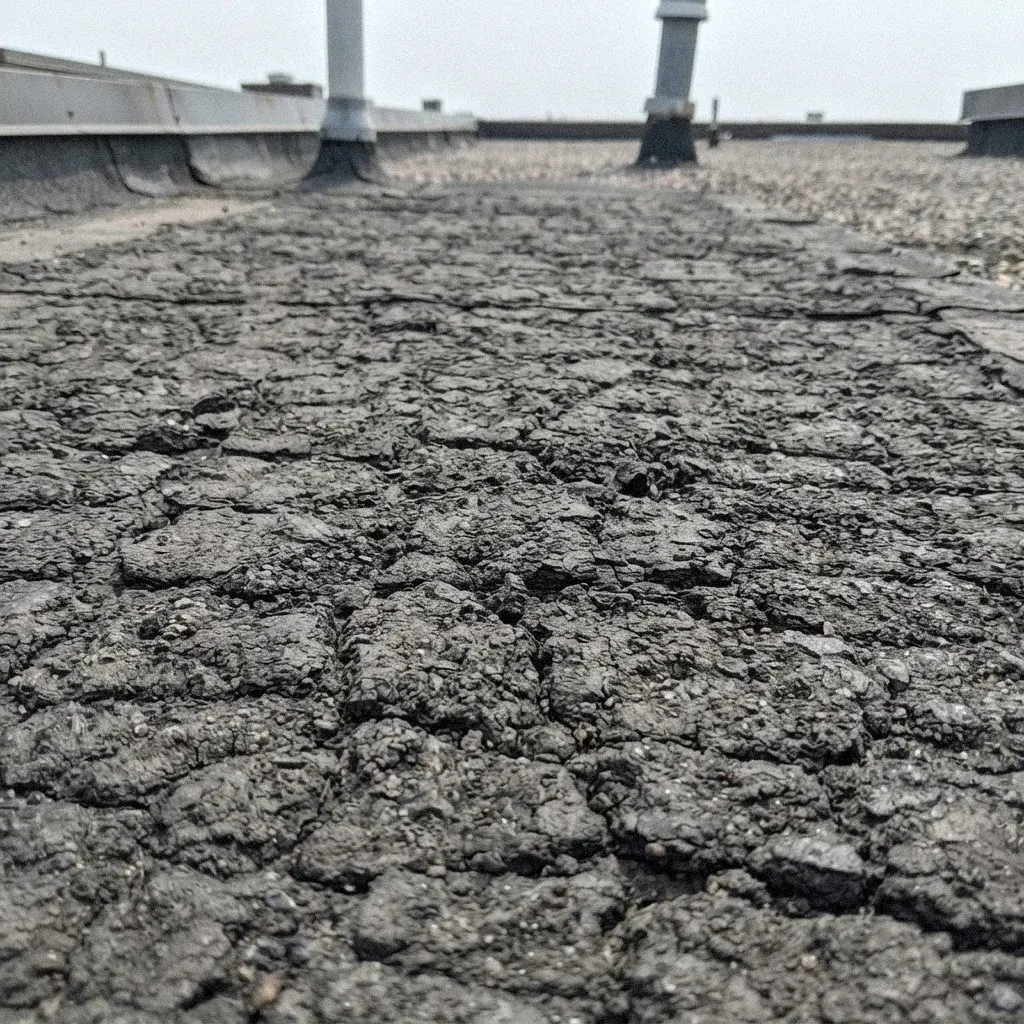
Summer-window school and campus roofing, phased by wing, closed out before the reopening deadline.
Minneapolis school and campus roofing goes on inside the summer work window, split across a multi-year roof plan when the campus has several wings, and finished before the reopening deadline hits in late summer.
A Minneapolis school roof only comes open for real work when the building is empty, and that means the summer work window drives everything. Once the last bell rings, the crew has roughly ten to twelve weeks before students walk back in for fall. A district running campuses across the city cannot treat that window as flexible. It sets the reopening deadline, and every other decision on the project gets built backward from that date.
That fixed calendar rules out a wait-and-see approach to a failing school roof. A leak over a gymnasium roof section or a library and media room interior cannot sit through another Minneapolis winter without risking frost heave and ice dam damage getting worse under snow load. Districts weighing several aging campuses tend to move on the section showing clear failure now, not the section that happens to be oldest on paper.
Because one summer rarely covers an entire campus, most school roof work becomes a multi-year roof plan phased by wing. A campus might see one wing reroofed this summer and a different wing the next, spread across several years rather than tackled all at once. That sequencing keeps any one summer's disruption contained to one part of the building instead of shutting down the whole campus at once.
Deciding which wing goes first takes mapping, not guesswork. Facilities staff need to know which sections are holding standing water, which flashing has aged out, and which roof areas are shedding granules or showing soft spots before they draw up next summer's scope. That assessment has to happen with enough lead time to feed the district's procurement schedule, since roofing material for a school job is not something ordered the week before break starts.
Custodial coordination runs alongside that mapping. Whoever manages the building day to day needs to know which entrances, hallways, and mechanical access points a wing closure will affect, especially if summer cleaning, floor work, or equipment moves are already scheduled around the same wing. Getting that sequencing wrong means fighting the school's own maintenance calendar instead of working alongside it.
| Wing | What Matters Here | Scheduling Note |
|---|---|---|
| Scope per summer | One roof, one summer | One wing per summer |
| Procurement lead time | Weeks ahead of work | Board approval months ahead |
| Staging setup | One fenced zone | Fenced zone moves wing to wing |
| Building occupancy | Fully empty for the summer | Finished wings may reopen early |
| Bus loop and playground | Clear of staging entirely | Fenced off from the active wing |
| Gymnasium wing | Final walk-through before staff returns | Scheduled with a buffer before reopening day |
| Gymnasium roof section | Wide open span, easier crane and staging access | Often the first wing tackled in a phased plan |
| Library and media room roof | Book and equipment damage risk if water gets in | Sequenced with extra care around collections and wiring |
None of this gets decided in May. Board approval for a Minneapolis school roof project typically happens months before the actual work, often the fall or winter before the summer it runs, because the budget has to clear before a contractor can be locked in. A district treating summer planning as a spring task is usually already behind.
That approval timeline competes with everything else on a district's capital list, from boiler replacement to parking lot repaving, all fighting for the same board agenda and the same limited dollars. A roof project has to make its case against those other needs well before anyone is thinking about summer at all, which is part of why the decision gets pushed into fall and winter meetings instead of waiting.
Missing that approval window usually means missing the summer entirely, not just slipping a few weeks. A contractor's own calendar fills up with other school and commercial work across the Minneapolis area, and a district that locks in scope late may find the crew it needs is already committed elsewhere for the only months the building can be worked on.
Site access control on an active or newly-emptied Minneapolis campus is its own planning problem, separate from the roof work itself. Staging has to sit inside a fenced work zone kept clear of the playground and away from the bus loop, since even a summer-emptied campus often still has a bus loop in use for summer programs or maintenance deliveries.
Material staging for a reroof, whether it is bundles of new shingle or torn-off decking and old flashing pulled from a gymnasium roof section, needs a spot that will not block a fire lane or sit anywhere close to where kids might wander before or after a summer session. Getting that placement wrong on the first day usually means moving it again later, losing time nobody has to spare.
Occupied-building protocol still matters even once the regular school year ends, because a Minneapolis campus is rarely fully empty in summer. Summer school sections, sports camps, or district maintenance staff working elsewhere in the building mean parts of it stay in use while a wing overhead is torn open.
Noise, debris, and dust from tear-off have to stay contained away from whatever is still running in the building, which takes coordination with whoever is managing the campus that week. Loose nails and torn underlayment near a library and media room interior or a gymnasium in active summer use are a different kind of problem than they would be on a fully vacant building.
The reopening date on a school roof is not a target, it is a wall. A district sets it, buses are booked against it, and staff report before it, so a wing that is not finished does not simply run a week over the way a house job might. It means classrooms relocated, a fenced zone inside an occupied building, and a principal fielding questions. That is why a Minneapolis campus reroof gets scoped backward from the first day of school: the last week of the window is held empty on purpose, for weather days and for whatever the tear-off found that nobody expected.
A punch list still open when the first buses run in fall creates a different kind of problem than a delayed home job would. Contractors and equipment competing with returning staff, deliveries, and a fenced work zone that should have already come down turns a finished roof into an unfinished first day of school.
Closeout on a Minneapolis campus roof means the punch list clears before the first bus rolls through the loop, not after. Flashing gets checked at parapets, drains get tested with a hose, and any wing still short of final sign-off carries a tarp into fall rather than a finished roof, which nobody wants sitting over a Minneapolis school building through winter.
A roof's real age isn't just the year it was installed. Attic insulation, ventilation, and how many winters of ice sat on the lower edge all push wear at different rates. Two houses built the same year can need very different work by the time either one gets inspected.Edina, Bloomington and Golden Valley. Most roof damage in Minneapolis builds slowly rather than arriving all at once. Melting and refreezing snow backs up at the eaves, ice dams form, and water works under shingles into the attic before anyone sees a stain on a ceiling below.
A roof's real condition often has little to do with its listed age. Two houses with the same shingle year can differ once you weigh attic insulation, tree cover, and how many winters of ice-damming they have taken. A number on paper tells you less than a look at the decking underneath.No two roofs near Bde Maka Ska or out toward Tangletown price the same, because the number follows what the shingles and decking show once someone's actually up there. A foursquare with original flashing reads differently than a re-roofed bungalow near the Mississippi River. Get the estimate from what's on the roof, not a guess from the street. pricing guide, and the commercial overview covers how a scheduled program works.
Multifamily Roofing
Condo & HOA Roofs
Commercial Roofing
The summer work window on a Minneapolis campus generally runs from early June through late August, once students clear out and before the reopening deadline forces everyone back through the doors. Weather narrows it further since Minneapolis thunderstorm season overlaps that same stretch, so a crew plans around both the calendar and the forecast.
Usually yes. A campus with a gymnasium and several classroom wings rarely gets fully redone in one Minneapolis summer, so the work gets phased by wing across a multi-year roof plan instead. One wing closes out this year, another next, and the building stays occupied and usable every fall in between.
Board approval and the procurement schedule for a Minneapolis school reroof typically get settled months before any crew shows up, often at winter or spring meetings. Budget sign-off, contractor licensing checks against Minnesota's Department of Labor and Industry roster, and material lead times all get worked out well ahead of the summer work window.
Fenced work zones keep material staging, torn-off shingles, and dumpsters away from playground equipment and the bus loop at every Minneapolis campus we've seen described. Site access control matters even in summer if a building runs any kind of program, since custodial staff and supervisors are still moving through the halls.
Ask the licensed pros we connect you with to map your summer reroof against board approval and your reopening deadline.
Call (612) 493-0152