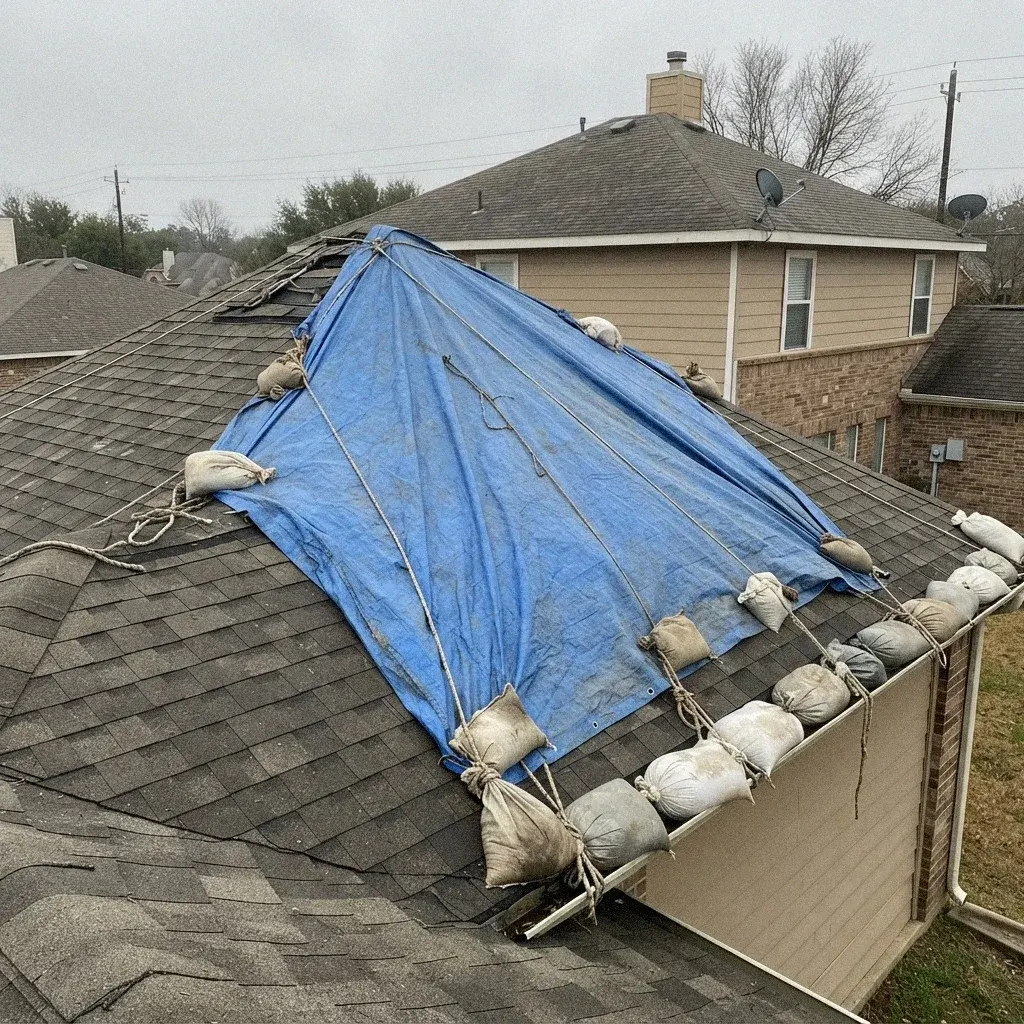
Emergency Roof Tarping
Open roof? A local licensed pro covers and anchors it, often the same day, before the next rain finds it.
Learn about Emergency Roof TarpingA platted hilltop street grid unlike any other Minneapolis neighborhood.
Prospect Park is the neighborhood inside Minneapolis city limits built around Tower Hill, its curving plat laid out to follow the ridge rather than a grid, with narrow lot lines and a mix of frontage widths uncommon this close to the university.
Freeze-thaw cycles, heavy snow load, and summer hail each stress a roof in a different way across the year.
Anywhere close to Mississippi River, expect the roof to stay wet longer after rain. A slope that never dries out properly holds moss in the shingle seams, and moss lifts the course above it, which is how a cosmetic problem turns into a leak.
The hill's grade sheds meltwater differently than flat blocks nearby, so ice dam backup at low eave lines and gutter overflow after summer thunderstorms both come up on this housing stock's older roofs. Snow load isn't just a winter inconvenience — it's sustained weight sitting on a structure for months at a time. Older roofs already carrying wear from prior seasons are the ones where that steady load turns a small issue into a sagging one.
Given University of Minnesota nearby, commercial standards apply to a lot of the work here: a scope agreed in writing, materials matched to the existing system, and a report a property manager can file without having to explain it.
Ballpark figures so you can plan. Nothing is charged until you have seen a written estimate for your own property.
| Service | Estimated cost |
|---|---|
| Emergency Roof Tarping | an estimated $350–$1400 |
| Roof Leak Repair | an estimated $450–$2400 |
| Storm & Wind Damage Roof Repair | an estimated $900–$7500 |
| Roof Repair | an estimated $400–$2200 |
| Flashing & Chimney Repair | an estimated $350–$1900 |
Tower Hill gives the neighborhood its shape, with streets curving around the rise instead of running in a grid, so roof lines on the surrounding houses catch runoff at different rates depending on which side of the hill a lot sits on.
University Avenue is the corridor connecting Prospect Park toward Dinkytown and the university, lined with a mix of older houses and newer construction where roof age varies block to block rather than following one build era.
The river marks the edge of this part of Minneapolis, and the drive along its bluffs shows how the hill's older housing stock sits apart from the flatter streets closer to the water below.
Open roof? A local licensed pro covers and anchors it, often the same day, before the next rain finds it.
Learn about Emergency Roof Tarping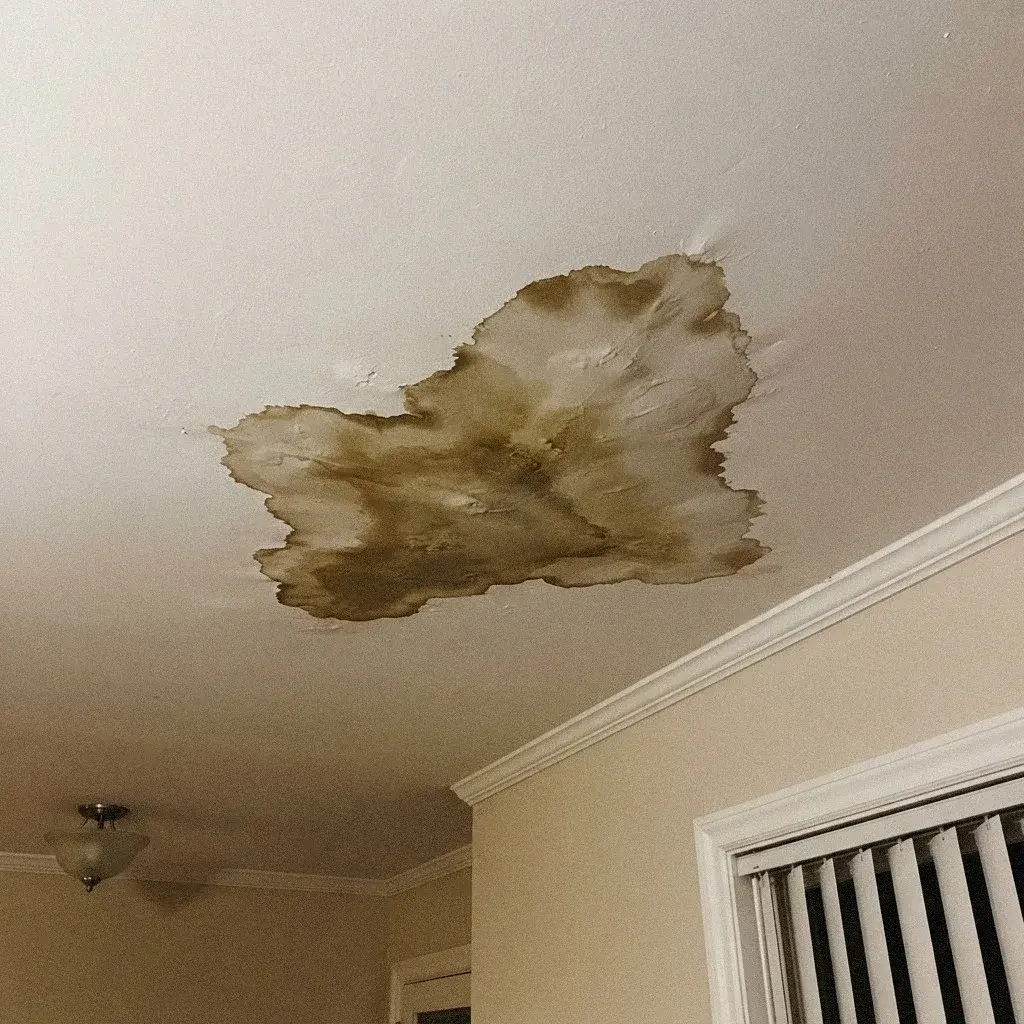
Call now to reach a local licensed pro who traces your leak to its real entry point and fixes it.
Learn about Roof Leak Repair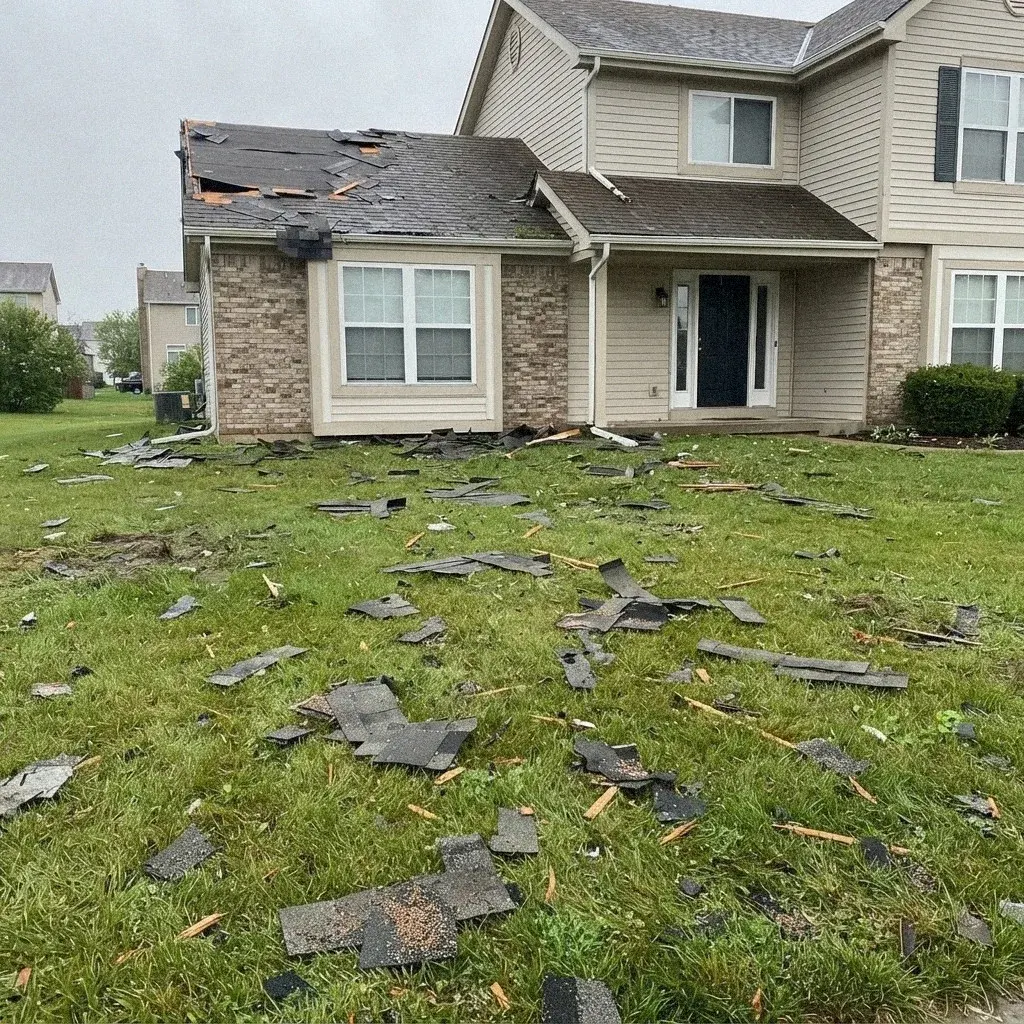
Fast inspection and repair after high wind, hail or falling limbs, by a local licensed pro.
Learn about Storm & Wind Damage Roof Repair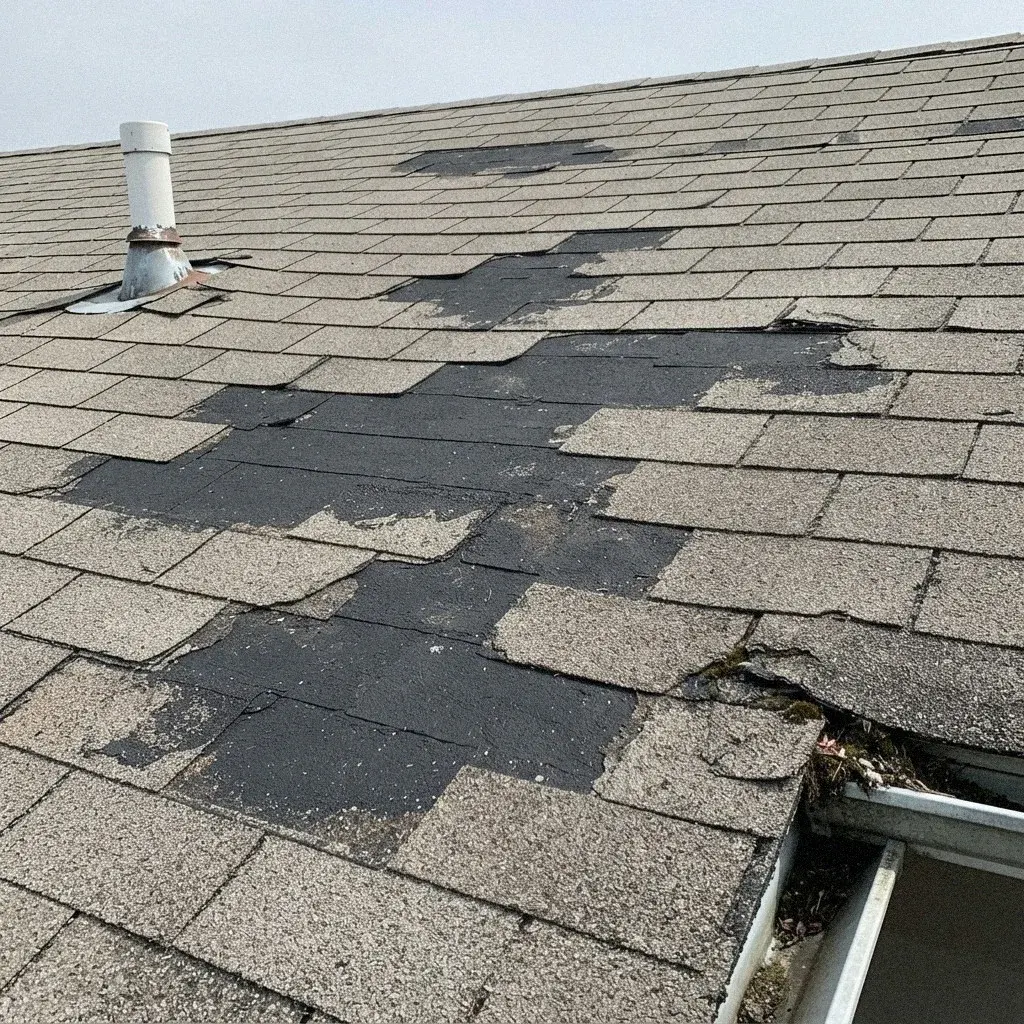
Local licensed pros fix the damaged spot, not the whole roof, and put the scope in writing first.
Learn about Roof RepairMost houses on Prospect Park's hill streets date from the early 1900s through the 1930s, Craftsman bungalows and foursquares built on the curving plat around Tower Hill. Original roofs on that stock are well past a normal service life, and asphalt shingle has largely replaced whatever covering came before it.
Yes. Tower Hill's grade changes how water moves off a roof compared to flat blocks nearby, and low eave lines on older bungalows can back up with ice in winter. Gutters sized for a flatter lot sometimes overflow during a heavy summer thunderstorm instead of carrying water clear of the foundation.
Asphalt shingle covers most homes on these streets today, replacing older material on houses built through the 1930s. The narrow lot lines and tight frontage along the curving plat mean roof edges and valleys often sit close to a neighbor's roof line, which matters for flashing and ice-and-water barrier placement.
It sits right beside the university but it is its own Minneapolis neighborhood, not part of the campus. The practical overlap is the housing: a good share of the older houses on the hill have been converted to student rentals, which changes who reports a leak and who decides about fixing it. For anything to do with permits and inspections it is simply Minneapolis, the same as any other neighborhood inside the city limits.
Yes, filed with Minneapolis before the work starts. Prospect Park adds a wrinkle that has nothing to do with paperwork: the streets follow the hill rather than a grid, so lots are irregular and access is often steeper and tighter than a flat block. That affects where a dumpster can go and how material gets up, and it is worth raising when you call rather than leaving the crew to work it out on the morning.
If water is still spreading, a ceiling is sagging, or it has reached outlets or a panel, call now and it is handled as an emergency, day, night, weekend, or holiday. Prospect Park is a short drive from Minneapolis, which keeps response times short. For a contained problem that has already stopped, a planned visit costs less for identical work.
Minneapolis roofs answer to the same winter, but not identically. A foursquare in Tangletown with tight attic ventilation ice-dams differently than a bungalow near Lake Nokomis with more roof exposed to open sky. Homes close to the Mississippi River gorge catch different wind than ones tucked into Fulton or Kingfield. Hail from a summer thunderstorm hits every neighborhood the same day, but the roof underneath it, its age, its pitch, its attic insulation, is never quite the same house to house.
Call (612) 493-0152