An insurance adjuster looking at a Minneapolis roof after a storm is really asking one thing: did this happen on a particular day, or has it been building for years. That distinction decides the claim before anyone talks about shingles or slope. A hailstorm that crosses Longfellow or Kingfield in an afternoon is a sudden and accidental event. A roof that has simply aged past its service life under repeated Minnesota winters is not, and insurers treat those two situations very differently.
What Date of Loss Means
Date of loss is the specific day the damage is tied to, and it matters because it links the claim to a documented event. A severe thunderstorm that dropped hail across parts of Hennepin County on a known date gives an adjuster something to check against weather records. A homeowner in Kingfield or Tangletown who cannot point to a date, only a leak noticed sometime last spring, has a harder claim to support, even if the roof is genuinely damaged.
Functional Versus Cosmetic Damage
Functional damage means the shingle's ability to shed water or resist wind is actually compromised, such as a wind crease that breaks the seal or a hail bruise that fractures the mat underneath the granules. Cosmetic damage changes appearance without changing performance, like scuffed granules that still keep the shingle watertight. Insurers in Minneapolis pay close attention to this distinction because a roof can look rough after a storm near Powderhorn Park or Seward and still be functioning exactly as designed.
How a Wind Crease Reads
A wind crease is a fold or fracture line across a shingle where straight-line winds lifted it past its flex point without tearing it off. It often runs diagonally near the tab, and it breaks the shingle's ability to lie flat and seal against the one below it. Adjusters distinguish a wind crease from ordinary curling, which happens slowly over years as a shingle ages and loses flexibility in Minnesota's temperature swings.
What a Hail Bruise Looks Like
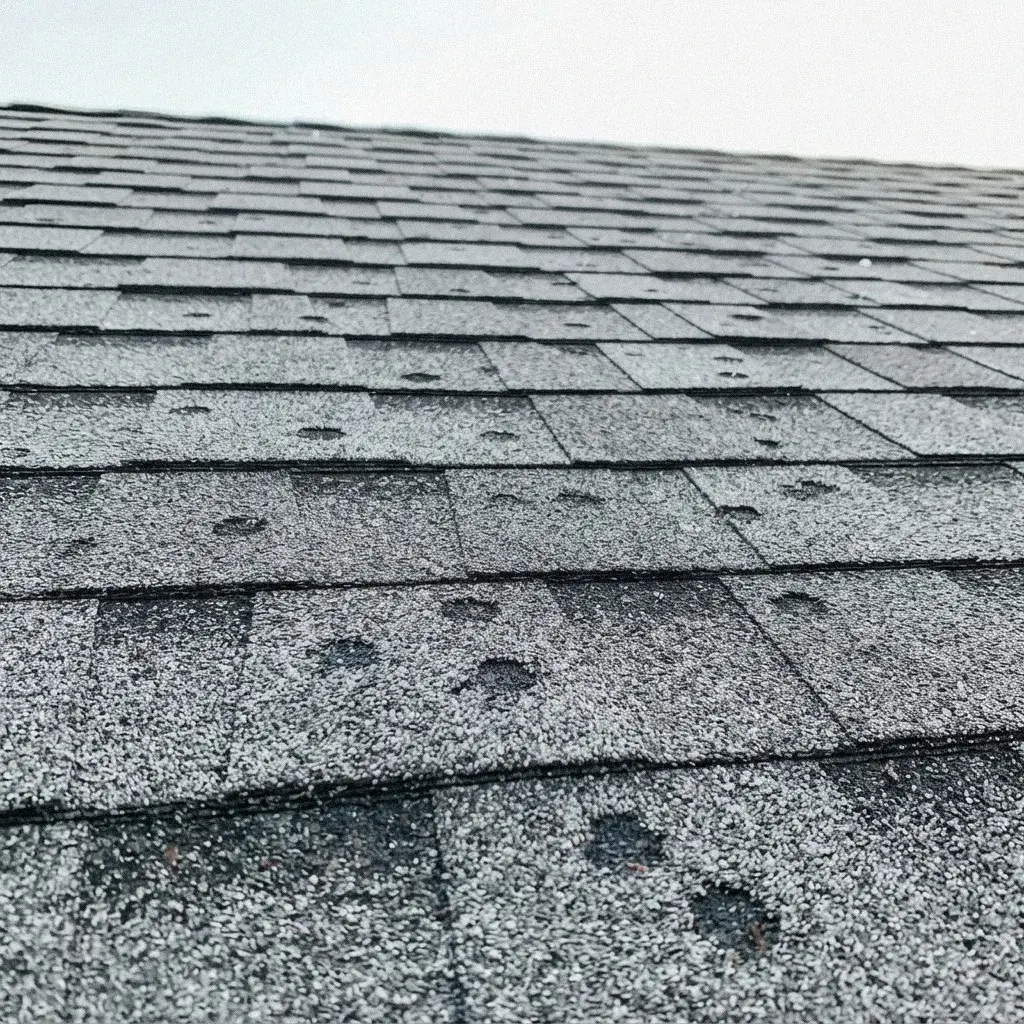
A hail bruise is a soft spot where hail struck hard enough to fracture the fiberglass mat beneath the granule surface, even if the granules themselves are not missing. Pressing on the spot often reveals give that the surrounding shingle does not have. This differs from granule loss caused by decades of sun exposure, which spreads evenly across a roof instead of showing up as isolated impact marks after one specific storm.
The Wear and Tear Exclusion
Depreciation complicates the comparison further. A policy paying actual cash value subtracts for the roof's age and condition even on an approved claim, so a 20-year-old roof near Powderhorn Park won't be reimbursed like a new one, sudden event or not. That's separate from the sudden-versus-gradual question, but homeowners often confuse the two. One decides whether the claim gets approved at all; the other decides how much the check covers once it is.
Why Age Alone Is Not a Denial
An older roof is not automatically an excluded claim. A twenty-year-old roof in Kenwood or Prospect Park can still sustain a covered, sudden hail bruise the same afternoon a newer roof across the street does. Age can affect depreciation and the payout under an actual cash value policy, but it does not by itself prove the damage came from wear and tear rather than a storm. Insurers still have to point to specific evidence of gradual decline, not just a birth year on the shingles.
What an Adjuster Inspection Checks
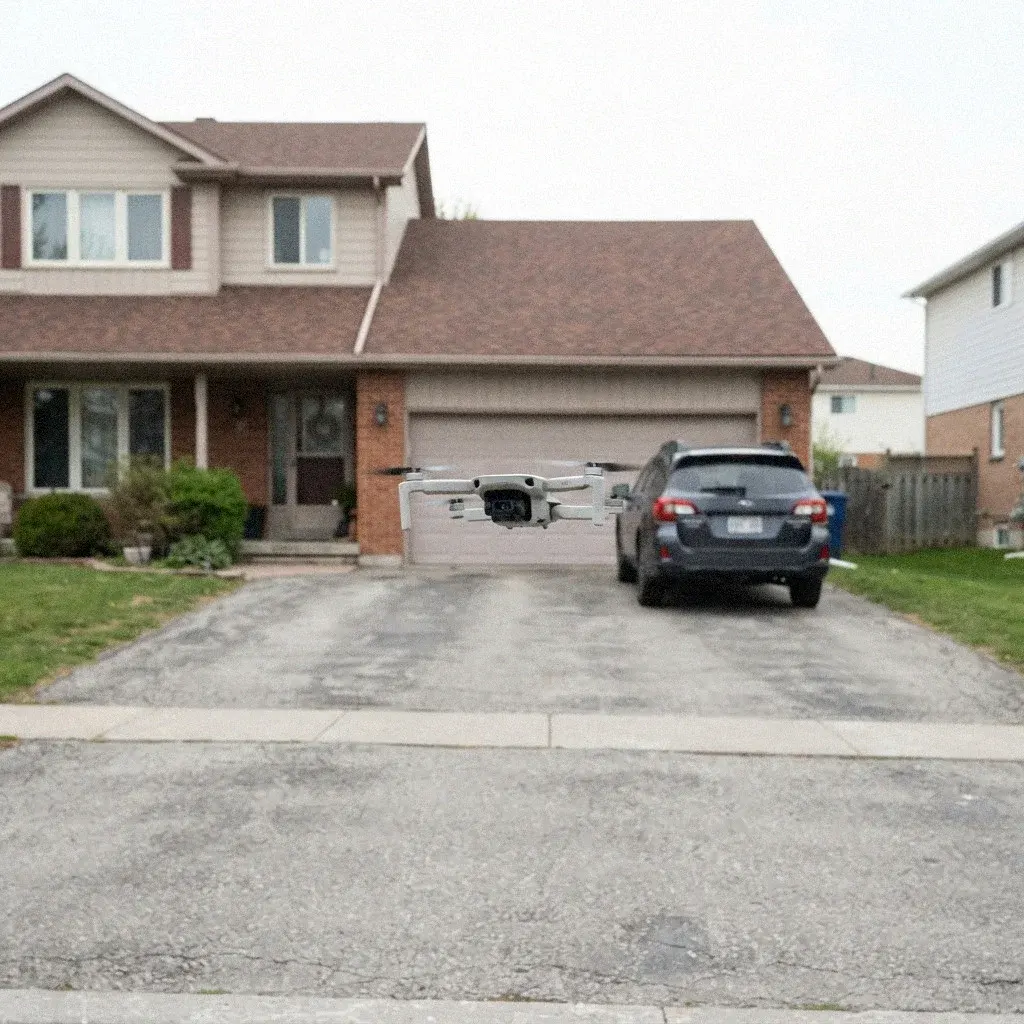
An adjuster inspection looks for patterns that match one cause or the other. Random, scattered impact marks across slopes facing the same direction the wind was blowing that day suggest a storm. Even, gradual thinning of granules across the whole roof, regardless of slope direction, points toward age. The adjuster is building a scope of loss, a record of what is damaged and why, and that record leans on these patterns more than on any single shingle.
Why Slope Direction Matters
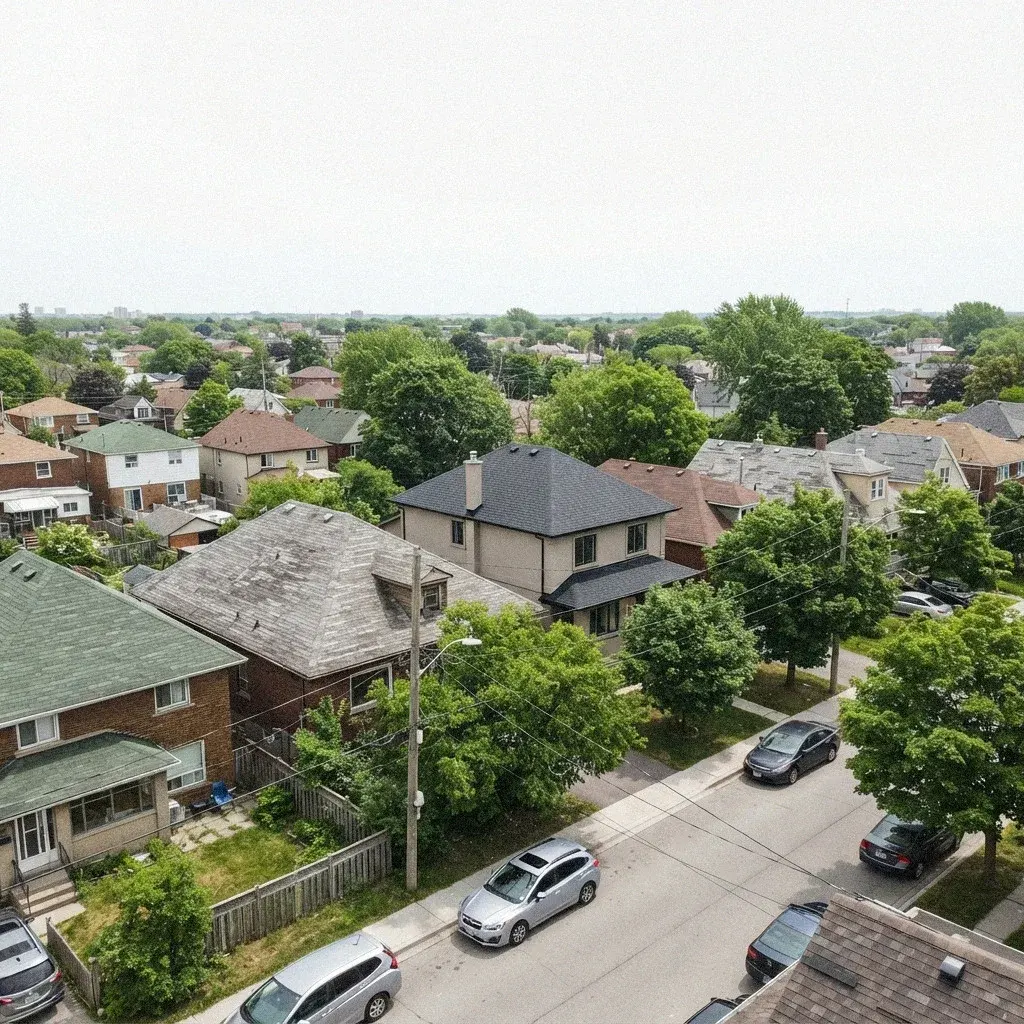
Hail and wind damage tend to concentrate on the slopes that faced the storm, since hail falls at an angle when wind is pushing it and shingles crease on the side taking the direct hit. A roof over a foursquare near Diamond Lake or Keewaydin might show heavy bruising on one slope and almost none on the opposite side. Wear and tear does not follow that pattern. It shows up everywhere the sun and weather have reached equally over the years.
Depreciation and Actual Cash Value
Once damage is accepted as a covered peril, most Minneapolis policies still calculate the payout using depreciation tied to the roof's age and condition, arriving at an actual cash value figure rather than full replacement cost up front. This is a separate step from the sudden-versus-gradual question. A roof can be found to have sudden, covered damage and still see its payout reduced for age, which is a different mechanism than an outright denial for wear and tear.
Documenting the Roof Beforehand
Photos or notes from before a storm help separate old wear from new damage when a claim is reviewed. A homeowner in Linden Hills or Cooper who already had pictures of granule condition from a prior inspection has something to compare against post-storm photos. Without that baseline, the adjuster is left estimating what existed before the event, which tends to favor whichever side, insurer or homeowner, has clearer documentation.
Where Disagreements Usually Start
Most disputes between homeowners and insurers in the Twin Cities metro start at the edge between these two categories, not at the extremes. A roof with real storm damage layered on top of an aging surface gives both sides room to argue which came first. Understanding functional versus cosmetic damage, and what a specific date of loss can and cannot prove, is what keeps that argument grounded in the roof itself rather than in guesswork.
Dealing with this in your home?
Minneapolis roofs carry the weight of two seasons pulling in opposite directions. Bungalows near Kingfield and Longfellow trap heat in poorly vented attics, melting snow that refreezes at the eaves into ice dams. Come summer, hail off a Hennepin County thunderstorm can strip granules city-wide, no matter the neighborhood.