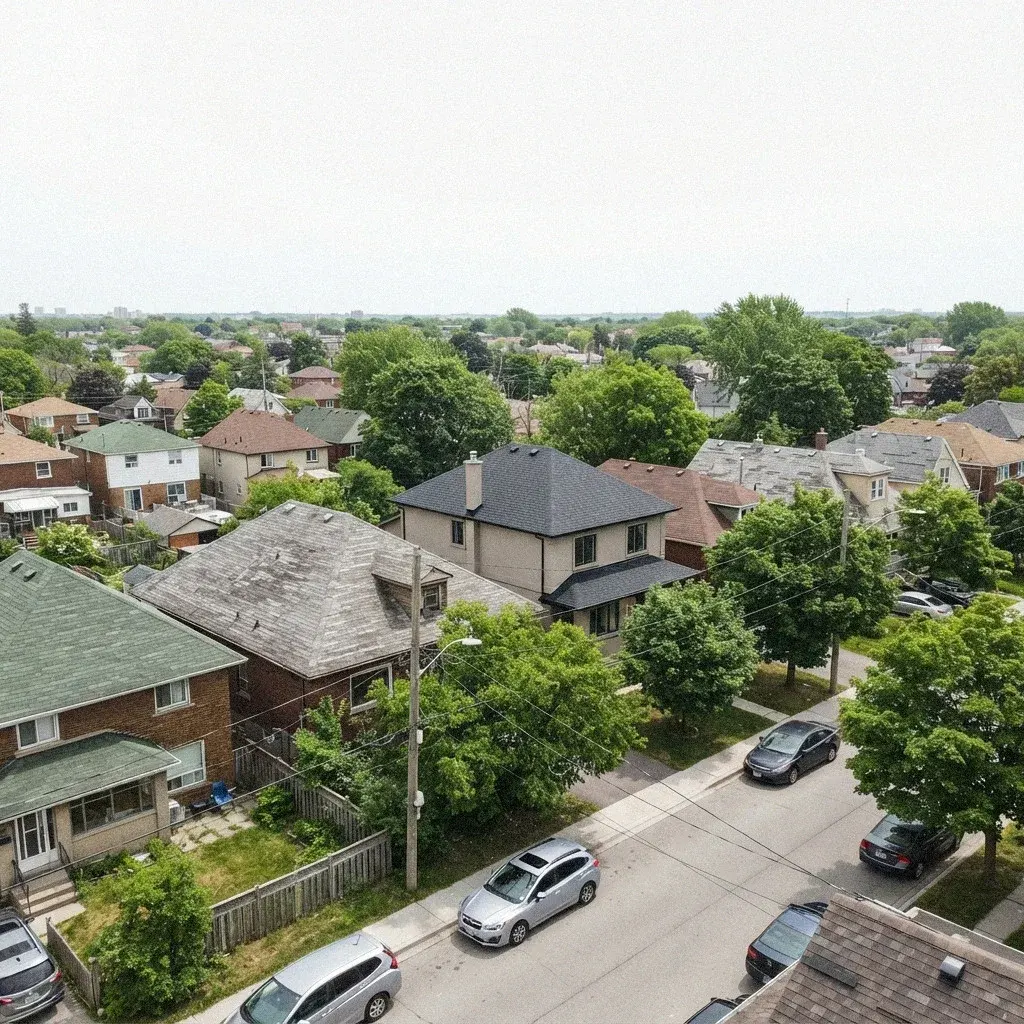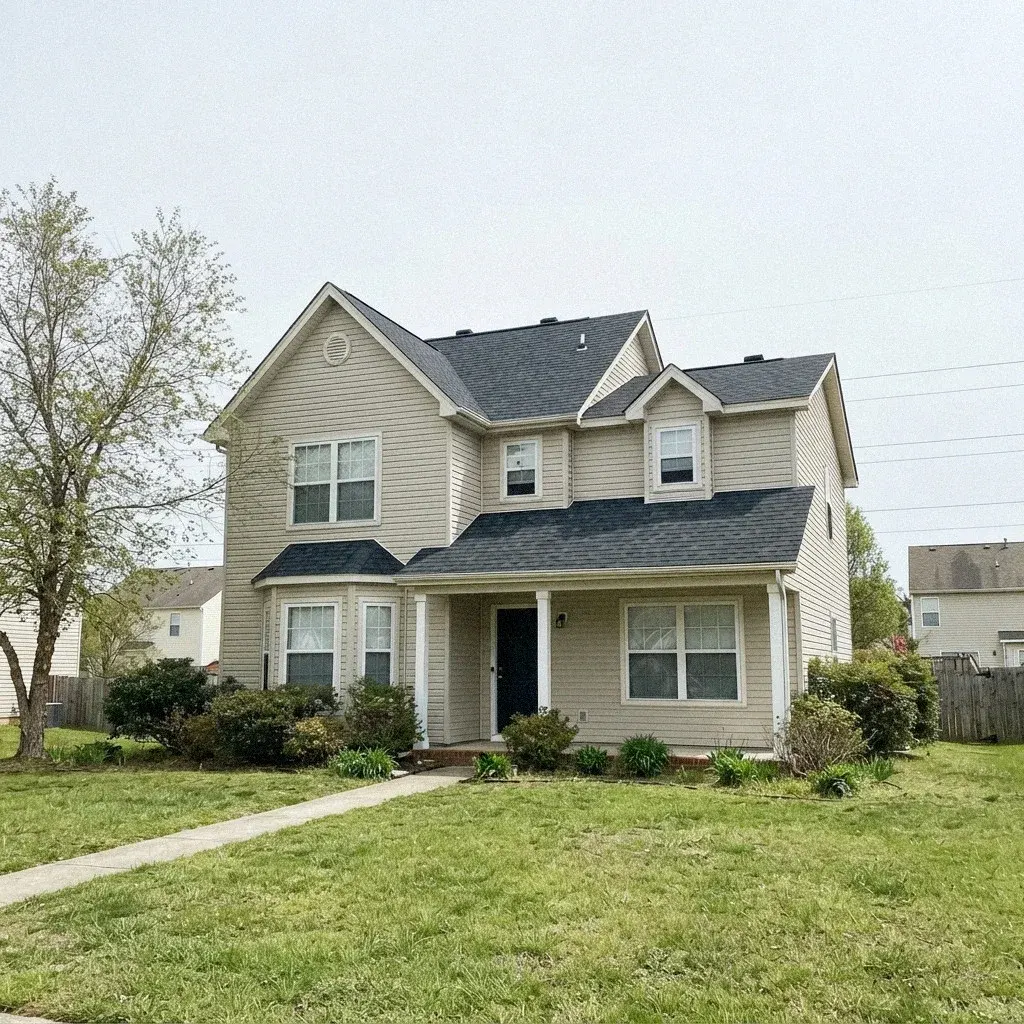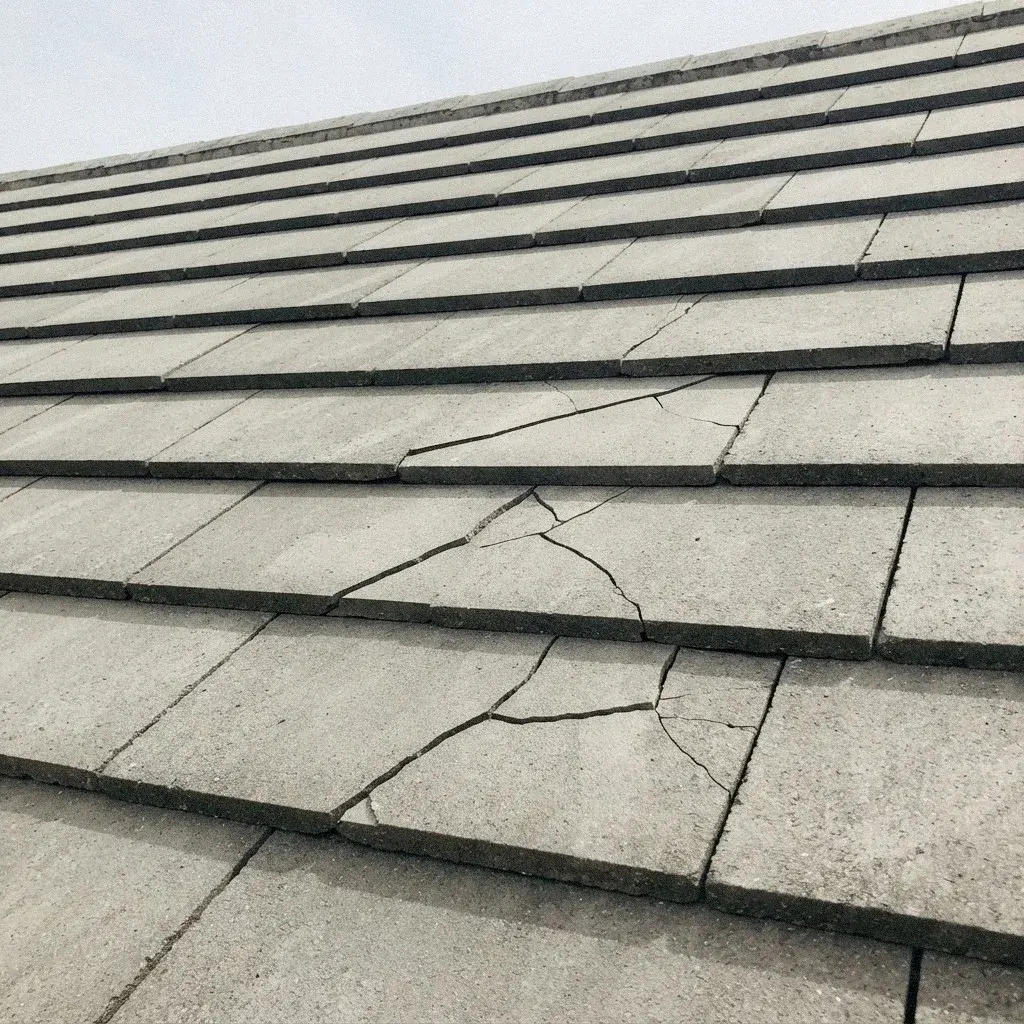
Composite and synthetic roofing describes shingles and shakes molded from polymer resin rather than cut from asphalt mats or split from cedar. A Minneapolis homeowner comparing a bungalow near Kingfield to a foursquare in Tangletown will notice the same synthetic slate profile repeated across both roofs. That repetition is the giveaway. Real slate and cedar shake vary piece to piece; composite roofing is injection molded, so the same mold produces the same texture across hundreds of pieces on a single roof.
The Polymer and Mineral Mix
The base material is a polymer resin, usually a blend of engineered plastics, mixed with mineral filler for weight, rigidity, and fire resistance. Manufacturers add UV inhibitors so the resin does not chalk or embrittle under sun exposure across a Minneapolis summer. Pigment is often color-through, meaning the color runs through the full thickness rather than sitting as a surface coating. That matters on a roof that will see decades of freeze-thaw cycling near the Chain of Lakes and beyond.
Molded Slate and Shake Profiles
Synthetic slate and synthetic shake are molded to reproduce the surface texture and edge irregularity of the natural material they imitate, using profile mold repetition to vary a handful of patterns across a run. A roof near Lake Harriet might use four or five distinct mold shapes rotated across the field so the repetition is less obvious from the street. The molding process is also why synthetic pieces hold tighter dimensional tolerances than split cedar or quarried slate ever will.
Dead Load On The Deck
Weight on the deck matters more than most Minneapolis homeowners expect. A composite or synthetic shake or slate profile is molded from polymer resin with mineral filler mixed in, and that combination lands noticeably lighter per square than quarried slate or split cedar, though still heavier than a standard three-tab. Before framing on a Fulton or Kingfield bungalow is trusted with it, an installer should confirm the rafters were sized for the actual dead load, not assumed from the original roof.
What Impact Rating Means
Impact rating measures how a roofing product performs against a falling steel ball or ice ball in a lab setting, and it is reported as a Class rating on the product data sheet. Many composite and synthetic shingles carry a higher impact rating than standard three-tab asphalt, which matters given the hail that comes with summer thunderstorms across the Minneapolis metro. The rating is specific to the tested product, not to the category as a whole, so it has to be verified per manufacturer, not assumed.
Fastening Differs From Asphalt
Fastening pattern for composite and synthetic roofing often differs from standard asphalt shingle installation. Some synthetic products use a specified nail count and placement unique to their molded shape, and some rely on clips or a mechanical interlock between pieces rather than exposed nails alone. Getting the fastening pattern wrong is one of the more common installation errors on these products, because a crew used to asphalt shingles can default to habit instead of following the synthetic manufacturer's printed instructions.
Matching Hip And Ridge Pieces
Hip and ridge accessory pieces are purpose-molded caps made to match the field shingle's profile at the roof's hips and ridge lines. Unlike asphalt, where a standard ridge cap works across most shingle lines, synthetic slate and shake usually require an accessory piece molded specifically for that product line. A homeowner near Longfellow comparing bids should confirm the matching ridge and hip pieces are included and priced, not treated as an afterthought once the field material is already ordered.
How Weathering Claims Are Tested
Accelerated weathering test results are how manufacturers claim a synthetic product will hold color and flexibility over time, since the product itself hasn't existed long enough for real-world decades of data. These tests cycle UV exposure, moisture, and temperature swings in a lab to simulate aging faster than it happens on an actual roof. It's reasonable to ask a supplier what standard their weathering claims are tested against, since not every synthetic product on the market has been tested the same way.
What To Verify Before Specifying
Before specifying composite or synthetic roofing on a Minneapolis home, a few things are worth confirming directly with the manufacturer's data sheet rather than a sample chip. Confirm the mineral filler content and resin type, the tested impact rating, the required fastening pattern, and whether matching hip and ridge accessories are sold for that specific product line. A synthetic slate line without a matched ridge accessory can leave a roof looking mismatched at every hip, even if the field shingles look right from the street.
Checking Weight Against The Structure
Weight is worth confirming against the existing structure before ordering material, especially on older housing stock. A Queen Anne or Colonial Revival home near Whittier built before 1940 was framed for whatever roofing was standard at the time, often lighter than some synthetic slate products available today. Checking dead load on deck against the manufacturer's stated weight per square is a straightforward step that avoids a structural surprise after the material is already on site near Elliot Park or anywhere else in the city.
Synthetic Slate Versus Synthetic Shake
Composite and synthetic products are not interchangeable with each other any more than asphalt and slate are interchangeable. A synthetic shake meant to imitate split cedar has a different mold texture and fastening approach than a synthetic slate meant to imitate quarried stone. Reading the specific product's data sheet, not just the marketing photo, is the only reliable way to know what impact class, weight, and fastening method actually apply before it goes on a roof in Kingfield, Fulton, or anywhere between.
Getting The Deck Looked At
Because synthetic and composite products vary so much between manufacturers, having someone look at the actual roof deck and framing before specifying a product avoids guesswork. The licensed pros we connect you with can check dead load capacity, confirm what accessory pieces a given product line requires, and verify the fastening pattern matches the manufacturer's instructions rather than habit from asphalt work. That conversation is worth having before material is ordered, not after.
Dealing with this in your home?
Minneapolis roofs carry the weight of two seasons pulling in opposite directions. Bungalows near Kingfield and Longfellow trap heat in poorly vented attics, melting snow that refreezes at the eaves into ice dams. Come summer, hail off a Hennepin County thunderstorm can strip granules city-wide, no matter the neighborhood.